Charging Station Rental: Complete Guide to Making the Right Choice

The transition to electric vehicles and devices is accelerating. Whether it is charging a smartphone in a restaurant or a car in a parking lot, charging station rental is becoming a flexible and cost effective solution. It allows businesses to offer a charging service without heavy upfront investment. This guide details the benefits, rental procedures, equipment maintenance, and compares renting versus buying to help you make an informed decision.
Benefits of Renting a Charging Station
Renting a charging station offers many advantages for both businesses and individuals who want to provide a charging service. This section highlights flexibility, reduced upfront costs, and solutions tailored to specific needs.
Flexibility and No Long Term Commitment
Choosing a charging station rental allows you to benefit from a scalable service. Unlike purchasing, renting does not require long term financial commitment. It makes it easier to adapt to technological developments, since you can upgrade or switch models according to your needs.
What are the benefits of renting an electric charging station? The main advantage lies in the ability to test solutions without tying up significant capital. Businesses, retailers, or local authorities can adjust the number of stations based on foot traffic and demand, especially during temporary events or peak activity periods. This flexibility reduces the risks associated with long term investment in infrastructure that may quickly become outdated.
Lower Initial Cost Compared to Purchase
The price of an electric charging station can represent a significant investment, particularly for small business owners or parking operators. Renting spreads the cost into monthly payments instead of requiring full payment upfront. This approach preserves cash flow and simplifies financial management.
How is a charging service monetized? In general, monetization relies on several models: billing per kWh consumed, hourly rates, or flat fees for defined periods. With rental solutions, some providers offer turnkey packages including installation, maintenance, and payment platforms. As a result, the initial cost is reduced and the revenue generated can quickly offset the station’s monthly rent. This is a major advantage for those who want to offer electric charging services without financial risk.
Solutions Tailored to Professional Needs
Businesses and public institutions have varied needs: charging fleet vehicles, offering services to visitors, or powering mobile devices in self service environments. Charging station rental contracts allow you to select specific models such as fast chargers, standard outlets, or mobile charging solutions depending on the intended use.
Restaurants and hotels may opt for compact solutions capable of charging multiple phones simultaneously without taking up space. Electric mobility professionals will prioritize high power stations capable of delivering fast charging to electric vehicles.
Is it legal to rent out charging stations? Yes, it is fully legal to rent charging stations, provided current regulations are respected and appropriate insurance coverage is in place. Some contracts also include access to a 24 hour maintenance network, ensuring uninterrupted service.
Charging Station Rental Process
Renting a charging station should not be done randomly. It is essential to choose the right provider, understand contract terms, and plan installation carefully to ensure reliable and secure service.
Steps to Choose the Right Provider
Before signing a rental contract, analyze your needs such as the number of users, the type of device or vehicle to charge, and the location. Then compare offers from different providers. Some specialize in self service mobile charging, while others focus on electric vehicle charging.
For businesses, it is important to verify compatibility with fleet vehicles and the ability to integrate additional features such as access management or automated billing. A reliable provider should offer case specific guidance, provide references, and ensure responsive customer support.
Rental Contract Details: Duration, Monthly Fees, and Conditions
Contracts vary depending on duration from a few months to several years and payment terms. A long term contract may offer lower monthly rent but could include fees for early termination.
Conditions generally include maintenance coverage, equipment warranty, and the possibility of technological upgrades during the contract period.
How much does it cost to rent an electric charging station? The cost depends on the type of station, power output, and associated services. For a fast charging station intended for electric vehicles, monthly rent may range from several dozen to several hundred euros. For self service smartphone charging stations, the monthly cost is usually lower and depends on the number of units rented.
Installation and Commissioning: What You Need to Know
Successful installation requires a preliminary assessment of the electrical network and location. The installer must ensure that the load capacity and cables comply with safety standards.
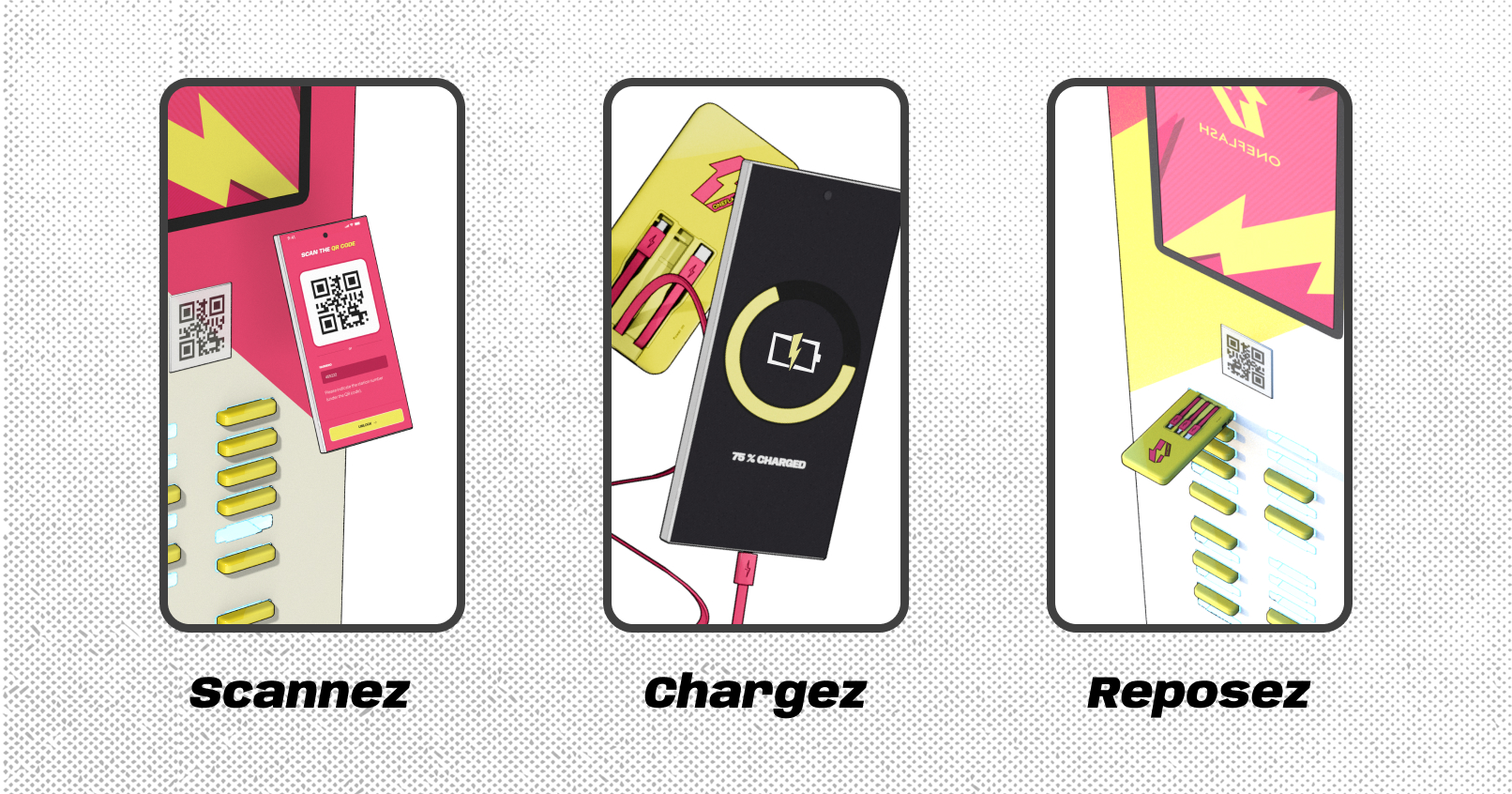
How do you rent a charging station? After selecting the provider and signing the contract, installation is scheduled. The provider installs the station, connects the power supply, and tests the charging process. They also provide instructions for use and monitoring.
Some companies offer mobile apps that allow you to monitor consumption, activate charging sessions, or receive alerts in case of issues.
Which apps can be used to rent out your charging station to individuals? Dedicated platforms connect station owners with users looking for charging points. They allow real time management of reservations, payments, and availability.
Maintenance and Servicing of Rented Charging Stations
The success of an electric charging service depends on equipment reliability. Regular maintenance ensures optimal performance and enhanced user safety.
Services Included in the Rental Contract
Most rental offers include preventive maintenance such as cable inspections, safety checks, software updates, and replacement of worn components. Regular monitoring extends the station’s lifespan and ensures consistent availability.
For mobile charging stations intended for smartphones, providers often handle battery replacement and connector cleaning.
Breakdown Management and Technical Support
Technical incidents may occur, whether related to software malfunction or power supply issues. A rental contract should include rapid technical support.
Reliable providers offer hotlines available at all times and teams capable of on site intervention when needed. This is particularly important for stations installed in public parking areas or commercial spaces where service interruptions are unacceptable.
For self service devices, quick replacement in case of malfunction helps prevent revenue loss.
Importance of Warranty and Regular Monitoring
Regular monitoring ensures compliance with safety standards and user satisfaction. Poorly maintained stations may cause overloads or charging interruptions, damaging the service’s reputation.
Warranties typically cover parts and labor throughout the contract duration. In addition, continuous monitoring makes it possible to adapt the service to market developments, such as increasing available power, adding new connectors, or installing additional stations in other parking spaces.

Comparison Between Renting and Buying a Charging Station
The question naturally arises whether it is better to rent or buy a charging station. Each option has advantages and disadvantages depending on the context.
Long Term Cost Analysis
Buying a charging station requires significant upfront investment. If you anticipate intensive use over several years, purchasing may prove cost effective since you eliminate monthly rental payments. However, this investment must be amortized. Installation, maintenance, and upgrade costs can accumulate quickly.
By contrast, renting distributes expenses over the contract period and typically includes replacement coverage. If the project ends or needs evolve, payments stop at the end of the contract without the need to resell outdated equipment.
Evaluation of Advantages and Disadvantages
Renting offers flexibility, fixed monthly costs, and regular technological updates. It is particularly suitable for businesses or local authorities wishing to test the service or gradually increase the number of stations.
Buying is more appropriate for organizations with stable traffic that can amortize the investment long term. It allows full customization and ownership of the equipment.
What are the benefits of offering self service phone charging? Providing self service charging enhances customer experience, increases time spent on site, and generates additional revenue. It also strengthens the company’s image as innovative and attentive to customer needs.
Ultimately, the choice between renting and buying depends on your business strategy, budget, and long term objectives.
Conclusion: Choosing a Solution That Fits Your Needs
Charging station rental stands out as a flexible and financially accessible solution to meet the growing energy demands of mobile devices and electric vehicles. It enables rapid deployment of modern charging services without heavy upfront investment, while allowing adaptation to technological evolution and benefiting from professional installation and maintenance support.
We have explored the benefits of renting, the steps for choosing a provider, contract details, maintenance considerations, and the comparison with purchasing.
It is now up to you to determine which solution best fits your situation. By making the right choice, you will contribute to the expansion of charging solutions and benefit from reliable and scalable infrastructure.
Discover OneFlash, Europe's leader on self-service mobile charging!