Power Bank for Mobile Devices: Complete Guide to Choosing the Right One
Modern devices, whether smartphones, tablets, or laptops, are always with us. Unfortunately, their battery life remains limited. That is why finding the right power bank for your phone has become a key concern for users. This guide covers the main selection criteria, highlights the importance of fast charging in charging station services, and emphasizes the safety of self service power banks. By following these recommendations, you can avoid unpleasant surprises and ensure optimal battery life for every device.
Choosing the Ideal Power Bank: In a Charging Station Service Context
Power bank station services allow users to rent or borrow a portable charger while on the move. However, given the wide range of models and needs, it can be difficult to choose the right one. This section helps you select the most suitable equipment.
Assessing the Required Capacity
Before any purchase or rental, it is essential to evaluate the battery capacity of the portable device you want to charge. Power bank capacity is expressed in mAh, or milliampere hours.
What does mAh mean on a battery? This unit measures the amount of energy available. The higher the mAh rating, the more charges the backup battery can provide. For example, a 10,000 mAh power bank can recharge a smartphone several times, while a 20,000 mAh battery is better suited for a tablet or laptop.
To determine the ideal capacity, multiply your smartphone or tablet battery capacity by the number of charges you want. How many charges can a 10000 mAh power bank provide? For a phone with a 3,000 mAh battery, a 10,000 mAh power bank can typically deliver two to three full charges, taking into account energy loss during voltage conversion. Also consider the weight of the battery. Higher capacity often means a heavier model, which may be inconvenient when traveling.
Comparing Available USB Port Types
Charging technologies continue to evolve. Most power banks offer one or more USB Type A or Type C ports. A USB Type A port works with most cables and ensures universal compatibility. USB C allows fast charging and higher power output, making it ideal for demanding devices such as laptops.
When choosing a power bank, check the number of outputs and the power rating of each port. A battery with multiple outputs can charge a phone and a tablet simultaneously. Some models support Power Delivery, known as PD, or Quick Charge technology, which provide significantly faster charging speeds. Using a high quality cable further reduces waiting time and improves the overall user experience.
Analyzing Device Compatibility
Compatibility is often overlooked but remains essential. What devices can be charged with a power bank? The answer is broad: Android smartphones, iPhones, tablets, wireless earbuds, cameras, handheld gaming consoles, and even certain laptops. However, not all models support fast charging for every device. Always check your phone, tablet, or laptop specifications. Some iPhones, for example, require a USB C PD port to benefit from accelerated charging, while some laptops require high output power, often above 45 W.
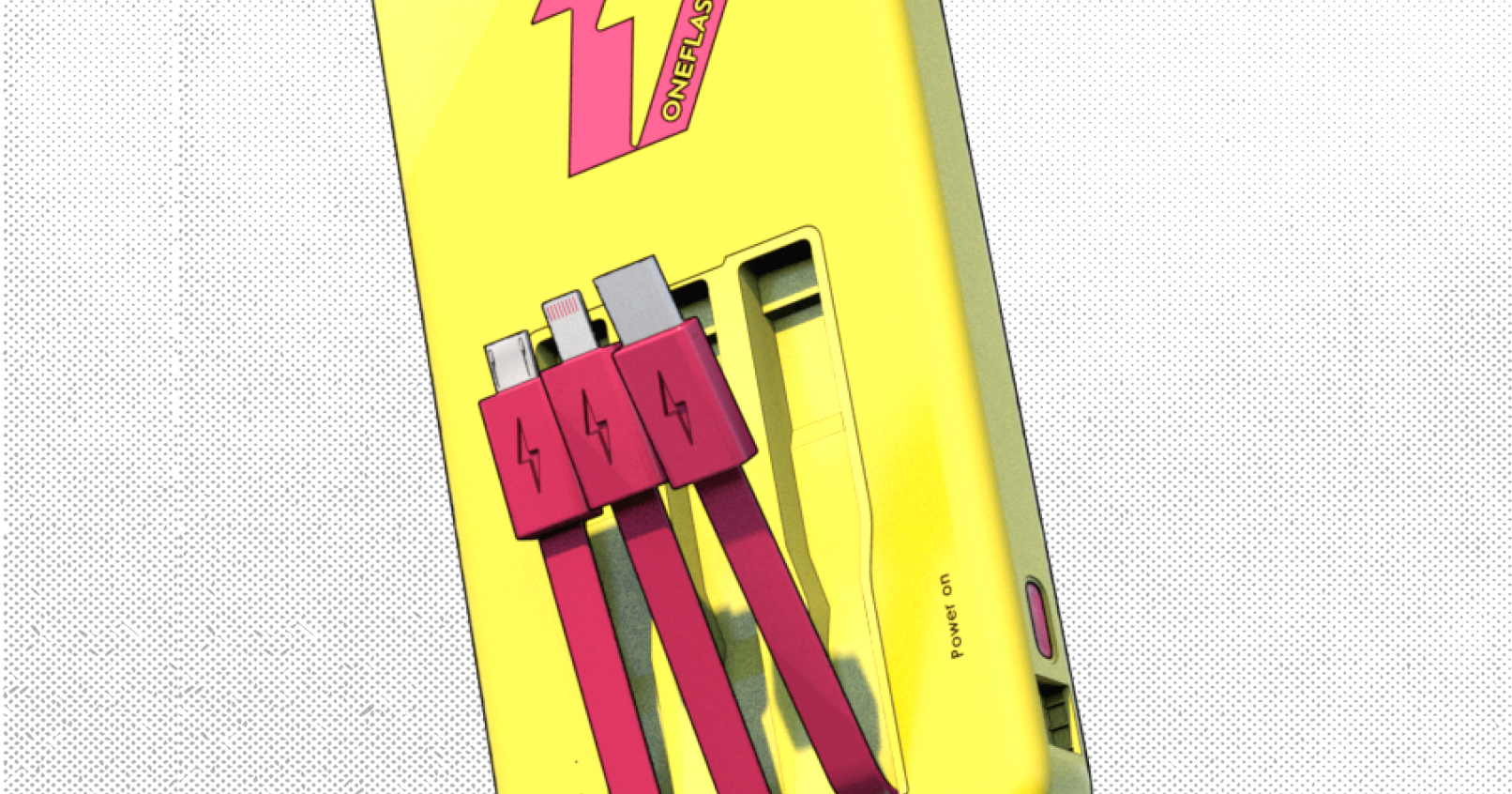
What devices can be charged with a power bank? It also depends on the cables used. Make sure you use the appropriate cable in good condition to ensure stable current. In a charging station service, stations should provide different cable types, including Lightning for iPhone, USB C, and micro USB, to meet all needs. For tablets and laptops, ensure the USB C port delivers sufficient power.
Some users also ask: Is a power bank good for your phone? Yes, as long as it is high quality and compliant with standards. CE or RoHS certified backup batteries provide stable voltage and protection against overcharging. They can even extend your internal battery lifespan by preventing it from fully discharging too often. Learn more about our stations here.
The Importance of Fast Charging in a Charging Station Service
A self service power bank station must offer an immediate solution for users in a hurry. Charging speed is therefore central to the experience. In high mobility environments such as shopping malls, events, restaurants, or hotels, users want to quickly regain access to a functional smartphone.
In a charging station service, fast charging relies on technologies such as Power Delivery or Quick Charge. These technologies adjust voltage and power intensity to enable rapid charging while maintaining safety. Power output is expressed in watts, abbreviated W. The higher the wattage, the shorter the charging time. Quality stations include regulation circuits that adapt voltage to device requirements, such as 5 V, 9 V, or 12 V, to prevent overheating.
How long does a power bank last? The answer depends on capacity and usage. A 10,000 mAh battery typically provides several additional hours of smartphone use, while a 20,000 mAh model can power a tablet throughout an entire workday. In a charging station service, it is recommended to choose batteries exceeding 10,000 mAh to meet common needs.
How long does a power bank last? For long distance travelers, a 30,000 mAh battery can power a lightweight laptop for several hours, making it useful during train or air travel. How long does a power bank last? For daily use, a 5,000 mAh model may be sufficient for end of day backup, especially if charging stations are easily accessible.
To optimize fast charging, prioritize wall outlets or stations equipped with sufficient power supply. Some power banks can recharge via wall socket or solar panel, but charging speed varies significantly. A phone power bank recharged with an 18 W adapter will fill up in a few hours, while charging through a USB A computer port will be slower. Fast charging allows users to gain maximum energy in minimum time.
Safety and Reliability of Self Service Power Banks
Beyond performance, safety remains a crucial factor, especially in public charging station services. This section outlines best practices and answers common questions.
Secure Power Bank
Are power banks safe to use? When certified and high quality, they are completely safe. Reputable manufacturers integrate protection systems against overheating, overvoltage, and overcharging. An internal circuit monitors energy levels and stops charging once the device is full, preserving internal battery health. Models with fire resistant casings provide better protection against impacts and high temperatures.
To ensure a secure power bank, choose products labeled CE, RoHS, and sometimes UL. These certifications indicate compliance with European electrical and environmental safety standards. Are power banks safe to use? Yes, provided you avoid cheap or counterfeit models that lack proper certification.
In a charging station service, the battery fleet must be regularly inspected. Operators should check USB port conditions, actual mAh capacity, and any casing deformation. Regular maintenance prevents incidents and ensures a positive user experience.
Reliable Charging Station
A reliable charging station is the backbone of a self service battery system. It must protect stored batteries, manage distribution and return of power banks, and ensure charging complies with manufacturer specifications. Integrated software monitors each battery’s status, remaining capacity, and triggers alerts in case of anomalies.
Reliability also depends on proper storage conditions. Stations should be installed away from humidity and extreme temperatures. Ventilation systems may be necessary to prevent overheating. Are power banks safe to use? Within a properly maintained station, they are. Users should still follow instructions, including avoiding water exposure and preventing damage.
Certified Charging Solution
Charging station services must provide certified charging solutions to reassure users. This involves using recognized battery brands and centralized management systems. Specialized companies supply tested, certified, and guaranteed modules that reduce the risk of incidents.
Users should also be informed about precautions: never open the casing, avoid using damaged cables, and respect recommended charging times. Thanks to connected stations, operators can monitor battery status in real time, anticipate replacements, and improve equipment lifespan. Are power banks safe to use? This question frequently arises because safety is a legitimate concern. By choosing certified charging solutions and following manufacturer recommendations, the answer remains yes.
Conclusion: Optimizing Your Device Battery Life
With the growing number of mobile devices and increasing demand for autonomy, choosing the right power bank is no longer a luxury but a necessity. This guide highlighted the importance of considering mAh capacity, USB port types, device compatibility, and equipment quality within a charging station service. We have seen that charging speed, station reliability, and power bank safety are essential for a successful experience.
By answering questions such as “What devices can be charged with a power bank?”, “How long does a power bank last?”, and “Are power banks safe to use?”, this article provides a comprehensive overview to help you make an informed choice.
To go further, explore our other articles on portable device charging and power bank innovations. You will find detailed advice and updated comparisons. A well chosen power bank allows you to fully enjoy your devices wherever you are, whether traveling, working, or attending an event.
Discover OneFlash, Europe's leader on self-service mobile charging!