Power banks for mobile devices: the complete guide
Modern devices, whether smartphones, tablets or laptops, go everywhere with us. Unfortunately, their battery life remains limited. That is why finding a suitable power bank for your phone has become a central topic for users. This guide covers the main selection criteria, puts the importance of fast charging in a station service into perspective and highlights the safety of self-service power banks. By following this advice, you will avoid unpleasant surprises and enjoy optimal battery life for every device.
Choosing the ideal power bank: within a station service
Power bank station services let you rent or borrow a power bank on the go. However, faced with the variety of models and needs, users can struggle to find their way. This section helps you select the most relevant equipment.
Assessing the capacity you need
Before any purchase or rental, it is essential to assess the battery capacity of the portable device you want to power. The capacity of a power bank is expressed in mAh (milliamp-hours). What does mAh mean on a battery? This unit measures the amount of energy available: the higher the number of mAh, the more charges the backup battery can provide. For example, a 10,000 mAh power bank can recharge a smartphone several times, while a 20,000 mAh battery is better suited to a tablet or a laptop.
To determine the ideal capacity, multiply the capacity of your smartphone or tablet by the number of charges you want. How many charges can a 10,000 mAh power bank provide? For a phone with a battery of around 3,000 mAh, a 10,000 mAh battery can deliver roughly two to three full charges, allowing for the energy losses caused by voltage conversion. Also consider the weight of the battery: a larger capacity often means a heavier model, which can be a problem when travelling.
Comparing the types of USB ports available
Charging technologies keep evolving. Most power banks offer one or more USB ports of type A or type C. A type A USB port suits most cables and offers universal compatibility. The USB-C port, for its part, allows fast charging and higher power, ideal for demanding devices such as laptops.
When choosing, check the number of outputs and the power of each output. A battery with several outputs can charge a phone and a tablet at the same time. In addition, some batteries support Power Delivery (PD) or Quick Charge technology, which offer much higher charging speeds. When you use a quality cable, fast charging considerably reduces waiting time and improves the user experience.
Analysing compatibility with devices
Compatibility is often overlooked, but it remains essential. Which devices can be charged with a power bank? The answer is broad: Android smartphones, iPhones, tablets, wireless earphones, cameras, portable game consoles, even some laptops. However, not all models are compatible with your device's fast charging. Check the specifications of the phone, tablet or laptop. Some iPhones, for example, require a USB-C PD port to benefit from accelerated charging, while some laptops require a high output power (often above 45 W).
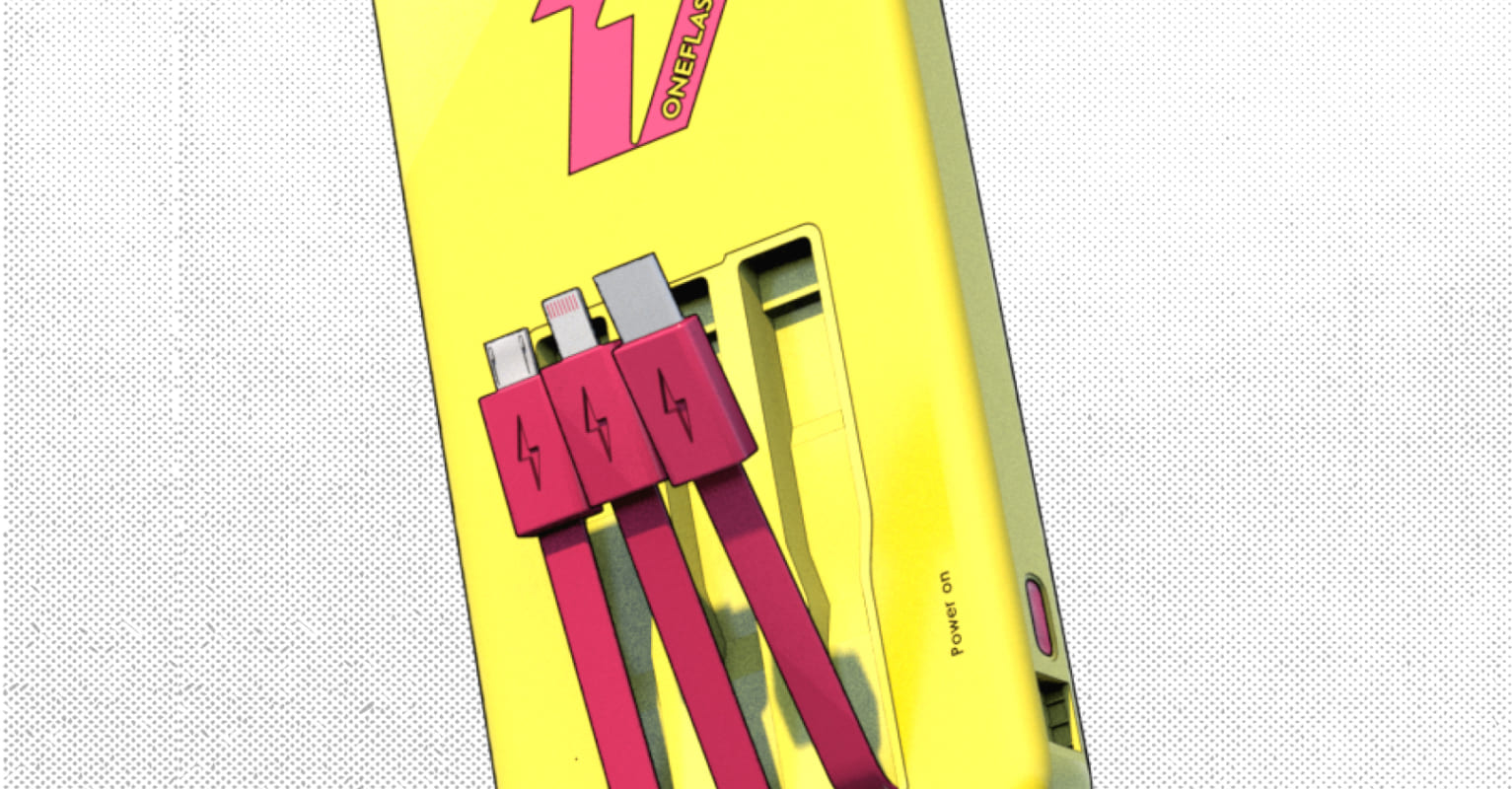
Which devices can be charged with a power bank? It also depends on the cables used: make sure you have a suitable cable in good condition to ensure a stable current. In a station service, the stations should offer different types of cables (Lightning for iPhone, USB-C and micro-USB) to meet every need. For tablets and laptops, make sure the USB-C port provides the necessary power.
Finally, some users ask: Is a power bank good for a phone? Yes, provided it is of good quality and meets the standards. Backup batteries certified CE or RoHS offer stable voltage and protection against overcharging. They can even extend the life of your internal battery by avoiding letting it discharge completely. Learn more about our stations here.
The importance of charging speed in a station service
A self-service power bank station service must offer an immediate solution to users in a hurry. Charging speed is therefore at the heart of the experience. In mobility contexts such as shopping centres, events, restaurants or hotels, the user wants to get a working smartphone back quickly.
In a station service, fast charging relies on technologies such as Power Delivery or Quick Charge. These technologies adjust the voltage and current of the power sent, allowing express charging while preserving safety. Available power is expressed in watts (W): the higher it is, the shorter the charging time. Quality stations have regulation circuits that adapt the voltage to the needs of the device (5 V, 9 V or 12 V) to avoid any overheating.
What is the battery life of a power bank? The answer varies according to capacity and use. A 10,000 mAh battery generally provides several extra hours of use for a smartphone, while a 20,000 mAh model can power a tablet for a whole working day. In a station service, it is recommended to choose batteries with a capacity above 10,000 mAh to meet the most common needs. What is the battery life of a power bank? The question also arises for long-haul travellers: a 30,000 mAh battery can power a light laptop for several hours, making it an asset on train or plane journeys. What is the battery life of a power bank? Finally, for everyday use, a 5,000 mAh model may be enough to bail you out at the end of the day, especially if you have accessible stations.
To optimise fast charging, favour wall sockets or stations with a mains socket offering sufficient power. Some power banks accept charging from a wall socket or a solar panel, but the speed differs greatly. A power bank for your phone recharged through an 18 W adaptor will fill up in a few hours, while charging from a computer via USB-A will be slower. Thanks to fast charging, users can get the maximum energy in minimum time.
Safety and reliability of self-service power banks
Beyond performance, safety remains a crucial criterion, particularly in a station service open to the public. This part covers good practice and answers frequent questions.
A safe power bank
Are power banks safe to use? When they are certified and of good quality, these batteries are perfectly safe. Read our article on the myths and realities about how dangerous a portable power bank is. Serious manufacturers build in protection systems against overheating, overvoltage and overcharging. An integrated circuit monitors the energy level and cuts the charge as soon as the device is full, which preserves the health of the internal battery. Models with a fire-retardant casing also offer better resistance to shocks and high temperatures.
To guarantee a safe power bank, favour products labelled CE, RoHS and sometimes UL. These standards indicate that the battery meets European standards for electrical and environmental safety. Are power banks safe to use? Yes, provided you avoid cheap or counterfeit models that lack these certifications.
In a station service, the fleet of power banks must be checked regularly. Operators must check the condition of the USB ports, the real capacity in mAh and any deformation of the casing. Regular maintenance prevents accidents and guarantees a positive experience for users.
A reliable charging station
A reliable charging station is the backbone of a self-service power bank service. It must protect the stored power banks, manage the distribution and return of power banks and provide charging in line with manufacturers' specifications. Integrated software monitors the condition of each battery and its remaining capacity, and triggers an alert in the event of an anomaly.
Reliability also depends on a suitable storage environment. Stations must be installed away from humidity and extreme temperatures. A ventilation system can be provided to prevent overheating. Are power banks safe to use? In the case of a properly maintained station, they are. Users must nonetheless follow the usage instructions, in particular not exposing the battery to water and not damaging it.
A certified charging solution
Station services must offer a certified charging solution to reassure users. This means using batteries from recognised brands and a centralised management system. Specialist companies supply tested, certified and guaranteed modules, reducing the risk of incidents.
In parallel, users should be informed of the precautions to take: never open the casing, avoid using a damaged cable and respect the recommended charging time. Thanks to connected stations, operators can monitor the condition of the batteries in real time, plan their replacement and improve the lifespan of the equipment. Are power banks safe to use? This question comes up often, because safety is rightly a concern. By choosing a certified charging solution and following the manufacturer's recommendations, the answer remains yes.
Conclusion: optimising the battery life of your devices
With the growing number of mobile devices and the increasing need for battery life, choosing the right power bank is no longer a luxury but a necessity. This guide has recalled the importance of considering capacity in mAh, the types of USB port, compatibility with the device to be charged and the quality of equipment in a station service. We have seen that charging speed, the reliability of stations and the safety of power banks are essential for a successful experience. By answering the questions “Which devices can be charged with a power bank?”, “What is the battery life of a power bank?” and “Are power banks safe to use?”, this article offers a complete overview to make an informed choice.
To go further, feel free to read our other articles on charging portable devices and innovations in power banks. You will find detailed advice and up-to-date comparisons. A well-chosen power bank will let you make the most of your devices wherever you are, whether travelling, at work or at an event.
Discover OneFlash, the European leader in self-service mobile charging!
Découvrez tout nos autres articles :
Self-service power banks: phone charging for bars and nightclubs

Standalone power bank station: phone charging at the restaurant
Customer loyalty in restaurants: bring guests back with phone charging
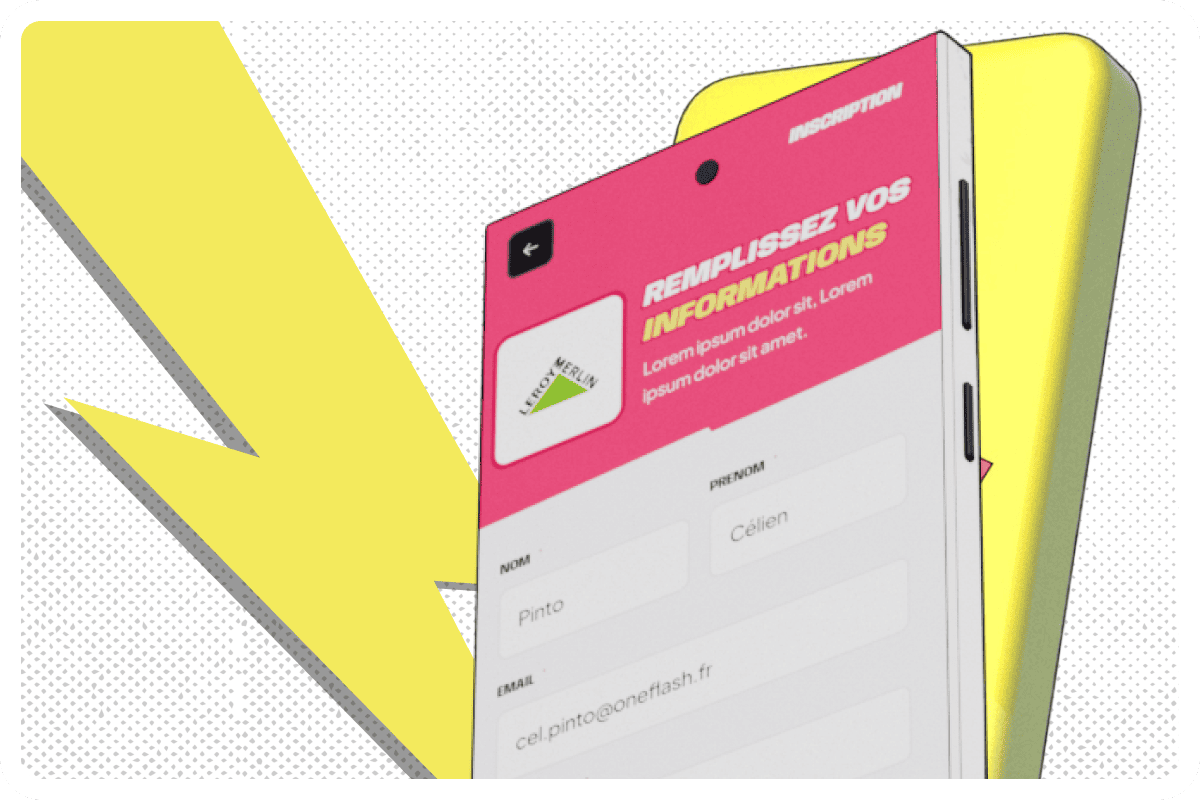
Customer knowledge: how to collect the right data
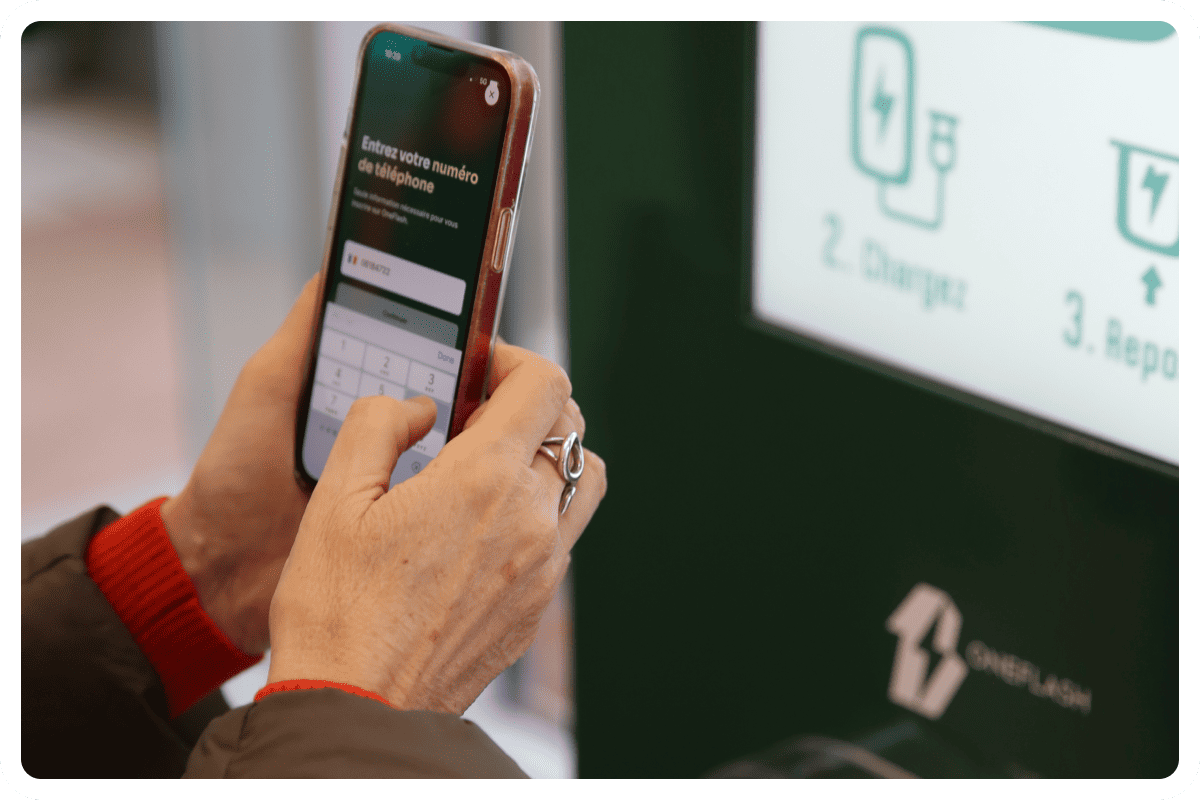
Marketing activation: turning every interaction into an engagement lever for your brand
.jpeg)
Phone lockers: the limits and the modern alternative
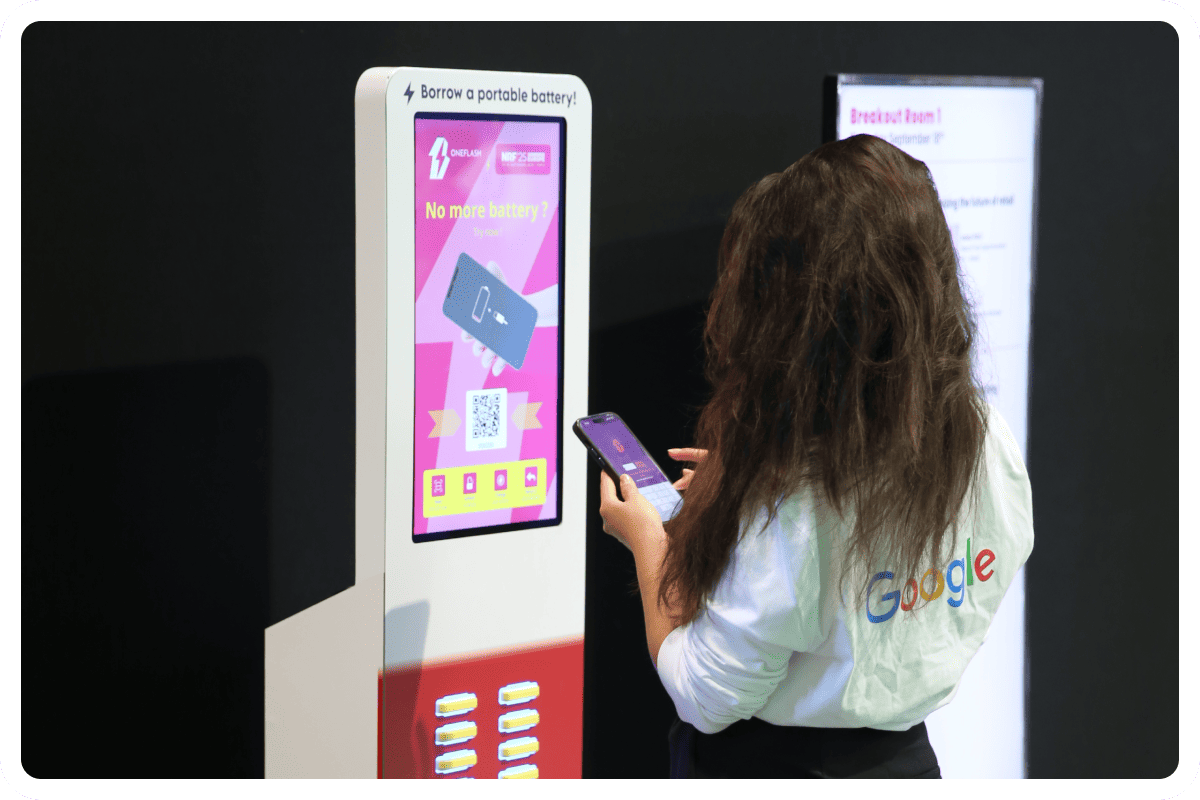
Charging stations in conference centres: equipping an event

Charging stations in theme parks: improving the visitor experience all day long
CSR approach: the mobile charging station, a concrete lever for businesses welcoming the public
Grégory Sion (Pierre & Vacances): Share Your Power - Episode 14
Sébastien Manceau (European Camping Group): Share Your Power - Episode 13
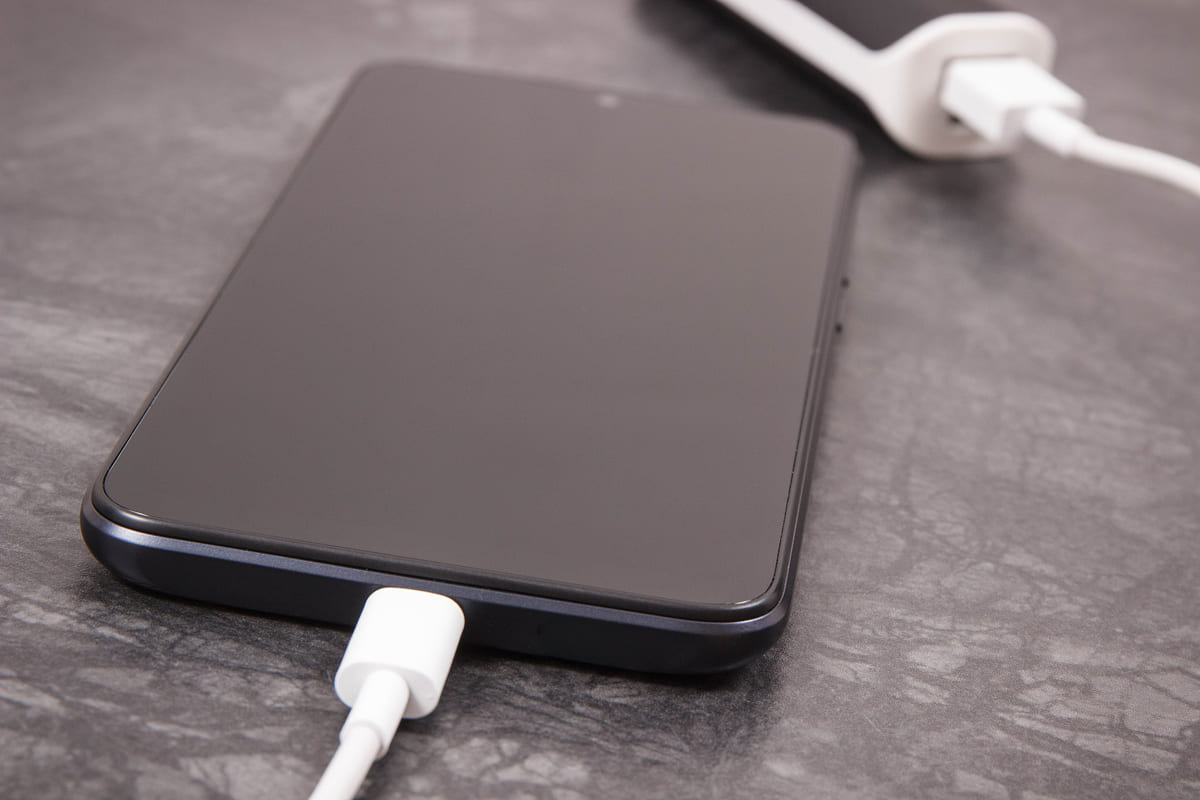
Mobile charging: every way to charge your phone easily

Dominique Thillaud (Compagnie des Alpes): Share Your Power - Episode 12
.jpeg)
Charging stations: the complete guide to choosing

Mike Hadjadj (La Retail Tech): Share Your Power - Episode 11
%2520(1).jpeg)
USB fast charging: the complete guide

Antoine de Tavernost (Auditoire): Share Your Power - Episode 10
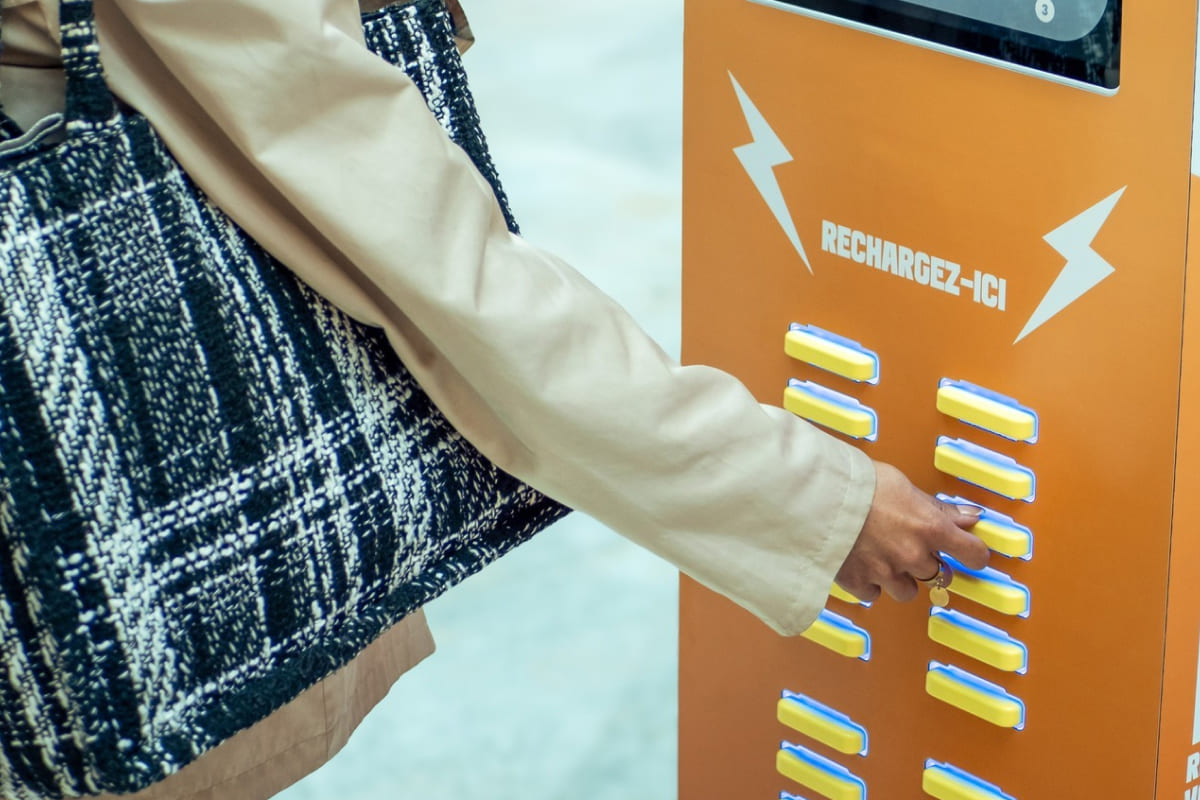
Charging station rental: the complete guide
Phone charging in public places: wall sockets
Ask Jamy! How does a power bank work?
In-store customer experience tools: the levers to activate

Are portable power banks dangerous?
The best power bank station services