Charging stations: the complete guide to choosing
Smartphones, wireless earbuds, smartwatches, tablets: our devices follow us everywhere and yet their battery life remains limited. For visitors to a shopping centre, travellers in a station or airport, spectators at an event or hospital patients, running out of battery in the middle of the day is a real constraint. Wall sockets are often saturated, badly placed or simply absent from busy venues. Self-service charging stations meet this need with a radically different logic: rent a pre-charged power bank for a few minutes or a few hours, carry on with your day freely, then return the equipment to any station in the network. This complete guide details the benefits of a modern charging station, the criteria for choosing a provider, and offers a comparison of the main players on the European market.
Why a self-service charging station has become indispensable day to day
The phone is no longer just a communication tool. It is a transport ticket, a means of payment, a professional tool and sometimes a passport. Guaranteeing its battery life on the move has become an almost physiological service for visitors and public venue operators alike.
Charging your devices without being tied to a socket
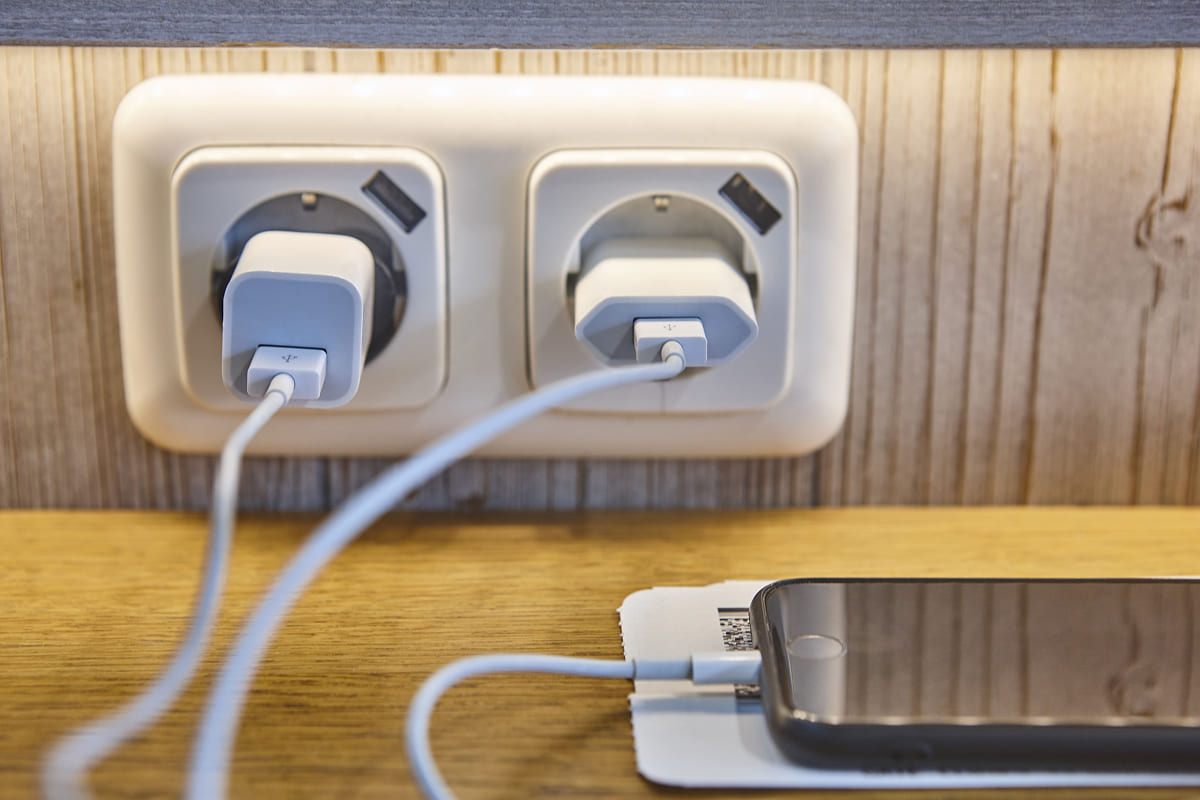
The main revolution brought by the self-service charging station is freedom of movement. Where a wall socket forces the user to stand next to it for thirty to sixty minutes, the station lets them borrow a portable power bank, slip it in their pocket and carry on with their visit, shopping or journey. The station becomes an entry point to a continuous experience, with no break in the journey, where the traditional socket generated waiting and frustration.
Avoiding the clutter of cables and personal chargers
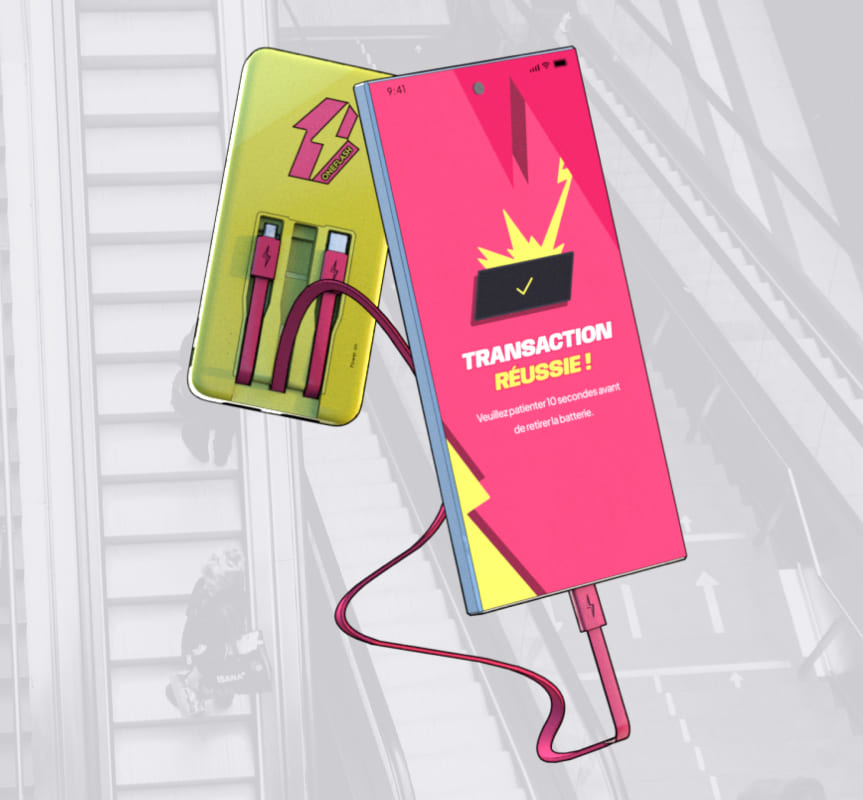
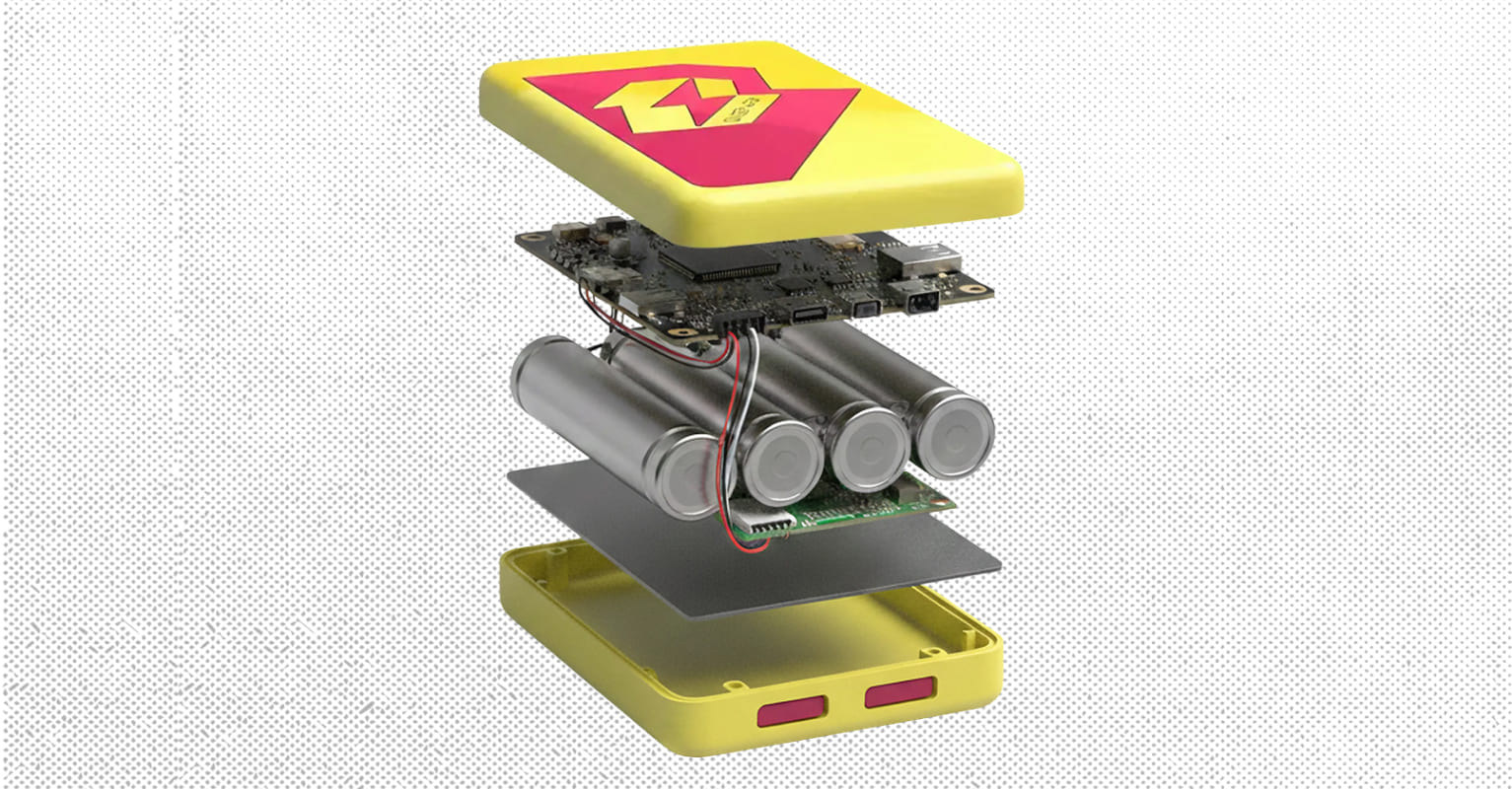
For the end user, the station removes the need to carry a USB charger and its mains adaptor around all the time. The power banks provided by the best services include the main cables compatible with smartphones on the market directly: USB Type-C, Lightning and micro USB. No complicated connection, no missing cable, no risk of forgetting. For the venue operator, installing a charging station also avoids the messy proliferation of sockets and cables in public areas, which improves the look and safety of the space.
Benefiting from charging speed optimised for your different devices
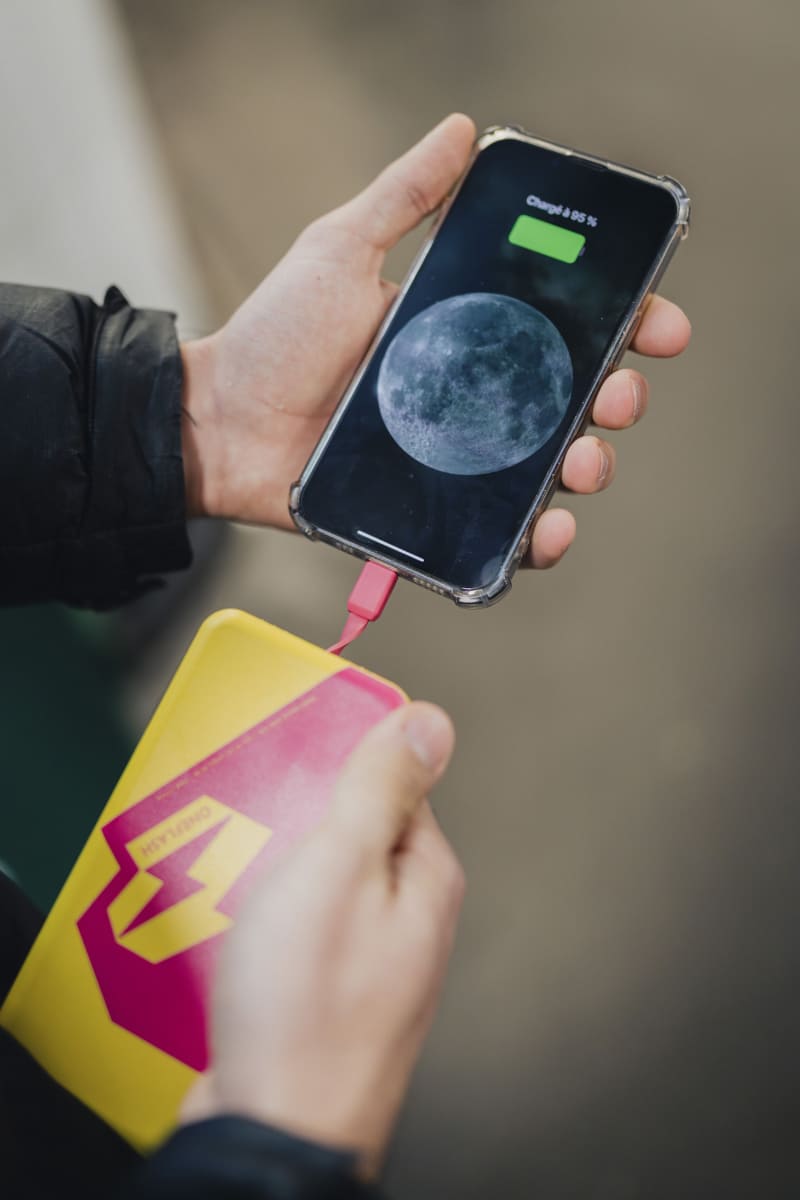
The portable power banks in professional stations are designed to offer fast charging from the first minute, with outputs typically between 10 and 22.5 watts. This power is more than enough to take a modern smartphone from 20 to 80 percent in under forty minutes, which covers the average length of a visit to a shopping centre or a wait in a station. The station thus becomes a genuine utility tool and no longer just an emergency fix.
%2520(1).jpeg)
How to choose a charging station that fits your needs?
Whether you are the operator of a venue open to the public or a user curious to understand the service better, several technical criteria should guide your reading of the market.
Compatibility with smartphones, tablets and other devices
Can a charging station be used for devices other than phones? Yes, provided the power bank has the right connectors and enough power. The most advanced models accept iPhones, Android smartphones, wireless earbuds, smartwatches, e-readers and even some tablets without distinction. This versatility is essential to meet the needs of every visitor profile without exception, particularly in venues where the public is very diverse such as airports or shopping centres.
Multi-port: the variety of connections available
What are the benefits of a multi-port charging station? A modern station offers several outputs at the same time to cover the whole mobile ecosystem. A USB Type-C port is now unavoidable for recent iPhones and high-end Android smartphones. The Lightning port remains essential for iPhones before the iPhone 15. Micro USB keeps its relevance for some older devices. This variety of connections guarantees that no visitor is left facing a service they cannot use, which is fundamental to offering an experience seen as reliable and universal.
Power, built-in technology and quality of the user experience
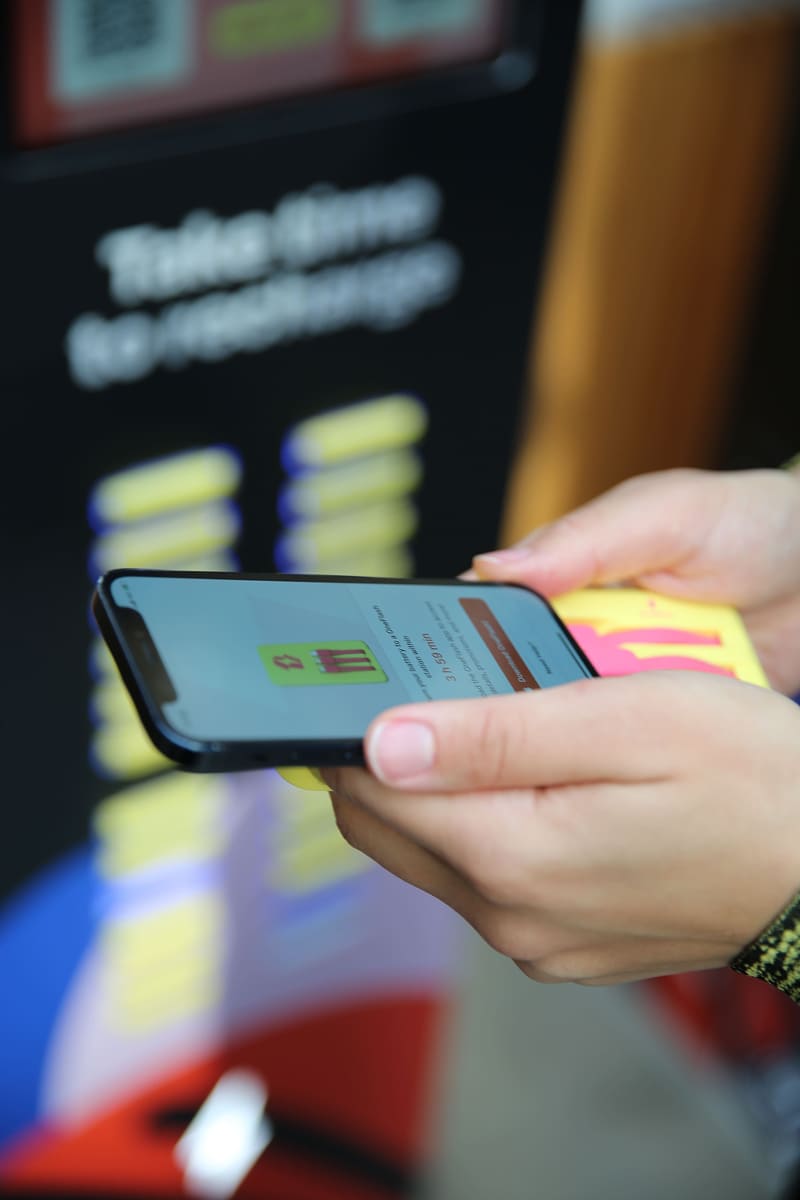
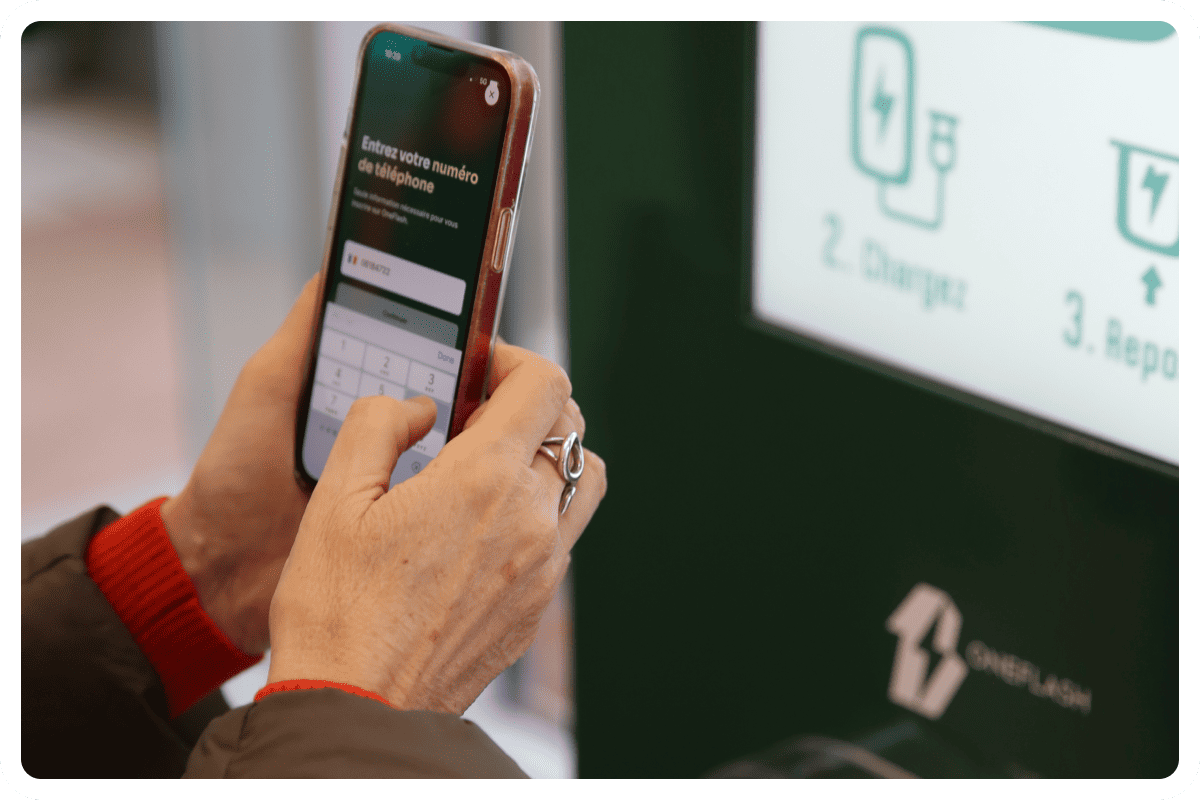
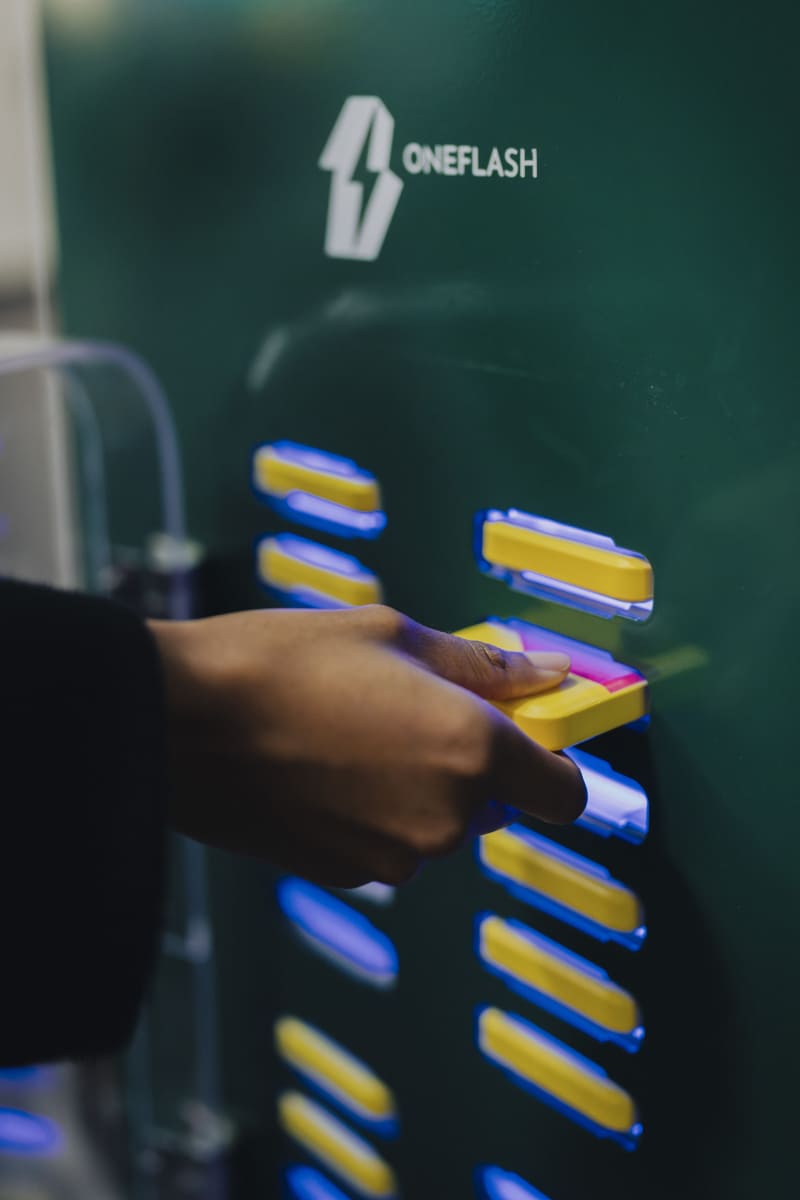
What are the features of a good wireless charging station? Beyond simple technical capacity, the user experience makes all the difference. An effective station offers unlocking in a few seconds via a QR code or a built-in payment terminal, with no long form or compulsory account creation. The best stations show a user rating above 4.5 out of 5 on the main review platforms, which is a reliable benchmark for judging the real quality of the service. Speed of pick-up and return, payment reliability and the real availability of power banks are the three indicators to watch first.
Comparison of the best power bank station services
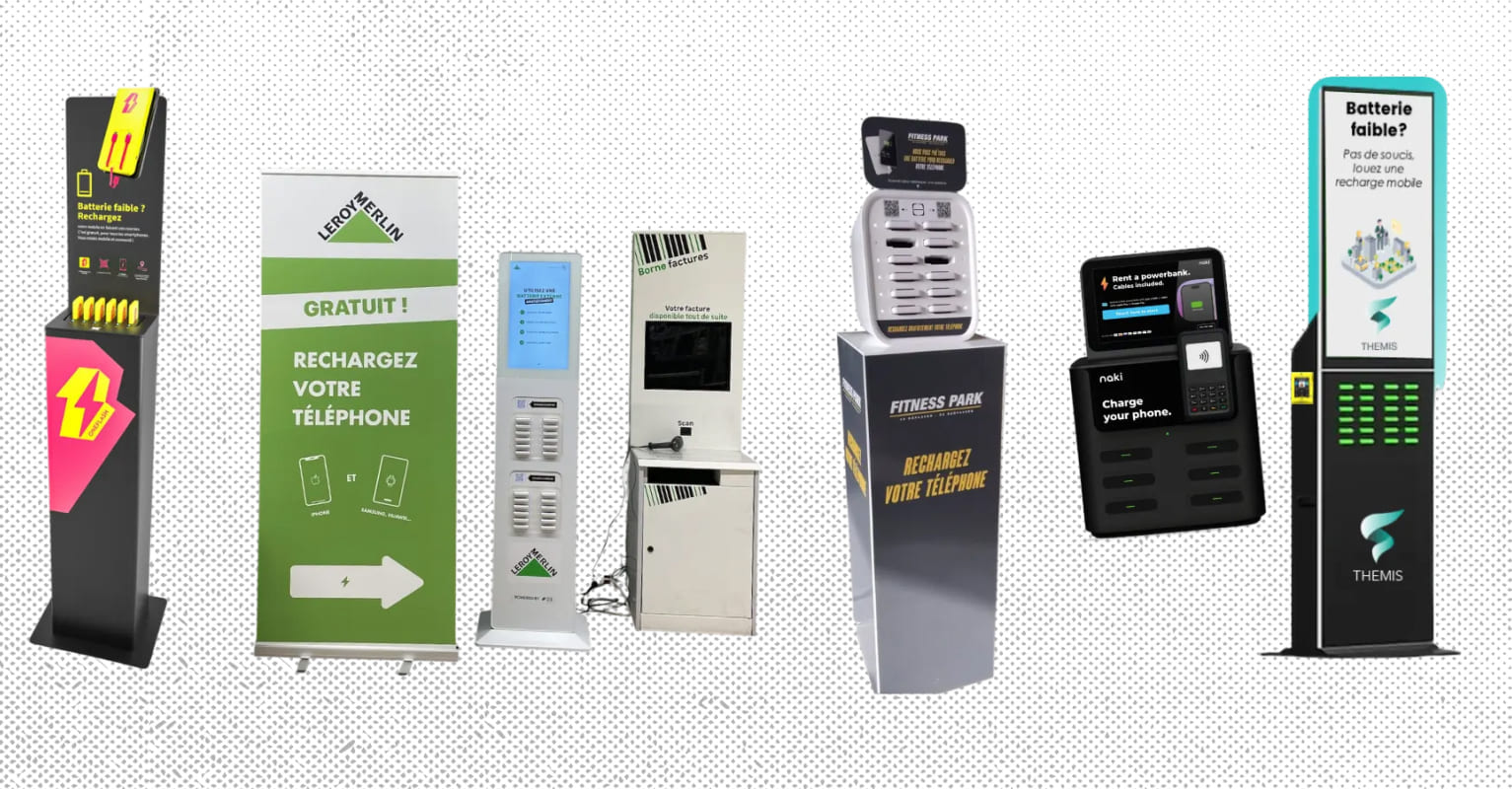
What is the best charging station? The answer depends on context, but the European market now has several identified players. Here is an objective overview of the main offers available. For a more detailed analysis, read our article on the best self-service mobile charging services!
OneFlash: the European reference for venues open to the public
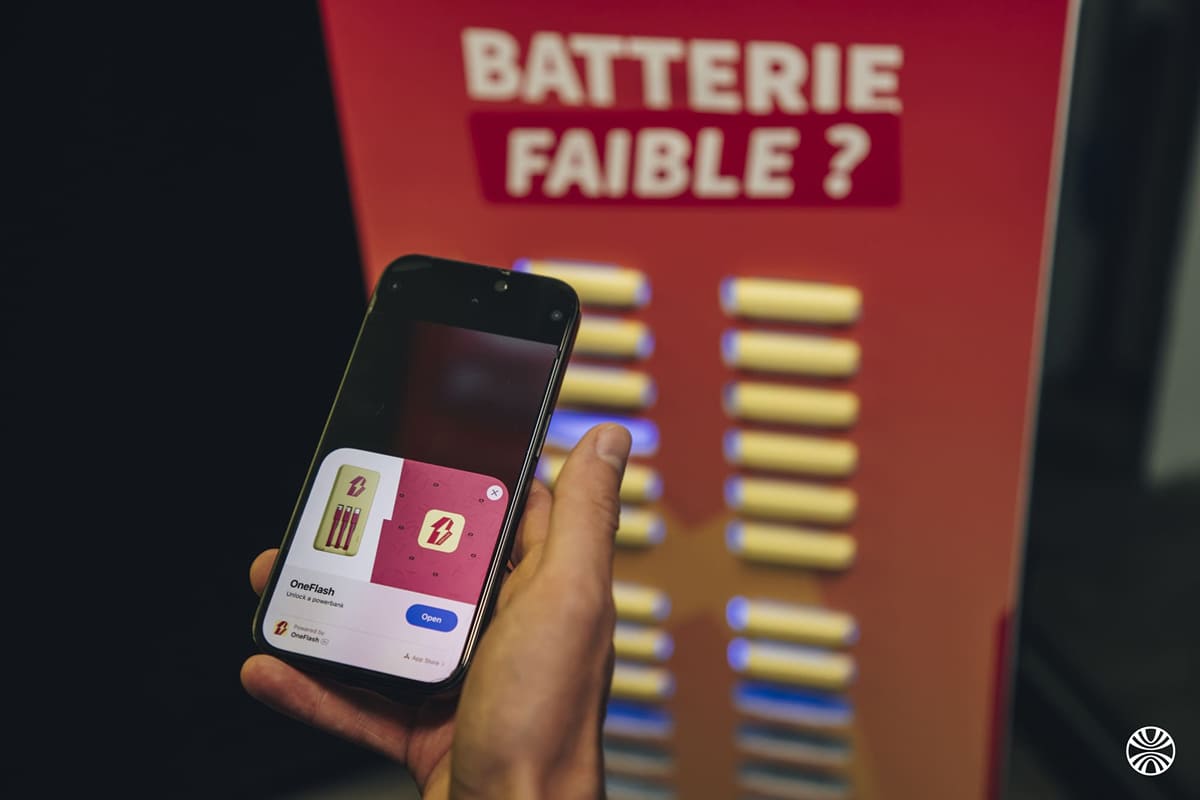
OneFlash stands out as the leading self-service mobile charging network in France and Europe, with more than 2,000 active stations, 1.2 million unique users and 3.2 million devices already charged. The service is designed primarily for shopping centres, retail brands, leisure venues and transport spaces. Unlocking takes a few seconds via QR code, and the power banks include all the cables compatible with the main smartphones on the market. OneFlash's strength rests on a resolutely B2B approach: multi-site deployment, performance tracking by point of sale, integration with existing CRM tools and dedicated long-term support. The user rating of 4.56 out of 5 in the app and 4.9 out of 5 on Google reflects the maturity of the service, now positioned as the most complete solution for running a genuine network of charging stations at scale.
Naki Power: a large European network aimed at consumers
Naki Power is one of the most visible networks in Europe, with a strong presence in bars and restaurants. The model rests on per-minute pricing via an app, which can quickly become expensive for a visitor who keeps the power bank for a long time. For a venue looking to offer the service as a customer benefit built into the journey, this more premium positioning can limit spontaneous use and fragment the experience.
Nono: a corporate player for large accounts
Nono relies on an institutional approach that reassures organisations used to the processes of large structures. The brand cites references such as the Caisse des Dépôts. The offer suits regulated environments particularly well, where the main issue is integration into a well-framed project. The absence of a dedicated app can, however, be a friction point when a visitor wants to locate an available station in advance, which limits spontaneous use in large public venues.
Keewai: an approach focused on experience and marketing
Keewai offers customisable stations with quick unlocking without an app, which makes access easier for occasional visitors and allows a few targeted communication scenarios. The station becomes a visual medium built into the brand's world. The flip side of this approach is that it lends itself more to one-off operations than to large-scale multi-site deployment, where the demands of centralised management, industrialised maintenance and consistent service quality quickly take precedence over the purely creative dimension.
Plug'Heur: a brand image solution
Plug'Heur offers stations customisable to the venue's image, with direct access via a web page and no app download. This simplicity maximises use among passing audiences. On the other hand, functional depth remains more limited on conditional access rules, segmentation of user journeys or fine measurement of indicators beyond basic usage, which can weigh in once the aim is to industrialise the service across a large fleet.
Peebeez and Themis: niche players
Peebeez and Themis complete the landscape with more regional, targeted positioning. Peebeez emphasises proximity and the security of the phone kept in sight. Themis promotes an environmental message aimed primarily at young urban audiences. These offers meet specific needs but lack the operational depth needed to equip a network of retail brands or a portfolio of shopping centres.
Tips for getting the most from a charging station
Beyond choosing the provider, a few good practices let you make full use of the service day to day.
Good practice for preserving your devices' battery
A station power bank behaves technically like a standard portable power bank. Avoid leaving your smartphone plugged into it once fully charged, and prefer a targeted charge to 80 percent, enough for most everyday uses. If you notice the power bank heating abnormally, unplug it and return it to the nearest station for automatic reporting to the maintenance service.
Day-to-day organisation tips
For users who depend on their smartphone all day, spotting available stations along their route in advance saves precious time. The main services have mobile apps or interactive maps that show power bank availability and the number of free slots for returns in real time. This anticipation turns a one-off service into a genuine habit, built naturally into the mobility routine.
Combining convenience and branding: why choose a customised charging station?
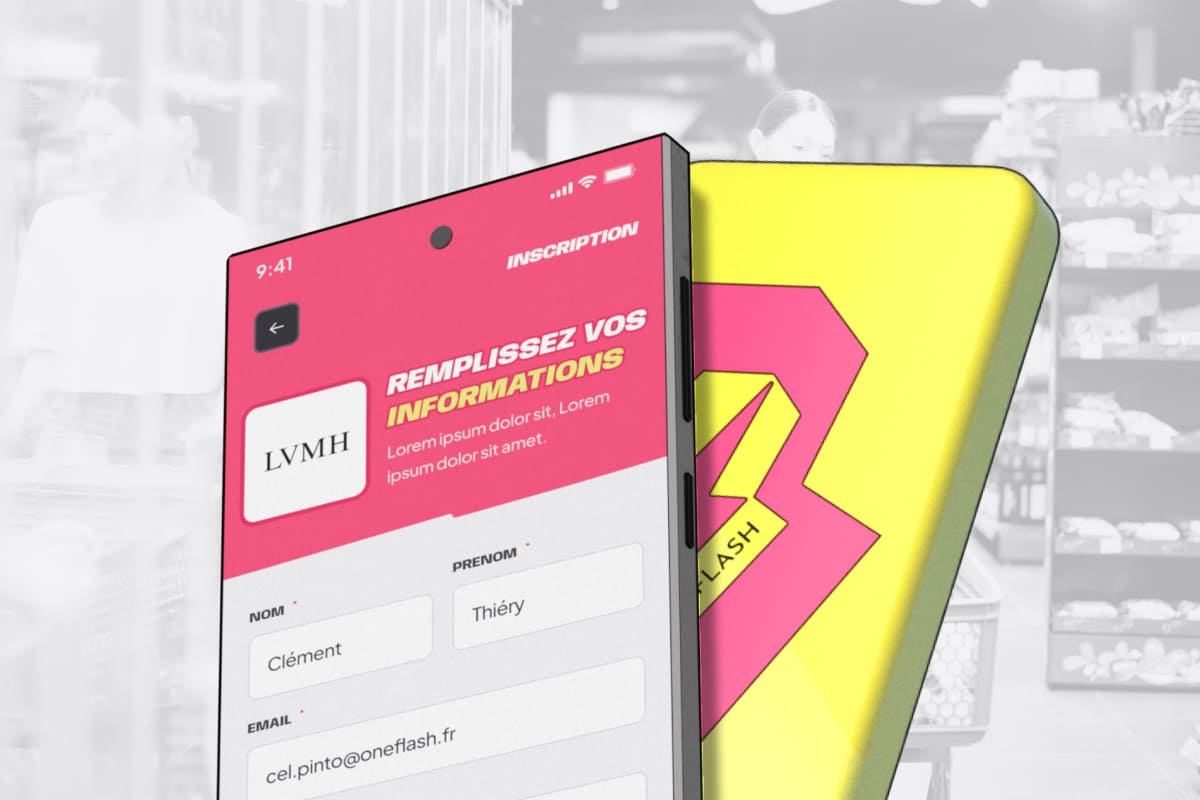
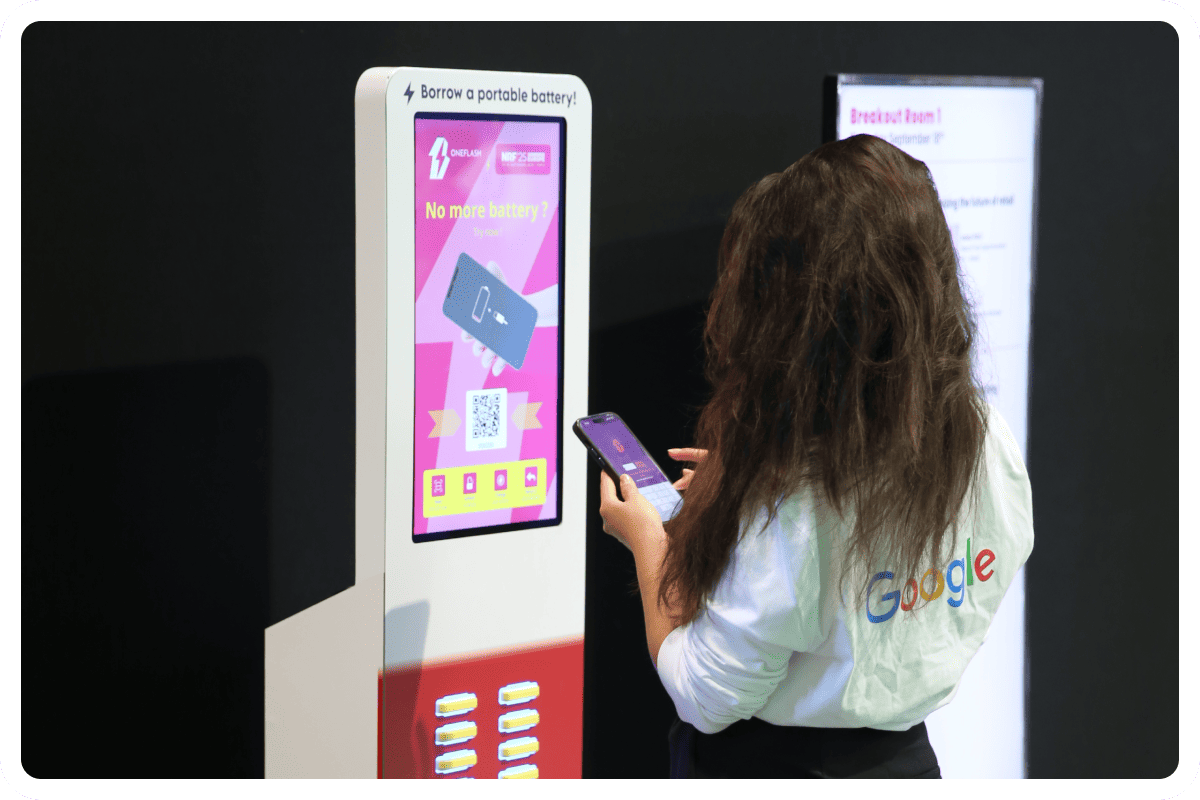
For operators of public venues, the self-service charging station is not limited to a utility service. It is gradually becoming a powerful branding tool and a genuine touchpoint with customers. The best solutions on the market allow full visual customisation of the station in the retailer's colours, as well as integration with existing loyalty programmes. Some stations go further by offering interactive touch screens able to relay marketing content, promotional offers or competitions throughout the charge. The visitor then turns a passive waiting moment into an active brand experience, which strengthens recall and loyalty. This lever is particularly valuable in sectors where competition is played out on the quality of the customer experience, such as retail, shopping centres or leisure venues.
Favouring certified products made from recycled materials
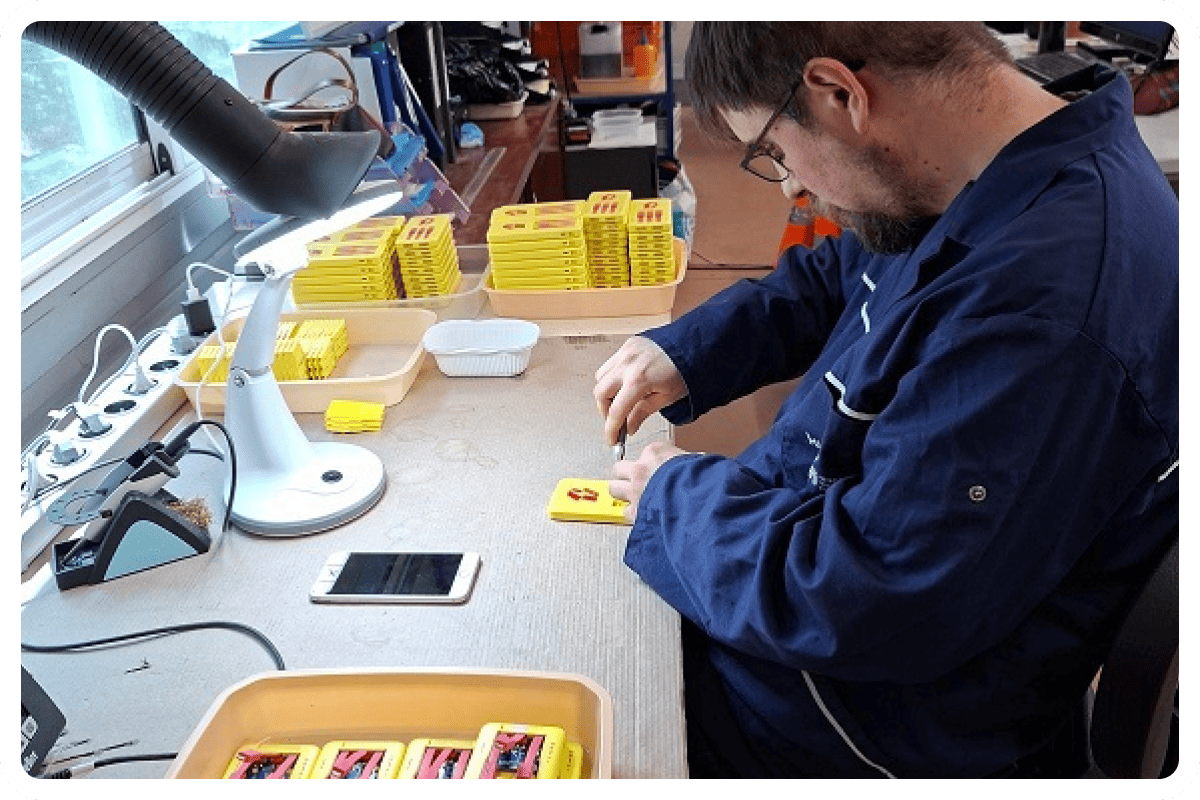
The environmental issue has become central in choosing a charging station provider. The most committed players use recycled materials in the manufacture of their stations and power banks, and follow a logic of pooling and refurbishment rather than disposability. The GRS standard, or Global Recycled Standard, is the most demanding independent reference in this area. For a product to be eligible for this certification, it must contain a minimum of 20 percent recycled material, whose origin is verified by an independent body at every stage of the supply and production chain. The standard also imposes strict social and environmental management requirements. Choosing a provider whose stations and power banks follow this logic lets the operator align its charging service with its own CSR commitments, and communicate to visitors about a coherent approach. Pooling power banks in a shared network also helps significantly reduce the environmental footprint linked to producing individual personal power banks, which is a strong argument for retailers mindful of their impact.
In summary
The self-service charging station has established itself as the most relevant solution for meeting the daily need to charge on the move, in public places as in commercial spaces. It frees the user from the constraint of the wall socket, simplifies organisation and offers a charging speed well suited to modern uses. To choose a provider well, look at multi-device compatibility, the variety of ports, the quality of the user experience, network coverage and the commitment to certified materials. On the European market, OneFlash stands out as the reference for venues open to the public, thanks to its network, its integrated B2B approach and its ability to turn the station into a lasting customer experience lever.
Discover OneFlash, the European leader in self-service mobile charging!
Découvrez tout nos autres articles :
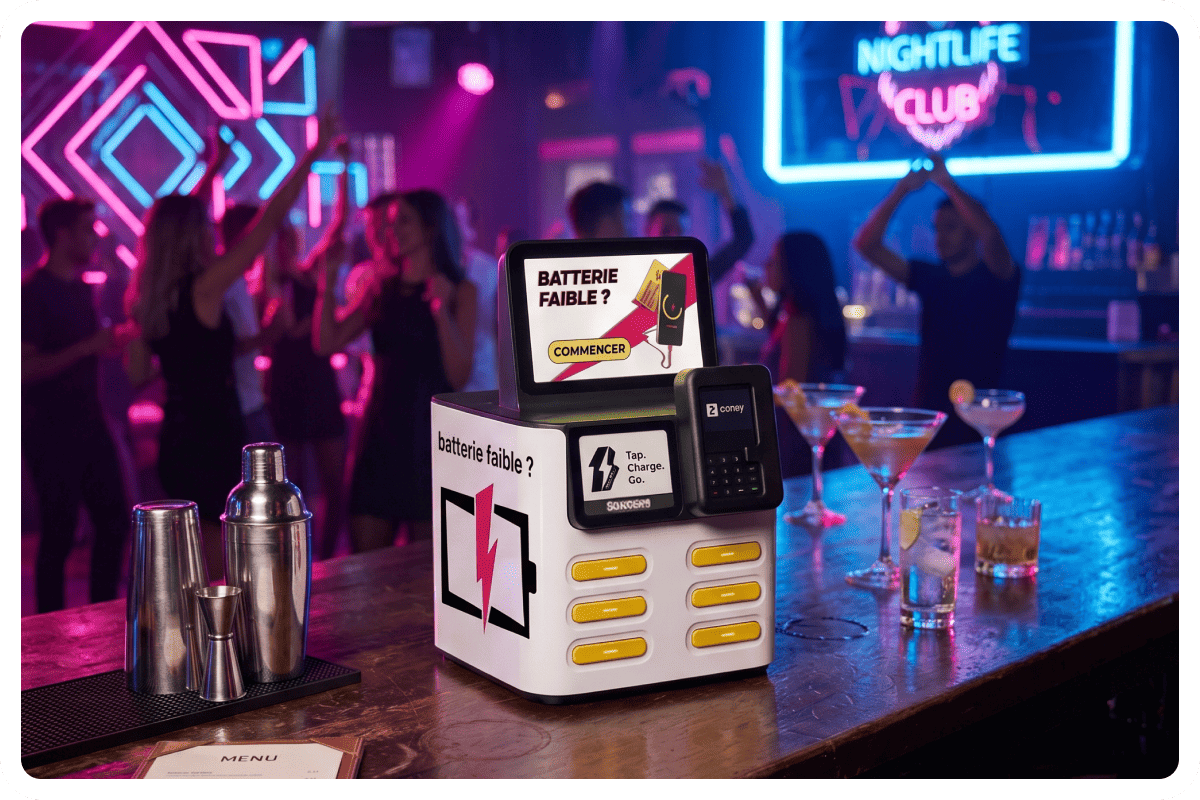
Self-service power banks: phone charging for bars and nightclubs
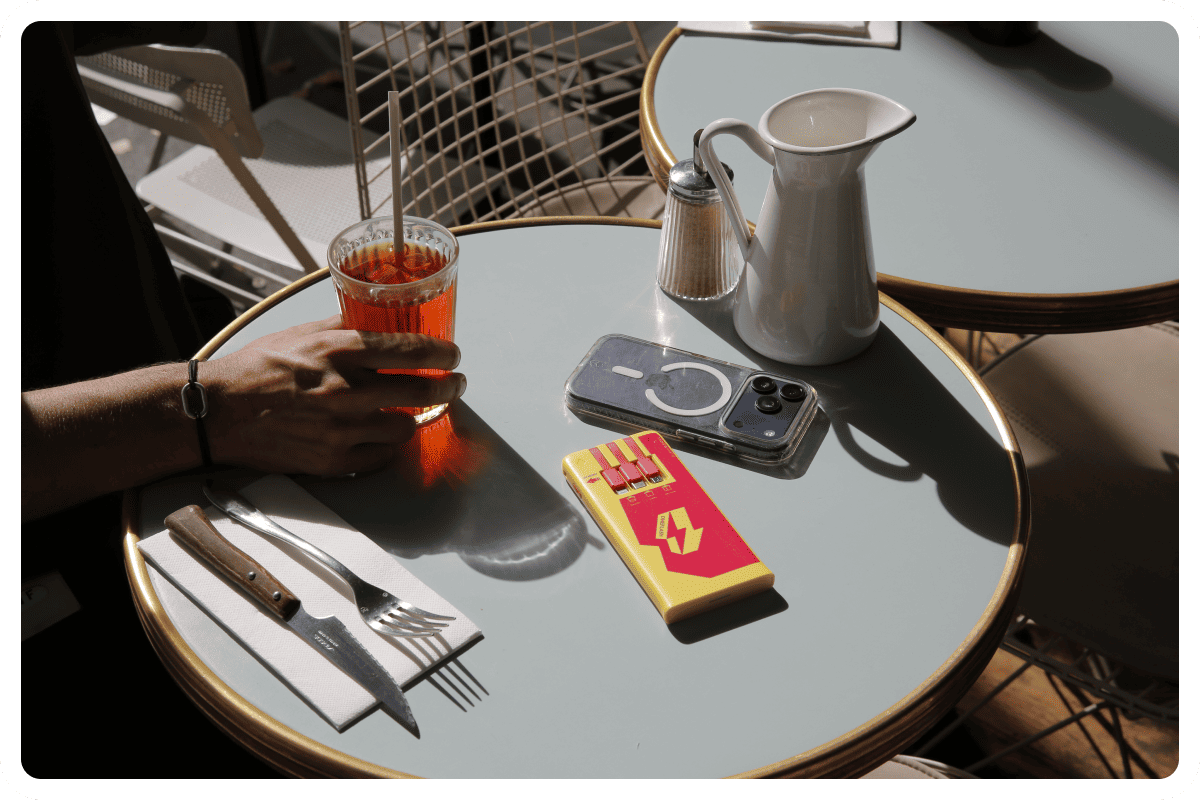
Standalone power bank station: phone charging at the restaurant
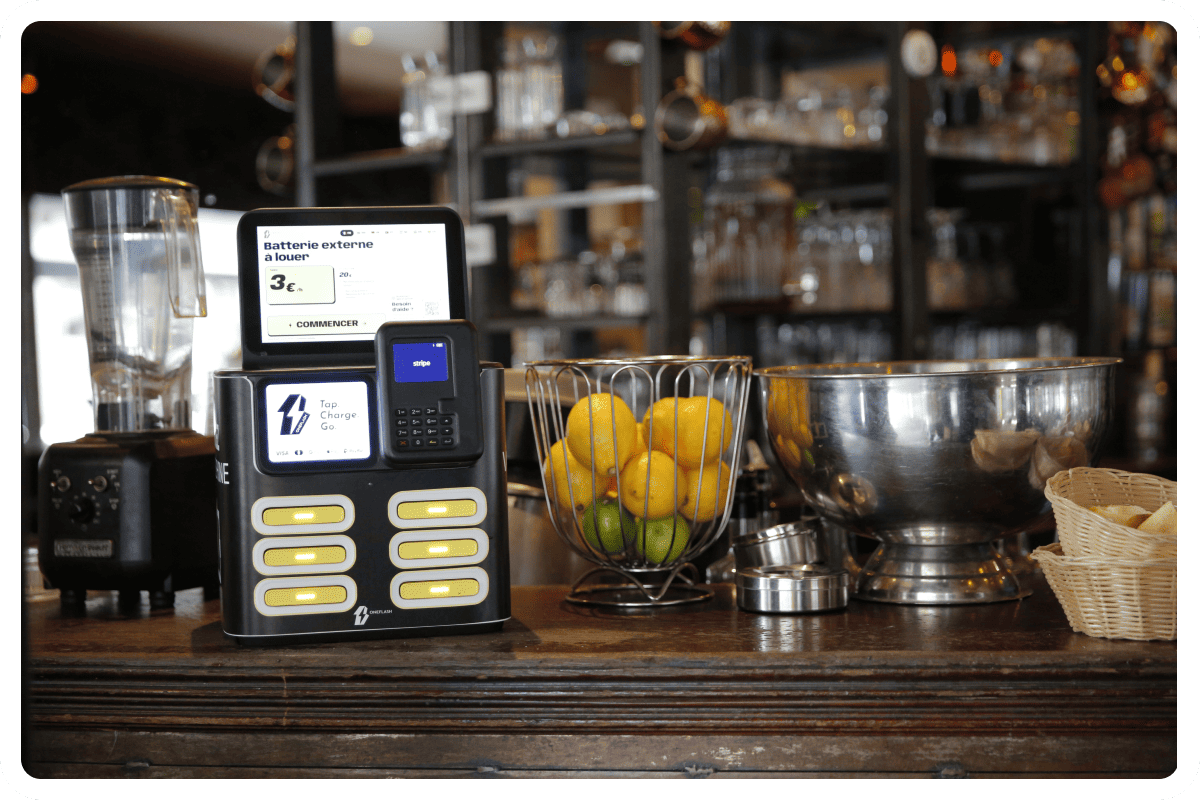
Customer loyalty in restaurants: bring guests back with phone charging
Customer knowledge: how to collect the right data
Marketing activation: turning every interaction into an engagement lever for your brand
.jpeg)
Phone lockers: the limits and the modern alternative
Charging stations in conference centres: equipping an event

Charging stations in theme parks: improving the visitor experience all day long
CSR approach: the mobile charging station, a concrete lever for businesses welcoming the public
Grégory Sion (Pierre & Vacances): Share Your Power - Episode 14
Sébastien Manceau (European Camping Group): Share Your Power - Episode 13
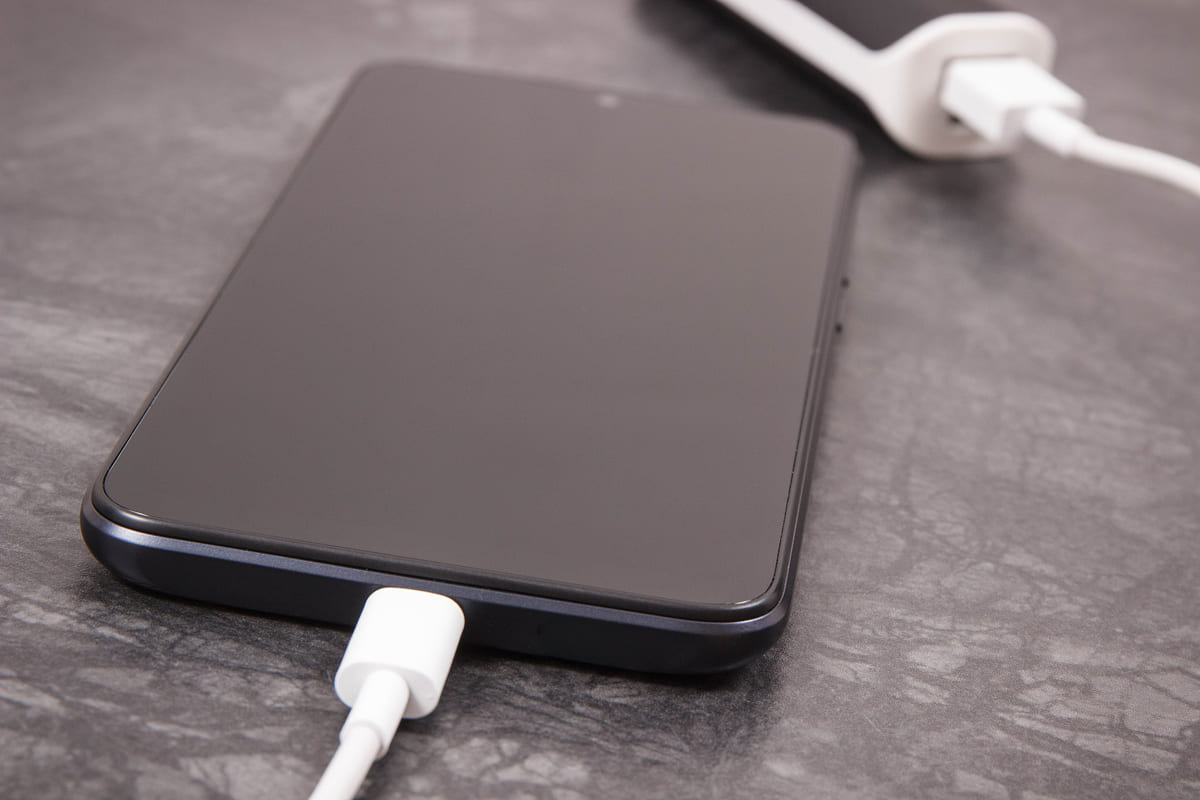
Mobile charging: every way to charge your phone easily
Dominique Thillaud (Compagnie des Alpes): Share Your Power - Episode 12
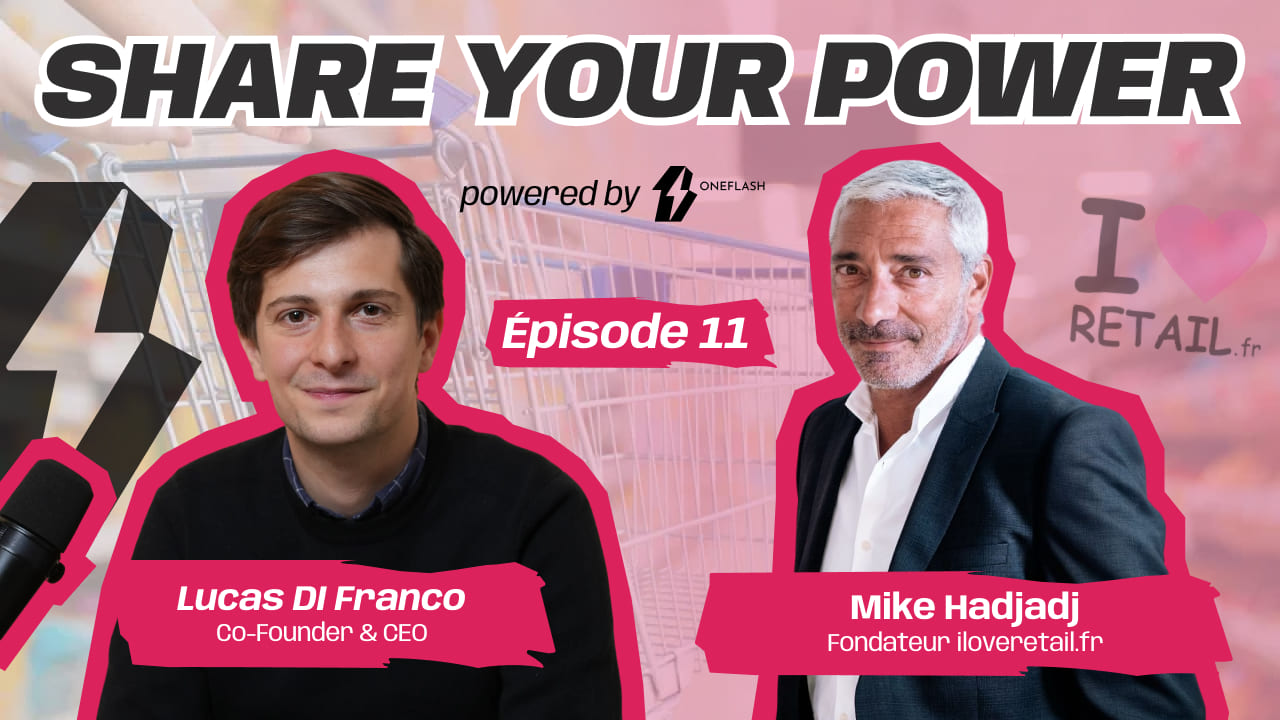
Mike Hadjadj (La Retail Tech): Share Your Power - Episode 11
%2520(1).jpeg)
USB fast charging: the complete guide
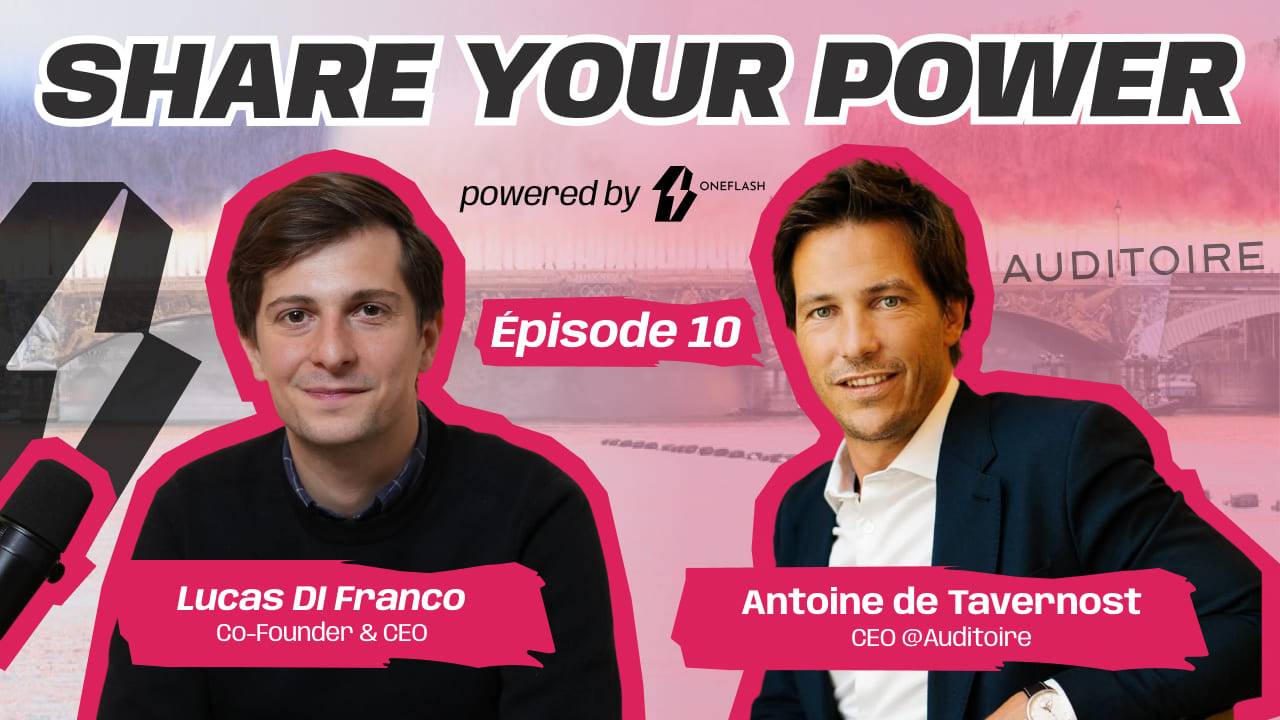
Antoine de Tavernost (Auditoire): Share Your Power - Episode 10
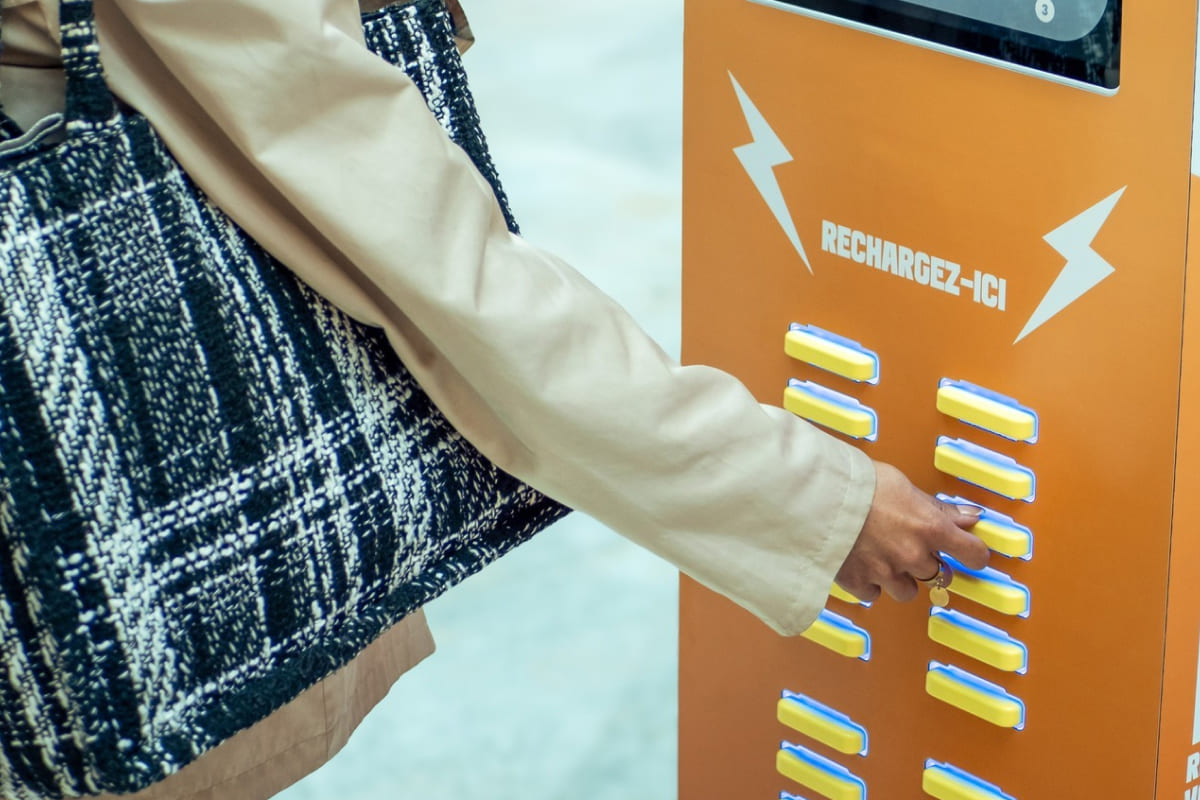
Charging station rental: the complete guide
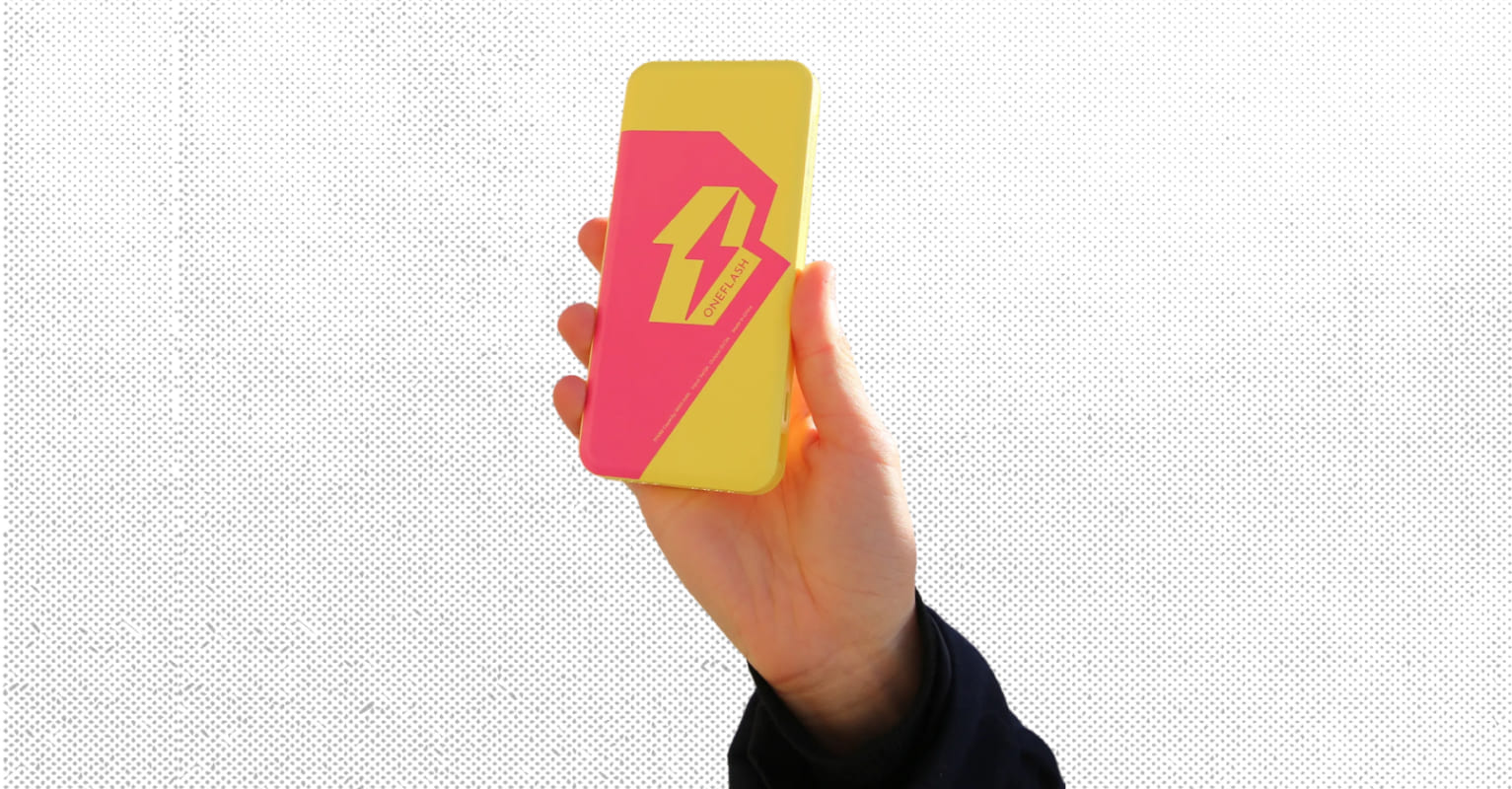
Power banks for mobile devices: the complete guide
Phone charging in public places: wall sockets
Ask Jamy! How does a power bank work?
In-store customer experience tools: the levers to activate

Are portable power banks dangerous?
The best power bank station services