Customer loyalty in restaurants: bring guests back with phone charging
Winning a new customer in a restaurant is expensive: advertising, visibility on booking platforms, launch offers. Getting them to come back costs far less, provided you give them good reasons to. Customer loyalty is therefore one of the most profitable levers in the restaurant trade, but also one of the hardest to activate, because competition is fierce and consumer habits change fast. Loyalty cards, rewards programmes, online reviews, social media: there is no shortage of tools. Yet there is one that few restaurateurs use, even though it meets a need every customer feels at least once a week: charging their phone. This guide presents the fundamentals of restaurant loyalty, then shows how a charging station can become a genuine lever for bringing your customers back.
Why is customer loyalty important for a restaurant?
Before talking about tools, it is worth understanding what loyalty really brings to a venue and why it deserves a strategy of its own.
A loyal customer costs less and brings in more
A returning customer no longer needs convincing. They know the menu, they trust the kitchen and they often order more, because they dare to try the dessert, the recommended wine or the dish of the day. A frequently cited Bain & Company study estimates that a 5% increase in retention can raise profits by 25% to 95%. The orders of magnitude vary by sector, but the logic is the same in restaurants: a loyal customer generates steadier, more predictable revenue, which helps manage purchasing, stock and staff scheduling better.
A loyal customer becomes your best ambassador
A loyal customer does more than come back. They recommend the venue to friends and family, leave positive reviews and bring new customers to the table. Word of mouth remains one of the first criteria for choosing a restaurant, and online reviews have multiplied its reach. Retaining customers is therefore also a way of attracting them: the two goals do not oppose each other, they feed each other. It is the best answer to the question many restaurateurs ask: how do you attract new customers while retaining existing ones?
The classic levers of customer loyalty
Restaurateurs have several proven tools. The loyalty card, paper or digital, rewards visit frequency with points, a free dish or a discount. A more elaborate loyalty programme offers tiers, exclusive perks or personalised rewards. Referral schemes turn customers into ambassadors. Online booking and email or SMS reminders maintain the link between two visits. Finally, social media lets you stay in touch with your customers and showcase new menu items. All these means have one thing in common: they go through the customer's phone. Discover the benefits of a loyalty programme.
Improving the customer experience with a phone charging station
Loyalty starts with the customer experience. A successful meal makes people want to come back, one unpleasant moment is enough to make them change address. Among the small irritants that spoil the experience, low battery is one of the most frequent and least addressed.
Meeting a real need during the meal
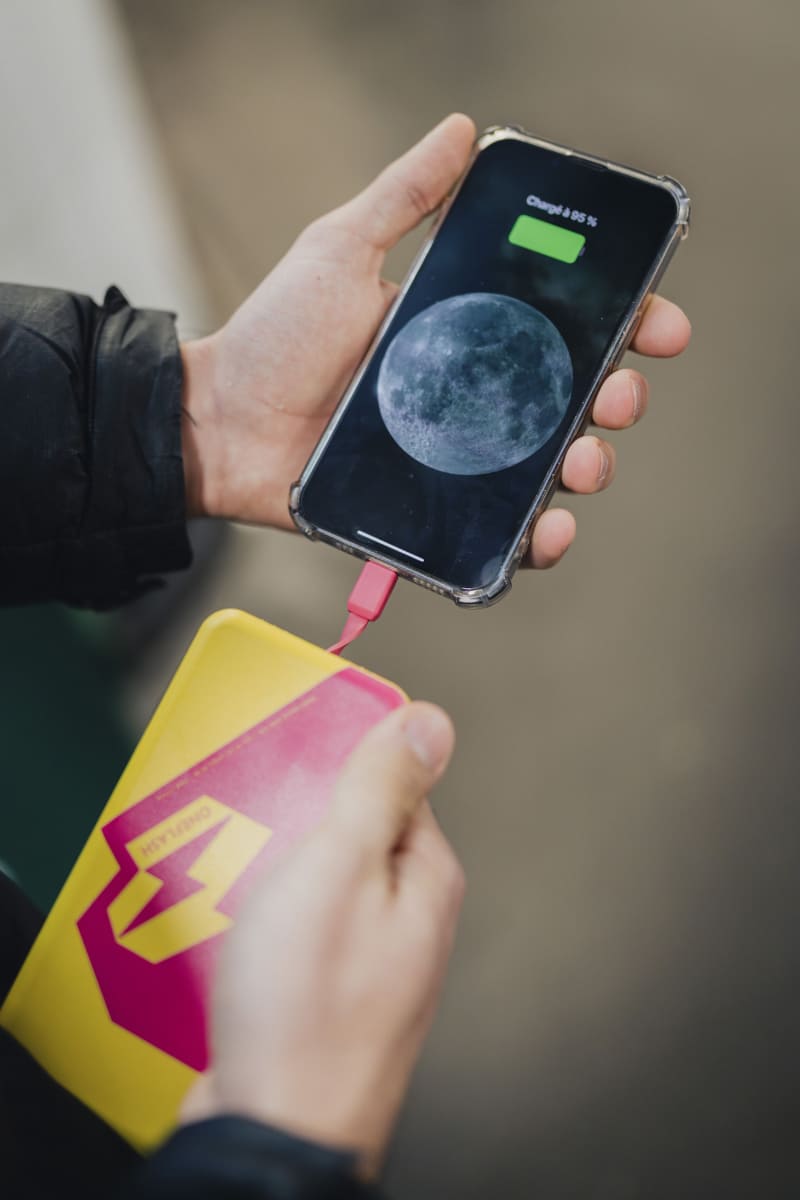
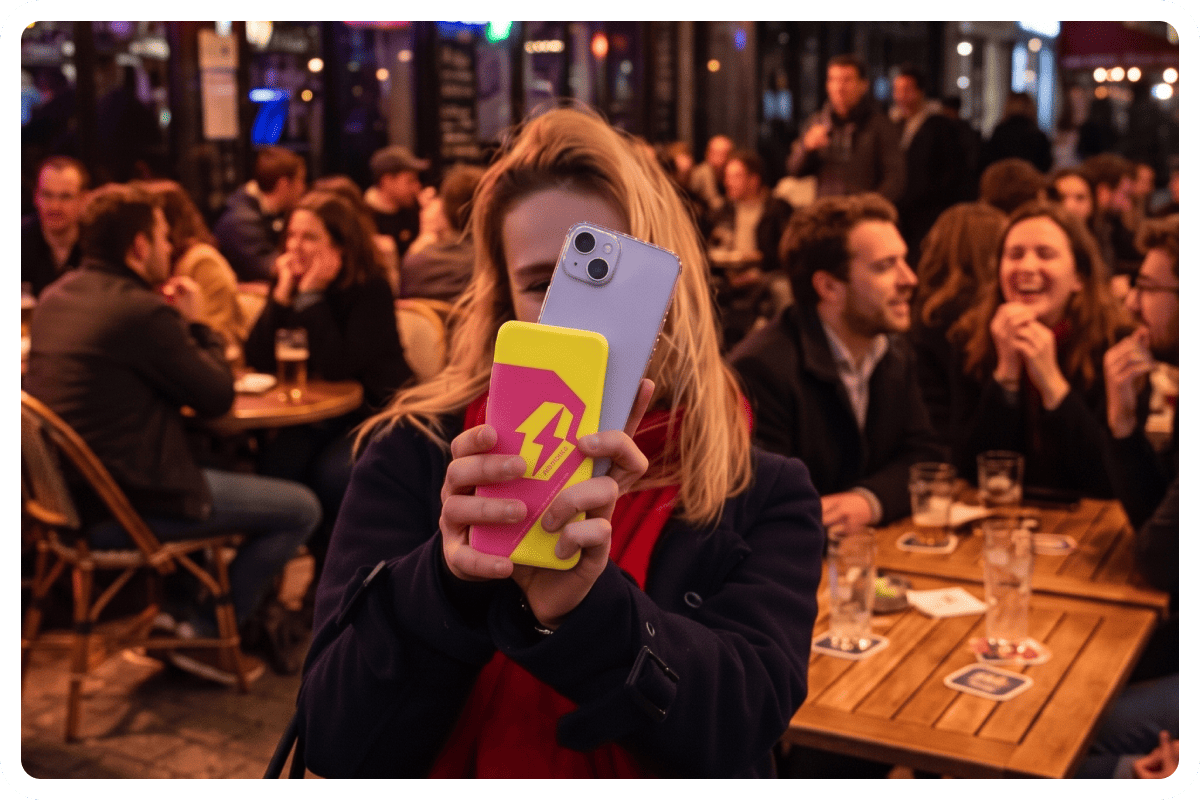
The phone now accompanies every stage of the meal. Customers use it to book a table, check the menu online via a QR code, pay the bill, share a photo of their dish, show their digital loyalty card or order a taxi on the way out. A dead smartphone blocks this whole journey. Yet a meal often lasts more than an hour, exactly the time needed to charge a phone. A charging station providing self-service power banks lets customers keep their phone with them, at the table, while it charges. The restaurant thus meets a real need at the very moment it arises.
Reducing the stress of a low or dead battery
Watching the battery drop below 10% causes real anxiety for many people. The customer becomes less present, glances at their screen, thinks about the journey home or the message they are waiting for. They sometimes cut their meal short to go and charge at home or at the office. Offering them an immediate solution completely changes their state of mind: they relax, enjoy their table and pay more attention to what they eat and the quality of the service. A calm customer is a more satisfied customer, and therefore more likely to return.
Offering a differentiating service that improves customer satisfaction
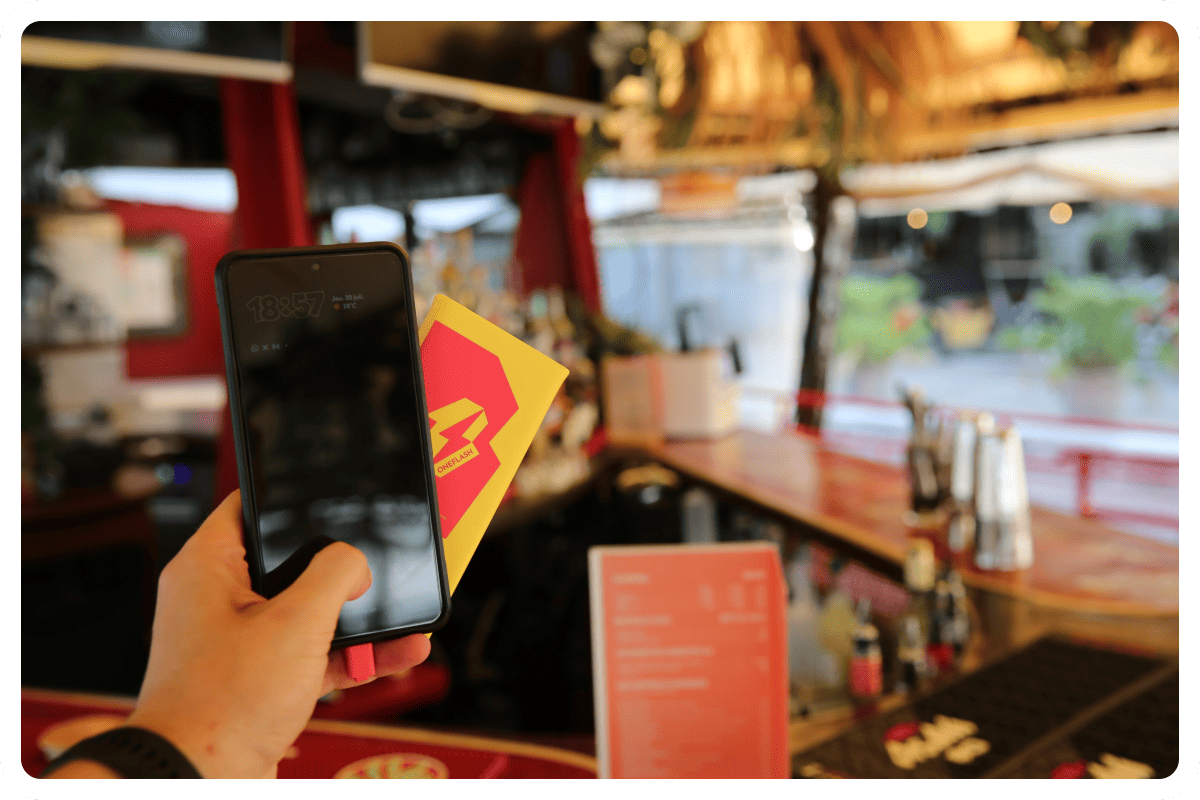
Most restaurants look alike when it comes to extra services: wifi, terrace, online booking. Phone charging remains rare, even though demand is high. Customers notice it, use it and talk about it. In venues that have one, the feedback points the same way. The manager of Circus Club Paris, which offers a OneFlash station to its customers, sums up the effect: “Our customers really appreciate this service”. This kind of small gesture contributes to overall satisfaction, just like the welcome or the speed of service.
Making phone charging a loyalty lever
A useful service only builds loyalty if it leaves a mark on the customer's mind. Phone charging can do this, because it touches a daily need and has a direct effect on behaviour during the visit.
Encouraging customers to stay longer in the restaurant
A customer who is charging their phone has no reason to leave quickly. They stay for coffee, order a dessert or extend their aperitif. Field data confirms this effect. At Les Terrasses du Port in Marseille, where four OneFlash stations are installed, notably near the food area, users of the service stay an hour longer on average and have an average basket 20% higher than other visitors. For a restaurant, this extra time translates directly into drinks, food and revenue. It also answers another key question for restaurateurs: which strategies work to increase spending by loyal customers? Read the Les Terrasses du Port case study.
Creating a memorable and useful service experience
You rarely remember the colour of the napkins, but you do remember the restaurant that saved your evening by charging your phone before an important appointment. The customer experience is also built on those moments when the venue anticipates a need. The charging station works entirely on its own: the customer scans a QR code, picks up a power bank fitted with USB-C, Lightning and Micro-USB cables, then brings it back on leaving. There is nothing to ask staff, which makes the service even more pleasant. The memory associated with the venue becomes that of an attentive, practical place.
Giving one more reason to come back
Loyalty rests on an accumulation of good reasons. The quality of the food and the welcome remains the first, but a practical service can tip the balance when choosing between two venues. The employee having lunch near the office, the regular working on a laptop or the tourist who relies on a smartphone to find their way all have a reason to return where they know they can charge their phone. The service becomes a concrete advantage on top of the food offer.
Building the charging station into the restaurant's loyalty strategy
To go further, the station should not remain an isolated service. It can be built into your existing loyalty tools and feed your knowledge of your customers.
Linking charging to a loyalty programme or customer perks
Several approaches are possible. You can offer charging free to members of your loyalty programme and charge other customers for it, which gives one more reason to sign up. You can also link a rental to a reward: an extra loyalty point, a free coffee after a certain number of visits or a discount on the next menu. The business model adapts to your strategy: charging can be paid for by the user, generally €2 to €3 per session, at no cost to the restaurant, or offered by the venue through a subscription from €150 a month. A hybrid formula combines the two. See the business models and pricing.
Using the charging service as a customer touchpoint
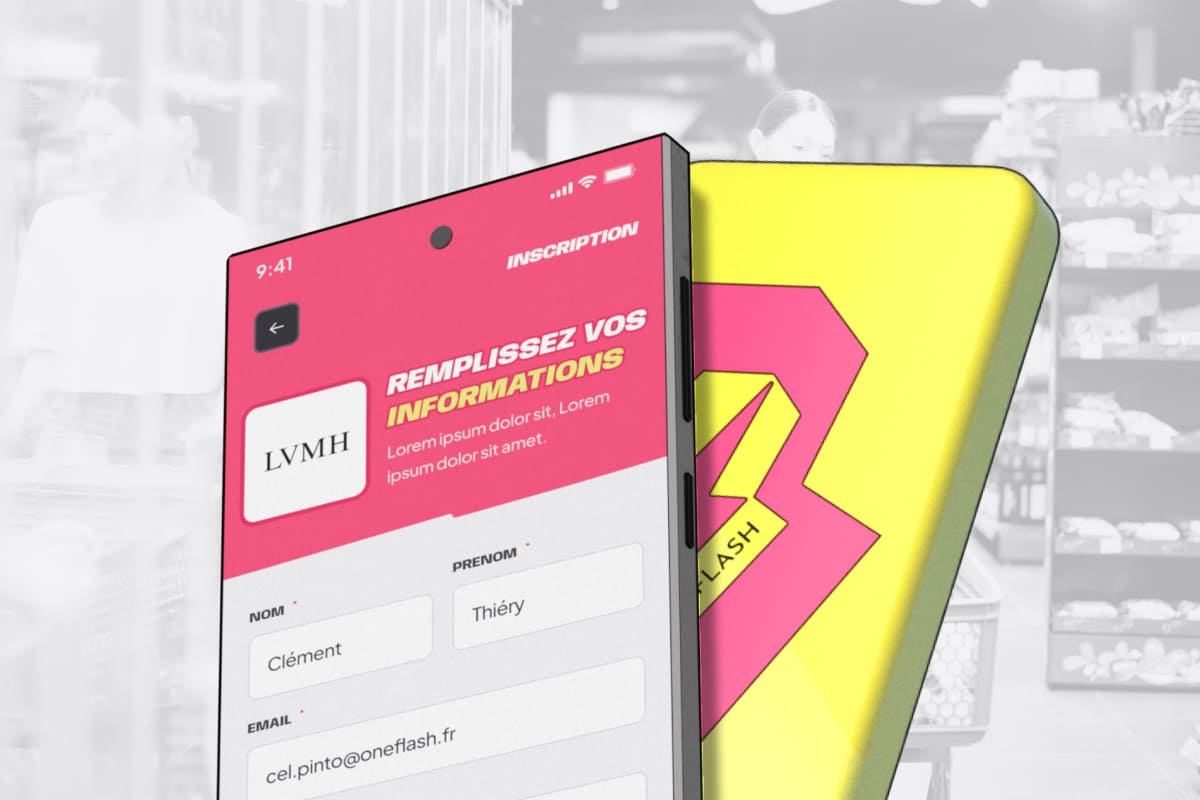
Each rental is an interaction with a customer, at a moment when they are available and grateful. It is a chance to invite them to join your loyalty programme, subscribe to your newsletter or follow your social media account. Models fitted with a screen also let you broadcast your offers: dish of the day, happy hour, themed evening or the launch of the seasonal menu. The station becomes a communication medium placed in the middle of the dining room, seen by every customer during their meal.
Collecting feedback and better understanding customer expectations
Charging can also be used to gather customer opinions, in the moment, during their visit. At Les Terrasses du Port, the stations helped collect more than 1,600 Google reviews. For a restaurant, whose online reputation weighs heavily in future customers' choices, this is a considerable lever. The dashboard linked to the station also provides valuable usage data: number of rentals, peak times, busiest days. Cross-referenced with your booking and till data, it helps you get to know your customers better and adjust your offers. Read our guide to customer knowledge.
Measuring the success of your customer loyalty
A loyalty strategy is only worth something if it produces measurable results. A few simple indicators let you track its effectiveness and adjust your actions.
What is the retention rate?
The retention rate measures the share of customers who come back over a given period. To calculate it, divide the number of customers who returned at least once during the period by the total number of customers identified at the start of it, then multiply by 100. In a restaurant, this measure requires being able to recognise customers, thanks to the loyalty card, online bookings or payment. This is one reason a well-adopted loyalty programme is so useful: it makes your customer base visible.
The key indicators to track
Beyond the retention rate, several indicators complete the analysis. Visit frequency shows how many times a customer returns per month or quarter. The average basket of loyal customers, compared with that of new ones, shows the value loyalty brings. The average rating and volume of online reviews reflect satisfaction. The sign-up and usage rate of the loyalty programme lets you check that rewards genuinely motivate customers. Finally, the charging station's usage data tells you when your customers most need this service and what effect it has on the length of their visit. Track these indicators over time and adapt your actions based on customer feedback.
Overcoming customer loyalty challenges
Many restaurants launch a loyalty card or rewards programme, then find that few customers use it. Identifying the obstacles helps you avoid these pitfalls.
Common obstacles to loyalty
The first obstacle is complexity. A loyalty programme that requires downloading an app, creating an account and remembering a password puts off a large part of the customer base. The second is the low perceived value of rewards: a customer who has to wait twenty visits for a free coffee quickly loses motivation. The third is forgetfulness: the paper card stays at home, the app is never opened. The fourth, often underestimated, is the dead phone at the moment of presenting the digital card or scanning the programme's QR code. Each of these obstacles costs you a chance to retain an otherwise satisfied customer. The right approach is to simplify sign-up, offer rewards that can be reached quickly and make sure every customer can use their smartphone during their visit.
Strengthening the restaurant's online reputation
Why is it important to look after your online reputation when running a restaurant? Because most customers check online reviews before choosing a table, and the rating shown on Google or on booking platforms directly influences the decision. A good reputation attracts new customers and reassures regulars about the venue's consistency. To build it, reply to every review, positive or negative, with a personal tone. Ask satisfied customers at the right moment, during or just after the meal, while the experience is still fresh. Show the behind-the-scenes of your kitchen and the new items on your menu on social media. Every loyal customer who leaves a positive review becomes a shop window for your venue, and that is where loyalty and acquisition meet.
Strengthening the restaurant's image with an innovative service
Loyalty is not only built through rewards. It also rests on the image customers have of the venue and their desire to be associated with it.
Modernising the experience offered to customers
Customers now expect a smooth experience, where digital makes every step easier without ever imposing itself. The charging station fits this logic: it is simple, quick and discreet. It shows that the restaurant understands its customers' habits and lives in the present. For a traditional brasserie as for a modern concept, it is a way of modernising the experience without touching the identity of the place, especially as the colour of the station can be chosen to blend in with the decor.
Standing out from competing restaurants
On a street with several restaurants, or in a food court where the outlets sit side by side, standing out on the food alone becomes difficult. A service that competitors do not offer creates a concrete advantage, visible from the entrance. A customer who needs to charge their phone will naturally choose the venue that lets them, then come back if they had a good time. Discover our offer for restaurants and food courts.
Turning a practical service into a genuine advantage for image and loyalty
The strength of the charging station is that it combines an immediate benefit for the customer and a lasting benefit for the venue. The customer leaves with a charged phone and a good memory. The restaurant gains dwell time, sales, reviews and contacts for its loyalty programme. Installation takes a few hours, with a simple power socket and a built-in 4G connection, and maintenance is entirely handled by the provider. There is no extra workload for the teams, who stay focused on the dining room and the kitchen. Find out how a standalone power bank station works in a restaurant.
How can you boost customer loyalty in your restaurant?
Restaurant customer loyalty rests on a balance between the quality of the offer, the experience at the table and the tools that maintain the link between two visits. Loyalty cards, rewards programmes, online reviews and social media remain essential, but they all depend on the customer's phone. By offering a self-service charging station, you remove a very concrete obstacle, you extend the time spent in your venue and you create an extra touchpoint with your customers. It is a simple, appreciated and measurable service that turns a daily need into a reason to come back.
Discover OneFlash, the European leader in self-service mobile charging!
Découvrez tout nos autres articles :
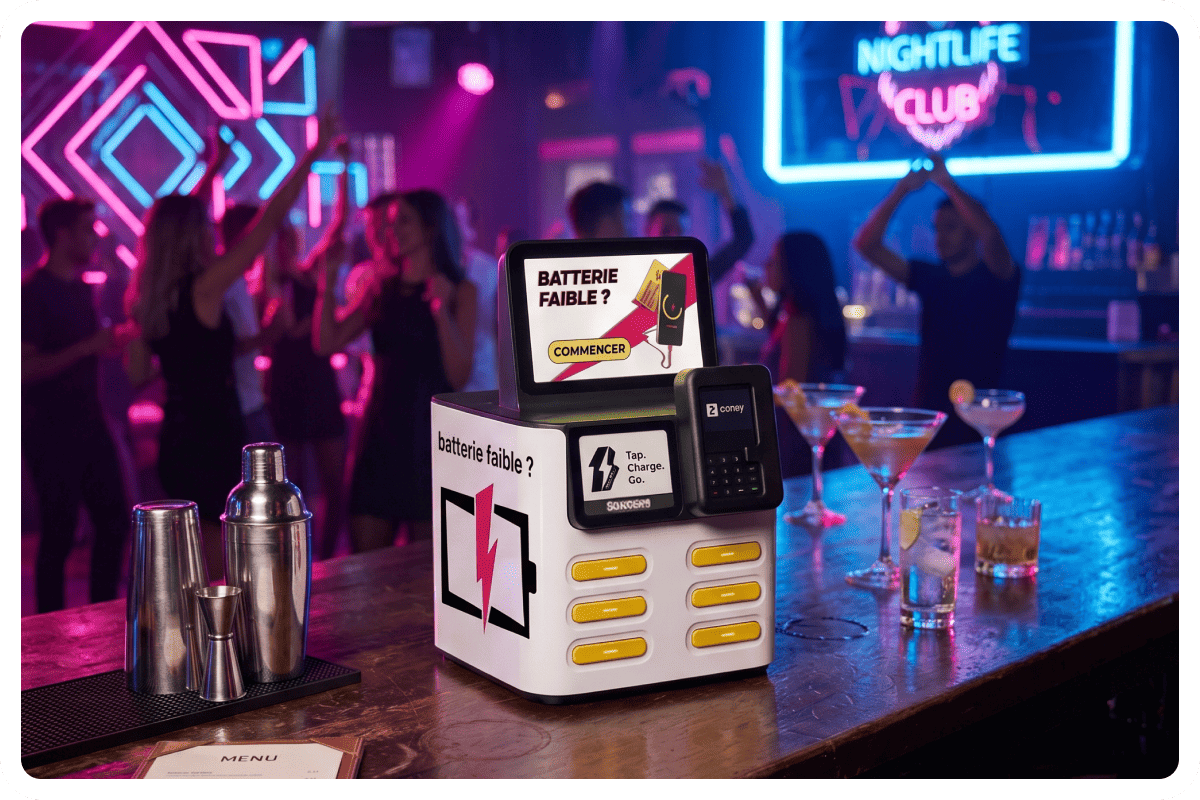
Self-service power banks: phone charging for bars and nightclubs
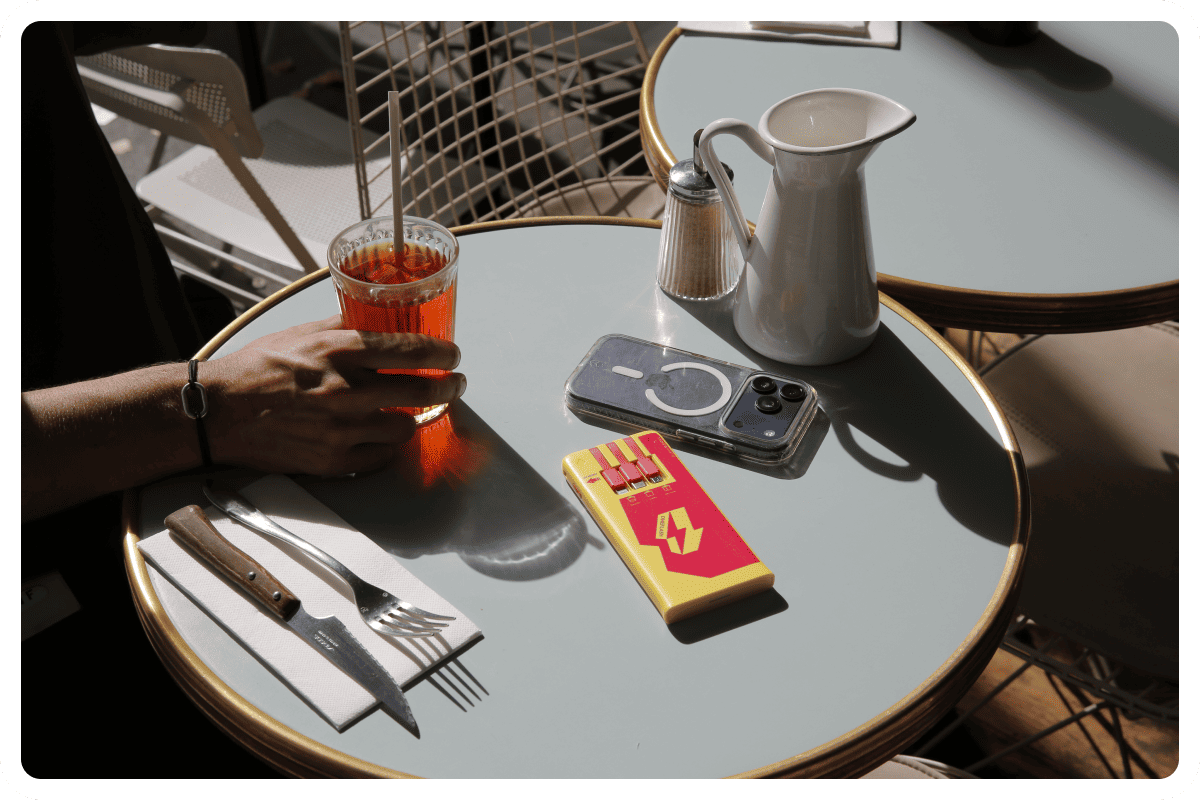
Standalone power bank station: phone charging at the restaurant
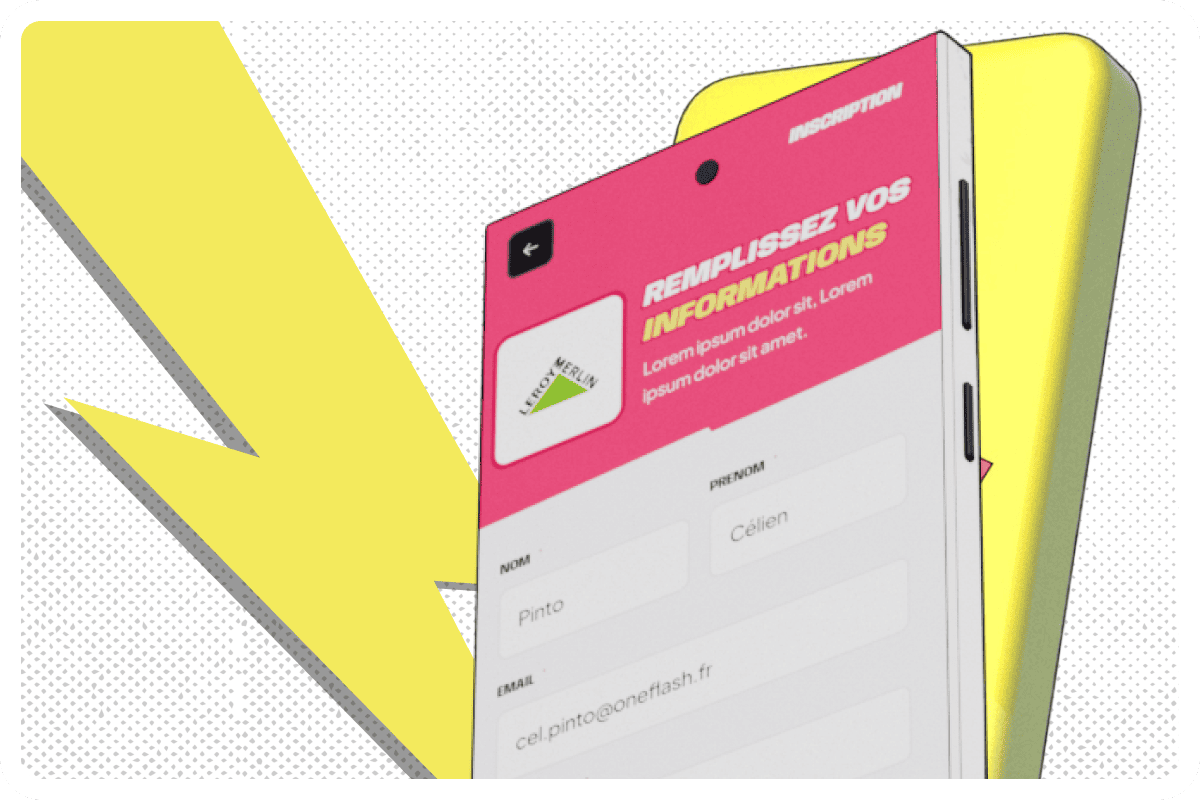
Customer knowledge: how to collect the right data
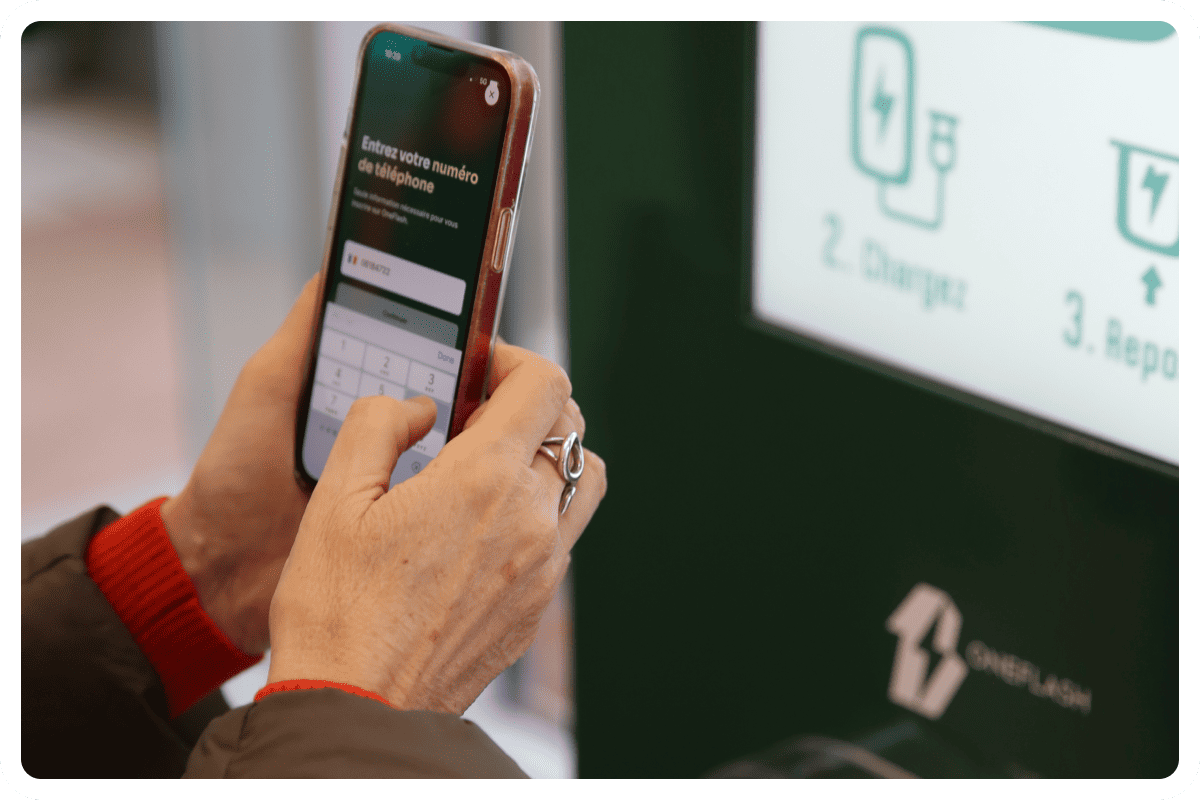
Marketing activation: turning every interaction into an engagement lever for your brand
.jpeg)
Phone lockers: the limits and the modern alternative
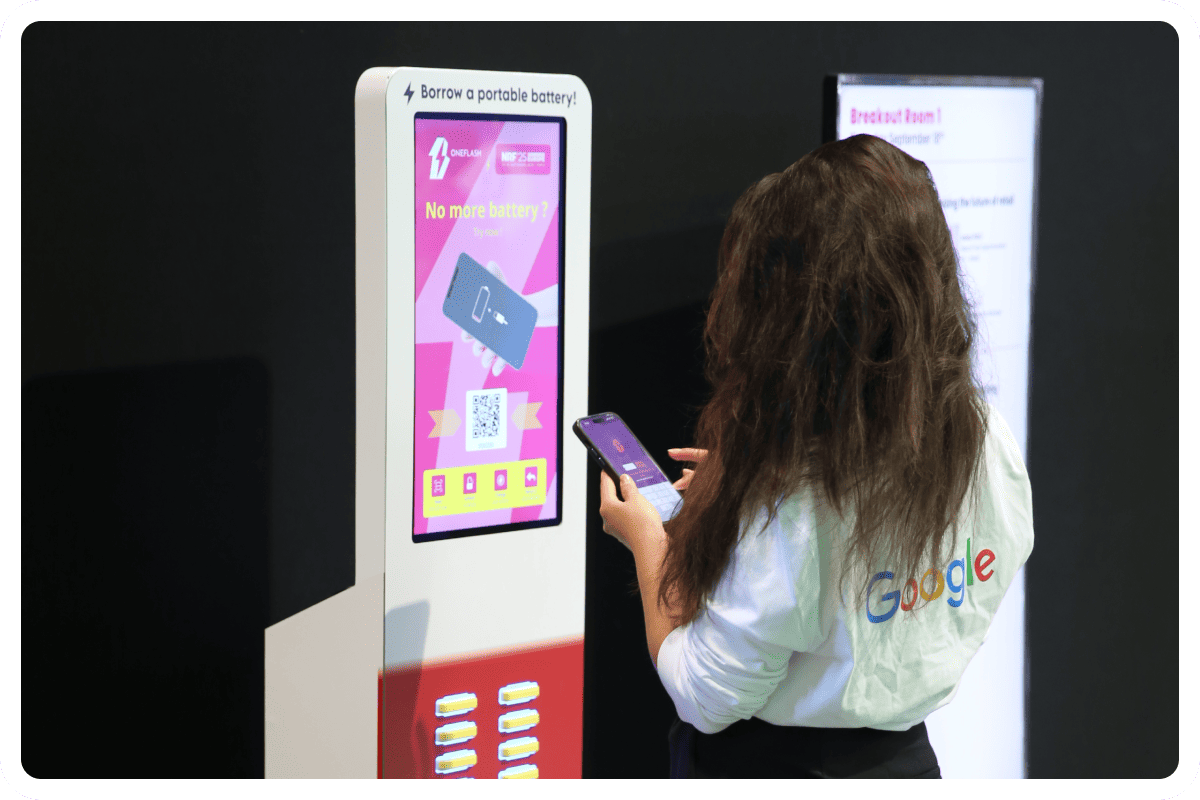
Charging stations in conference centres: equipping an event
Charging stations in theme parks: improving the visitor experience all day long
CSR approach: the mobile charging station, a concrete lever for businesses welcoming the public

Grégory Sion (Pierre & Vacances): Share Your Power - Episode 14

Sébastien Manceau (European Camping Group): Share Your Power - Episode 13
Mobile charging: every way to charge your phone easily

Dominique Thillaud (Compagnie des Alpes): Share Your Power - Episode 12
.jpeg)
Charging stations: the complete guide to choosing

Mike Hadjadj (La Retail Tech): Share Your Power - Episode 11
%2520(1).jpeg)
USB fast charging: the complete guide

Antoine de Tavernost (Auditoire): Share Your Power - Episode 10
Charging station rental: the complete guide
Power banks for mobile devices: the complete guide
Phone charging in public places: wall sockets
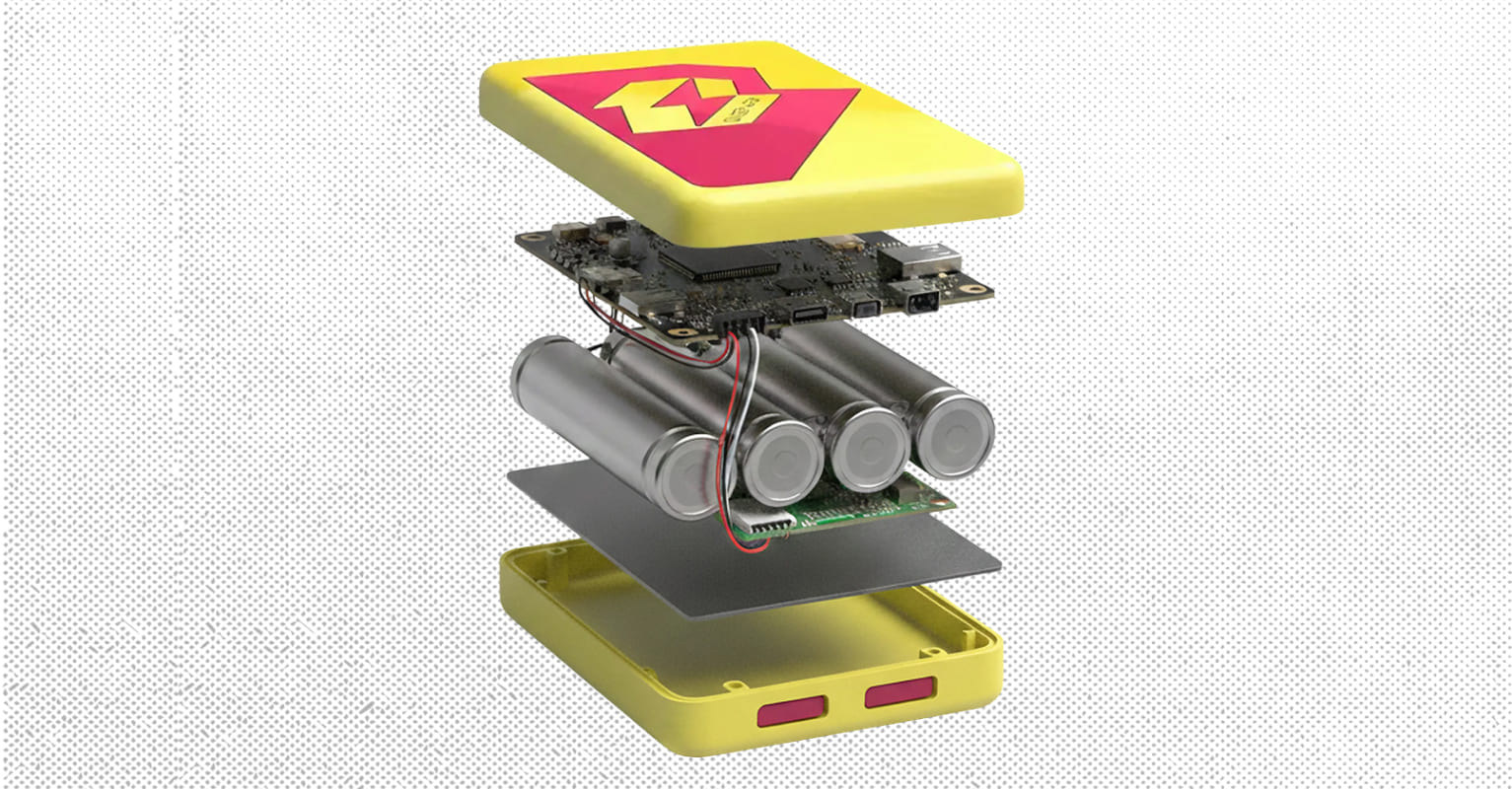
Ask Jamy! How does a power bank work?
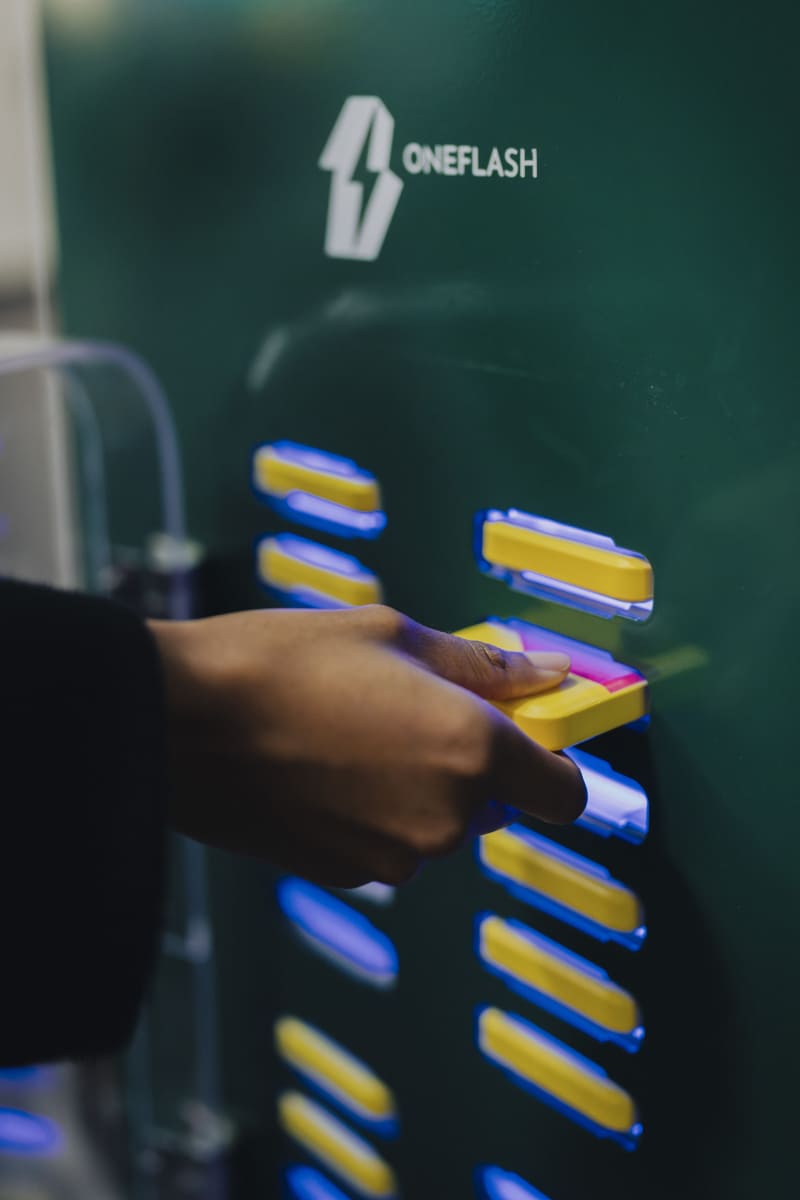
In-store customer experience tools: the levers to activate

Are portable power banks dangerous?
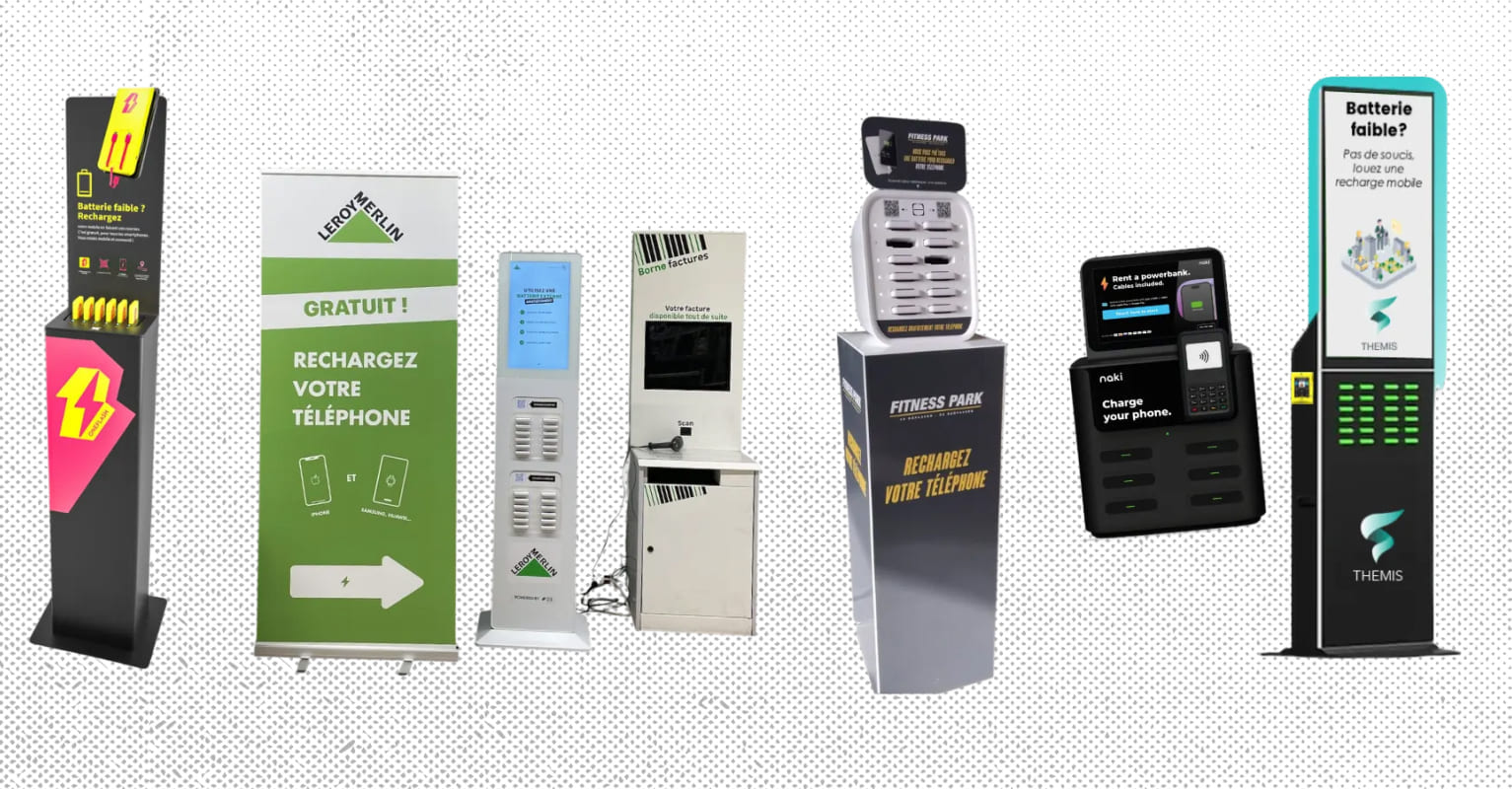
The best power bank station services