Are portable power banks dangerous?
Power banks: underestimated danger or disproportionate fear? Myths vs realities
In business, the question is no longer “can it happen?”, but “under what conditions does it happen... and how can we reduce the risk without complicating our teams' lives”. Incidents involving lithium batteries do exist and some are very well documented, for example in aviation: in 2024, UL Standards & Engagement reported an average of about two thermal runaway incidents a week, with cases involving power banks.
Another useful reminder: the CPSC (Consumer Product Safety Commission) announced in 2025 the recall of more than a million power banks from a major brand after reports of fires or “explosions”.
To find out how a battery works, see our dedicated article.
Myth? “A power bank explodes on its own”
A power bank does not become dangerous by magic. In most scenarios there is always a trigger: a cell weakened by a knock, compression in a bag, exposure to strong heat, charging in a poorly ventilated environment or even manufacturing defects (more common on low-end or counterfeit products).
After that, everything hinges on a specific mechanism: thermal runaway.
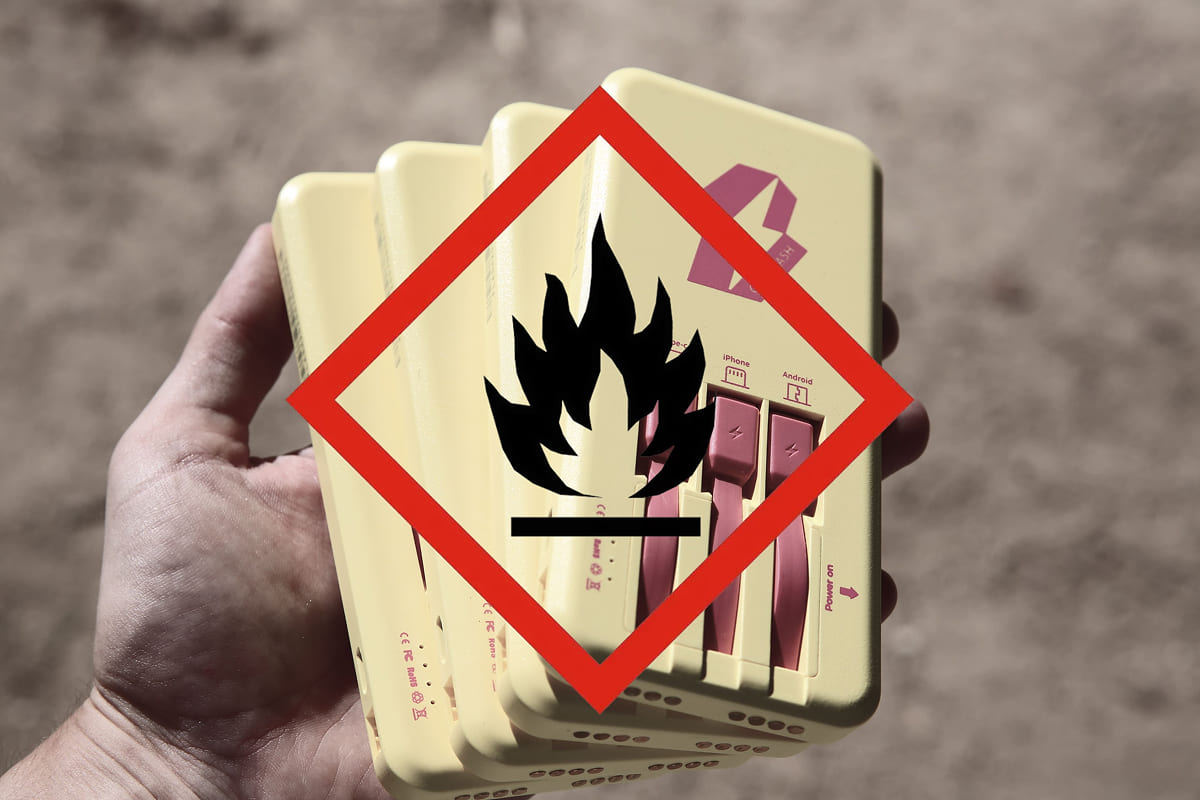
Thermal runaway is a self-sustaining rise in temperature. When it starts, degradation can accelerate very quickly, hence the impression of a “sudden” incident. Put another way: it is not random, but when the conditions are met, it can move fast. And that is exactly why lithium-ion safety is mostly a matter of prevention and context of use.
The B2B risk: the “life” of the portable power bank
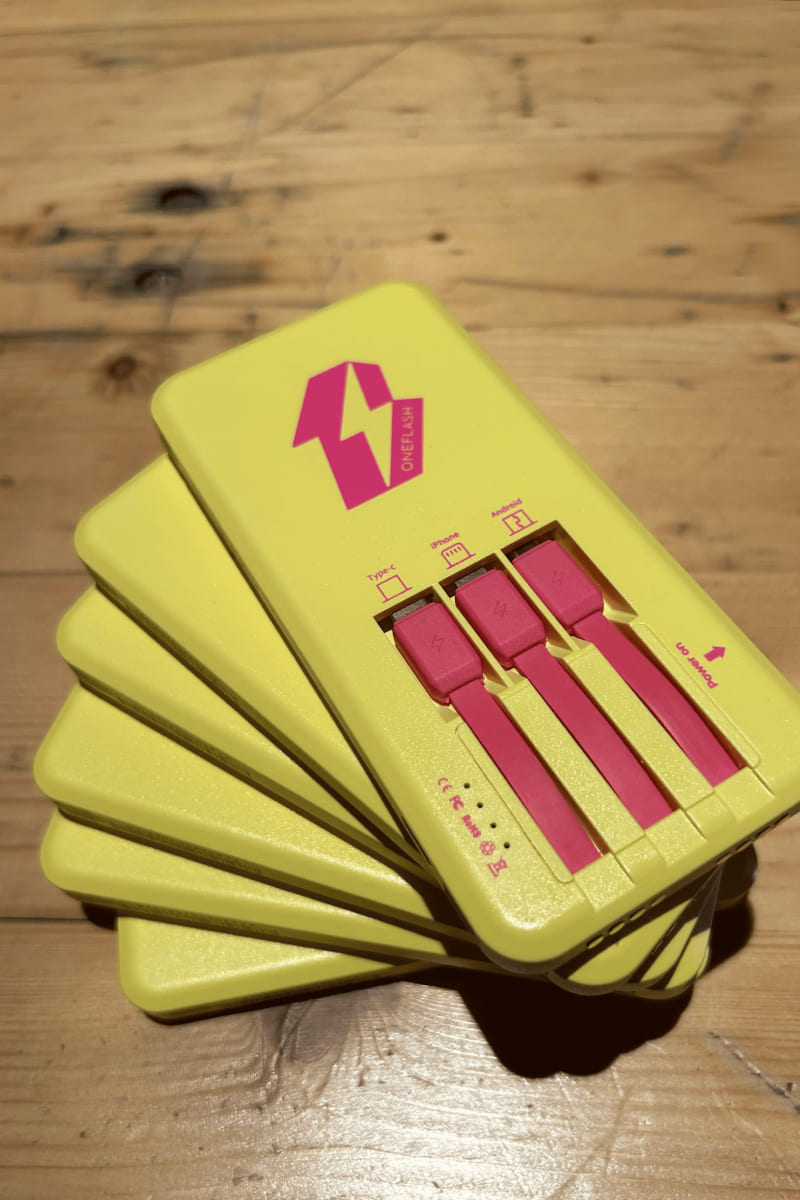
In a professional setting, incidents do not come from an occasional charge at the office. They tend to occur when the power bank becomes a consumable that is kept in circulation for a long time, sometimes with no sorting rules or tracking: lots of cycles, lots of handling and weak signals that slip under the radar.
Here are a few typical situations that increase the risk without anyone realising:
- prolonged charging on a power strip, in a piece of furniture or a closed bin
- “tired” cables/adaptors
- loose storage and repeated knocks
- no “quarantine” for suspect portable power banks
These are details, but this is where lithium safety is won. And it is also where you take back control, thanks to simple processes, consistent equipment and a well-managed “end of life”.
What sets OneFlash portable power banks apart: protections, tests and traceability
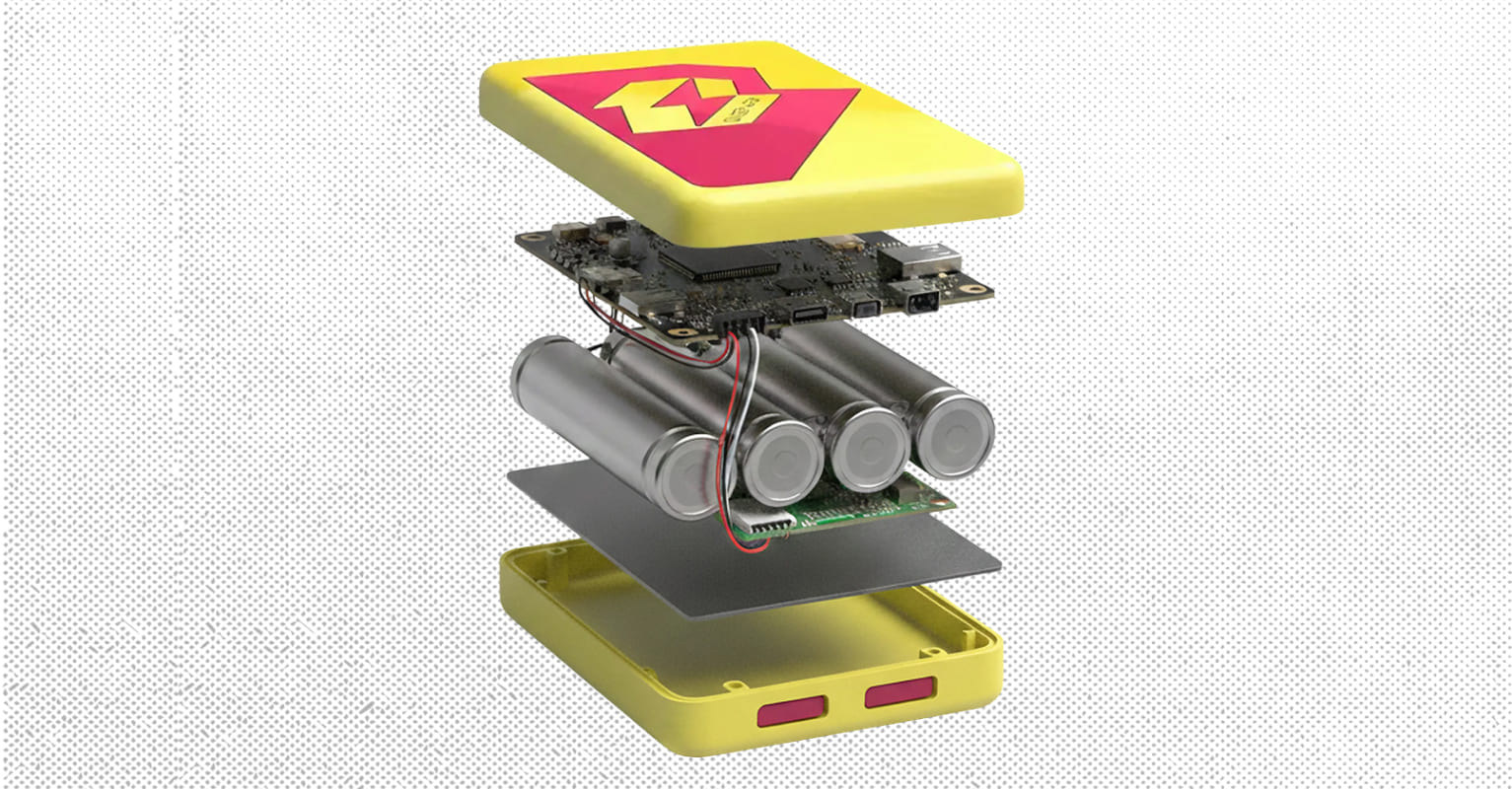
For a B2B purchase, capacity (mAh) is not enough. A so-called serious power bank includes a protection system (BMS) that limits overcurrent, overcharge, short circuit, overheating and so on. But the most reassuring point is the ability to prove robustness through standards and tests.
Three useful reference points (without drowning in the standard):
- UL 2056: a test standard dedicated to power banks, focused on safety in conditions of use.
- IEC 62133-2: an international safety standard for lithium cells/batteries intended for portable equipment.
- UN 38.3: tests linked to transport (particularly important if you ship batches or rotate power banks between sites/events).
In practice, this gives you a simple grid: batch traceability, presence of protections, compliance with recognised tests and a clear message on lifespan and replacement. That is far more solid than a “fast charge” packaging claim.
Making power banks available to the public: what about operations?
In a venue that welcomes the public, some portable power banks will obviously wear out a bit faster: the user pulls on the cable, the power bank gets dropped, it stays in the sun, it comes back with a knock, nobody reports it... In this context, the aim is not to stack up instructions. The aim is to make sure the system absorbs real-world use and quickly takes out of circulation anything that does not inspire confidence.
This is often why some venues prefer self-service systems managed externally (rotation, maintenance, tracking, end-of-life collection), through a specialist operator, rather than letting portable power banks “circulate” without control.
Dangerous? Yes. Manageable? Absolutely, if you control the right details
A power bank is not dangerous “by default”, but it concentrates a lot of energy in a small volume: as with everything, zero risk does not exist. The good news is that risk can be managed very well: buying tested (and traceable) references, simple operating rules (ventilated storage, reliable cables, sorting of suspect power banks) and committed collection.
With the gradual tightening of compliance and traceability requirements in Europe, the real question will increasingly become “how do you demonstrate that your set-up is under control?” and no longer just “is it dangerous?”.
Discover OneFlash, the European leader in self-service mobile charging!
Découvrez tout nos autres articles :
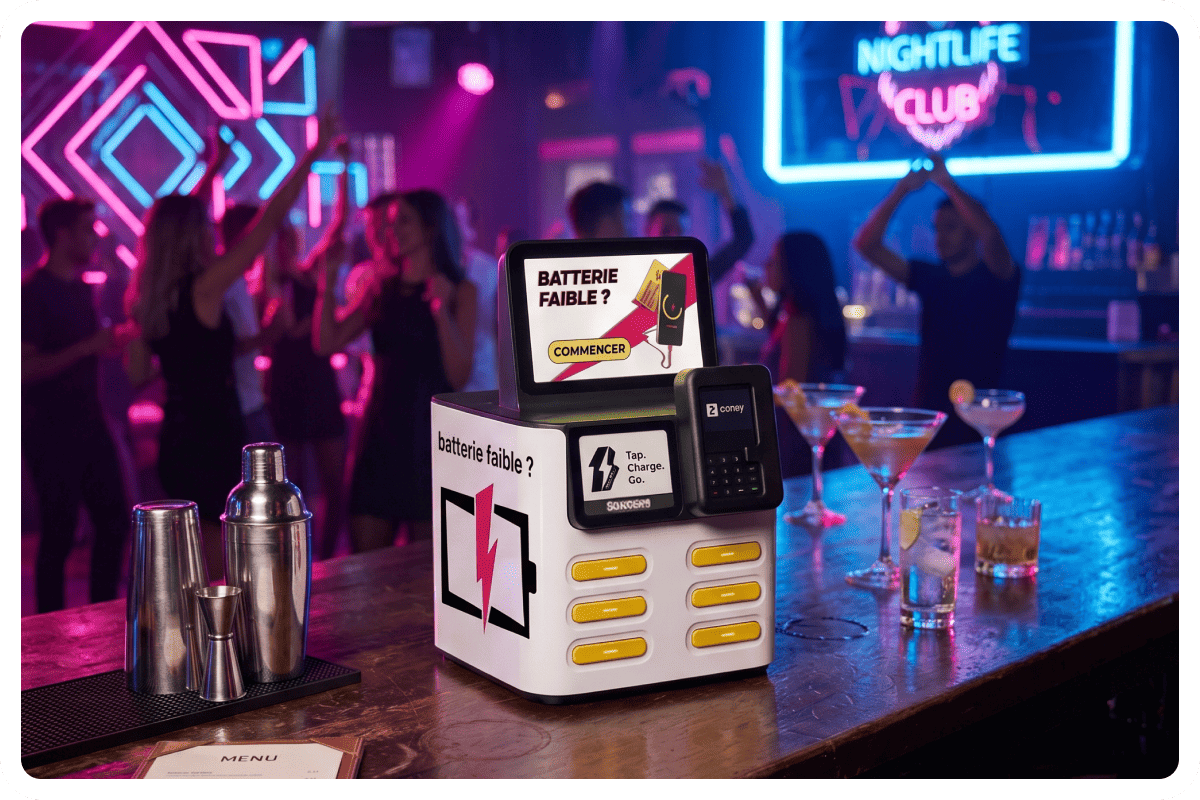
Self-service power banks: phone charging for bars and nightclubs

Standalone power bank station: phone charging at the restaurant
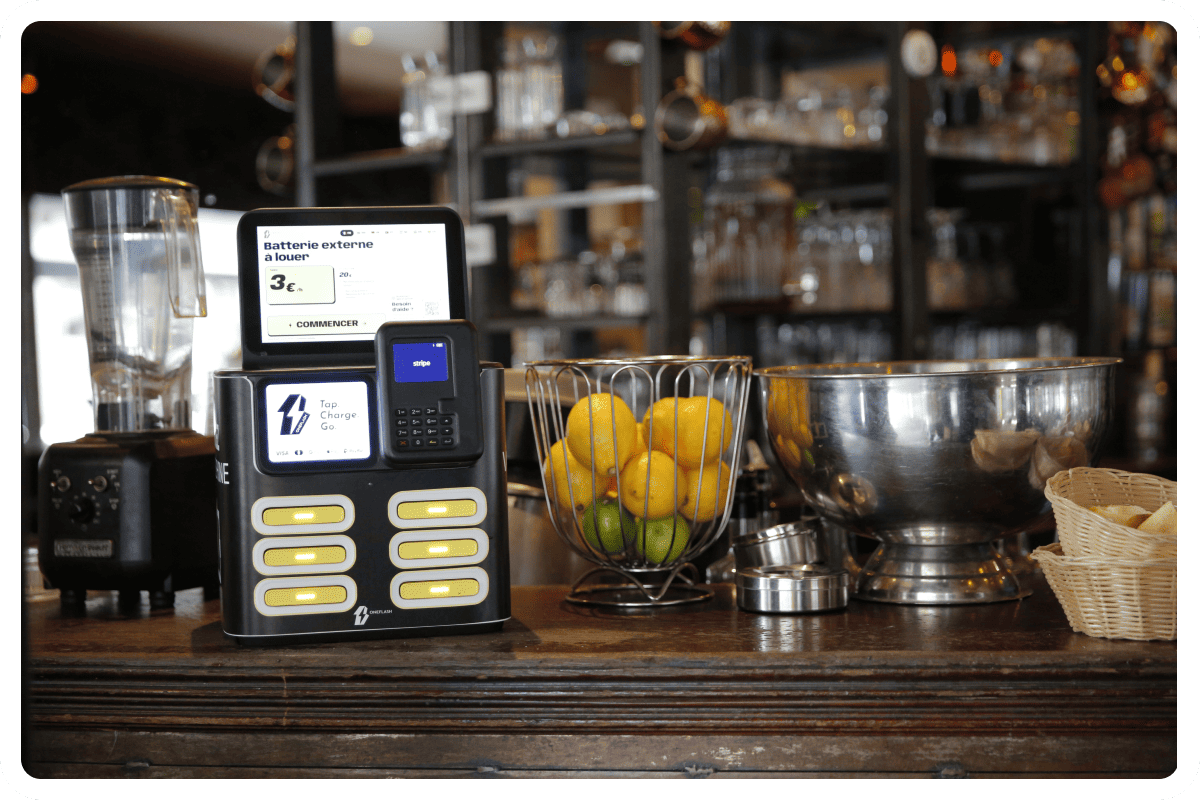
Customer loyalty in restaurants: bring guests back with phone charging
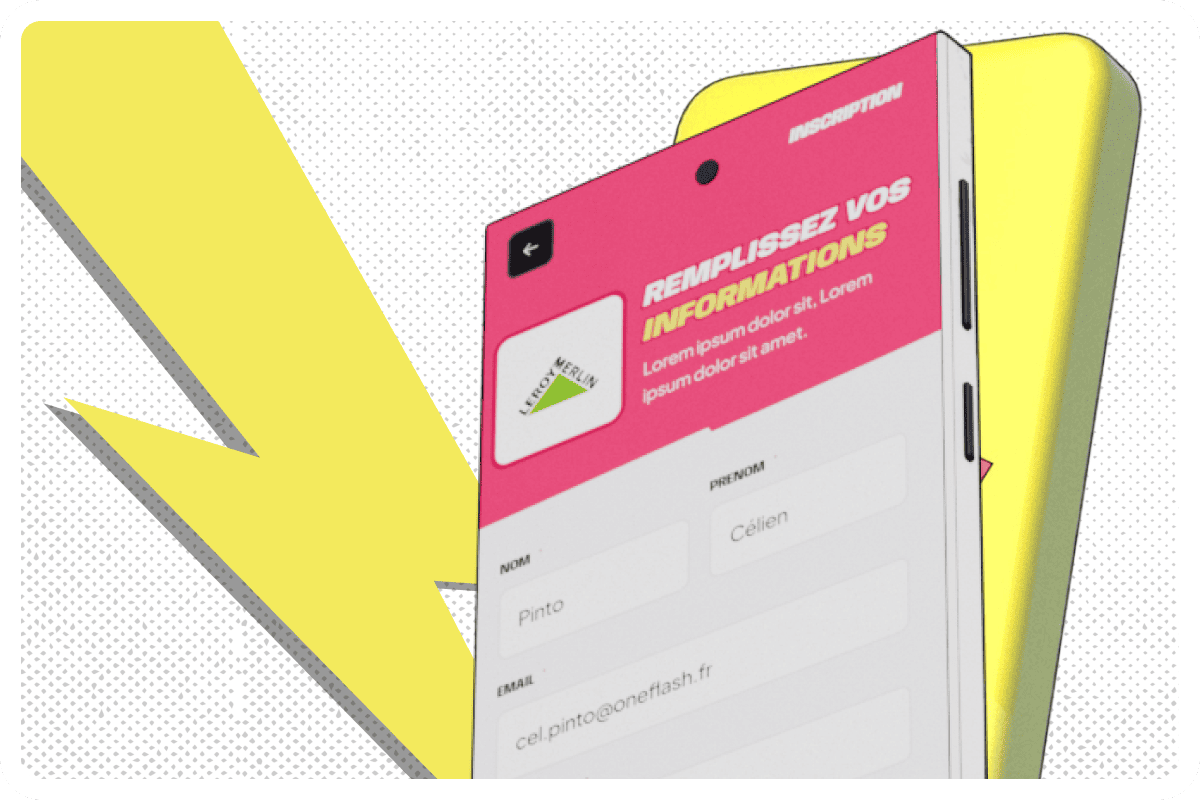
Customer knowledge: how to collect the right data
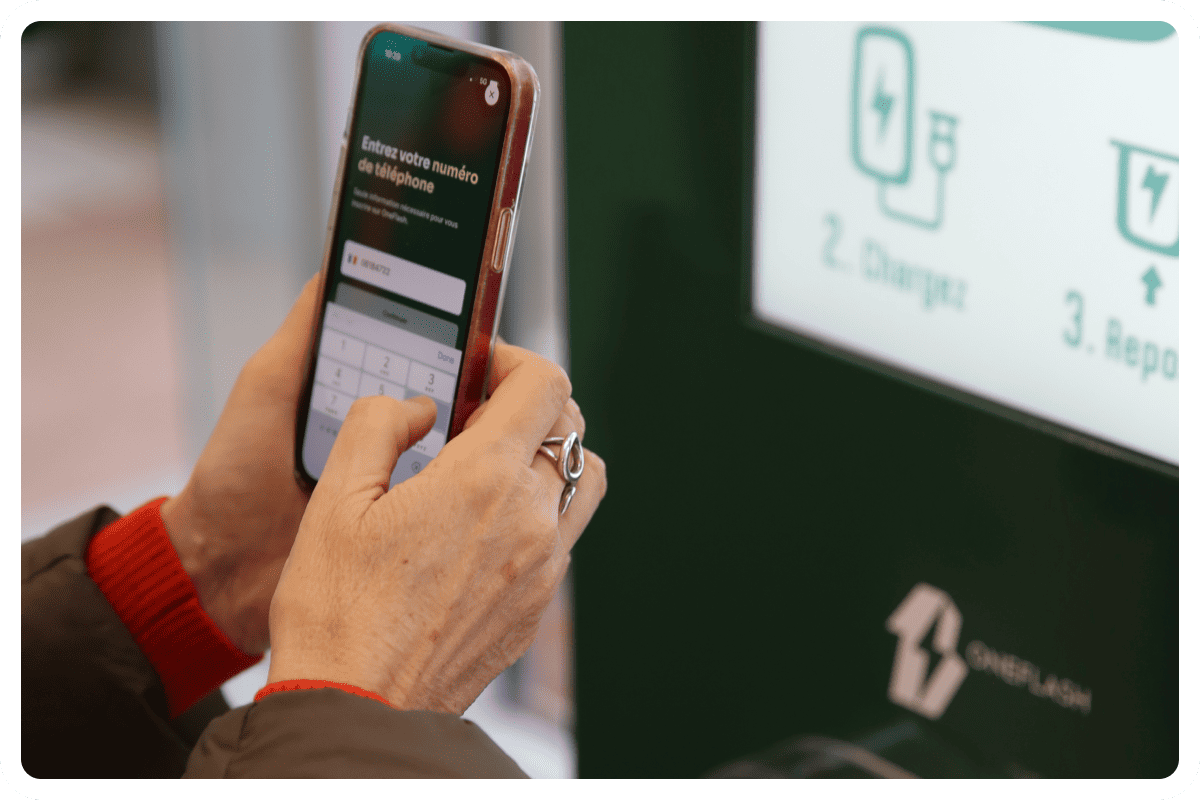
Marketing activation: turning every interaction into an engagement lever for your brand
.jpeg)
Phone lockers: the limits and the modern alternative
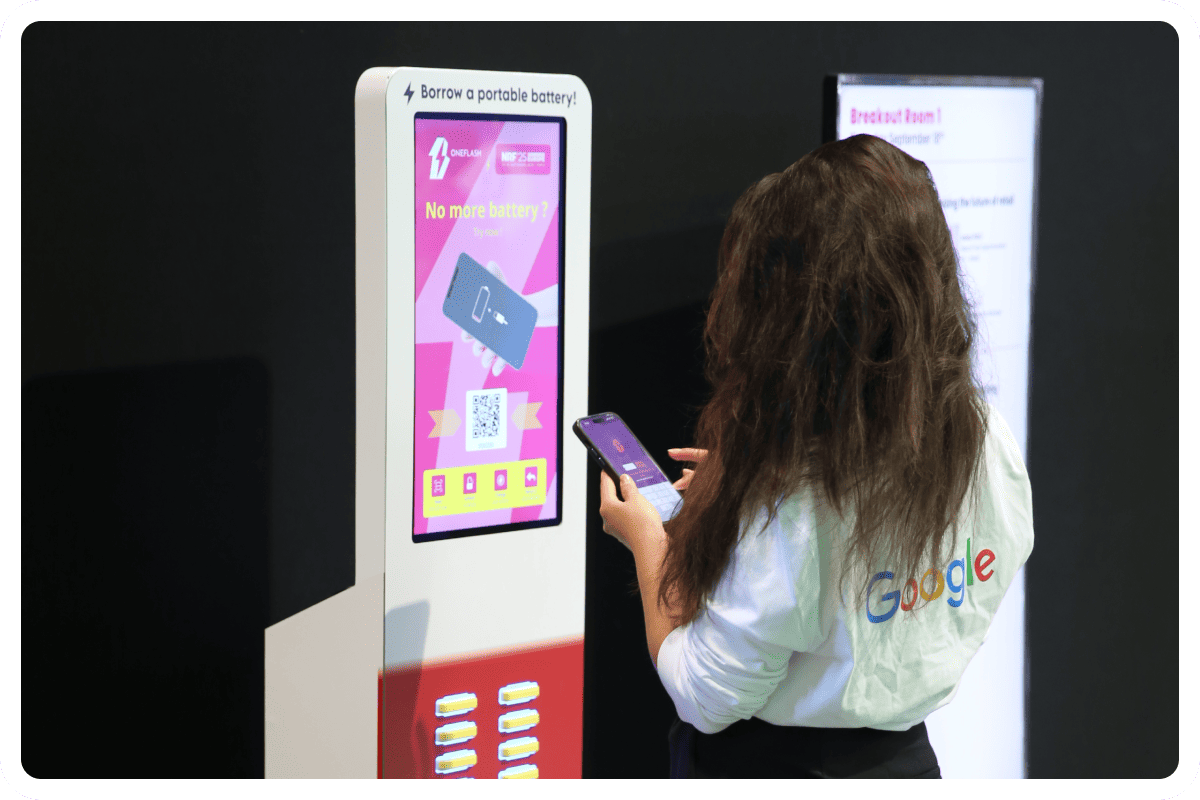
Charging stations in conference centres: equipping an event

Charging stations in theme parks: improving the visitor experience all day long
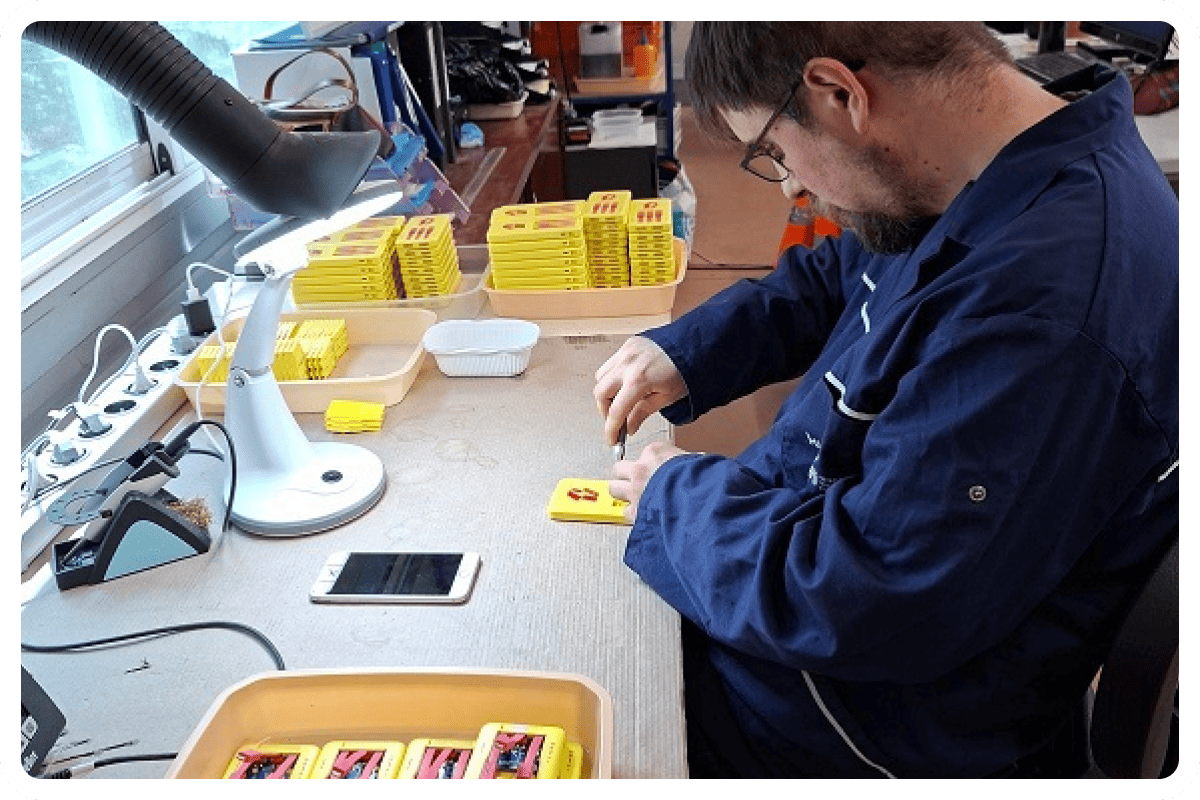
CSR approach: the mobile charging station, a concrete lever for businesses welcoming the public
Grégory Sion (Pierre & Vacances): Share Your Power - Episode 14
Sébastien Manceau (European Camping Group): Share Your Power - Episode 13
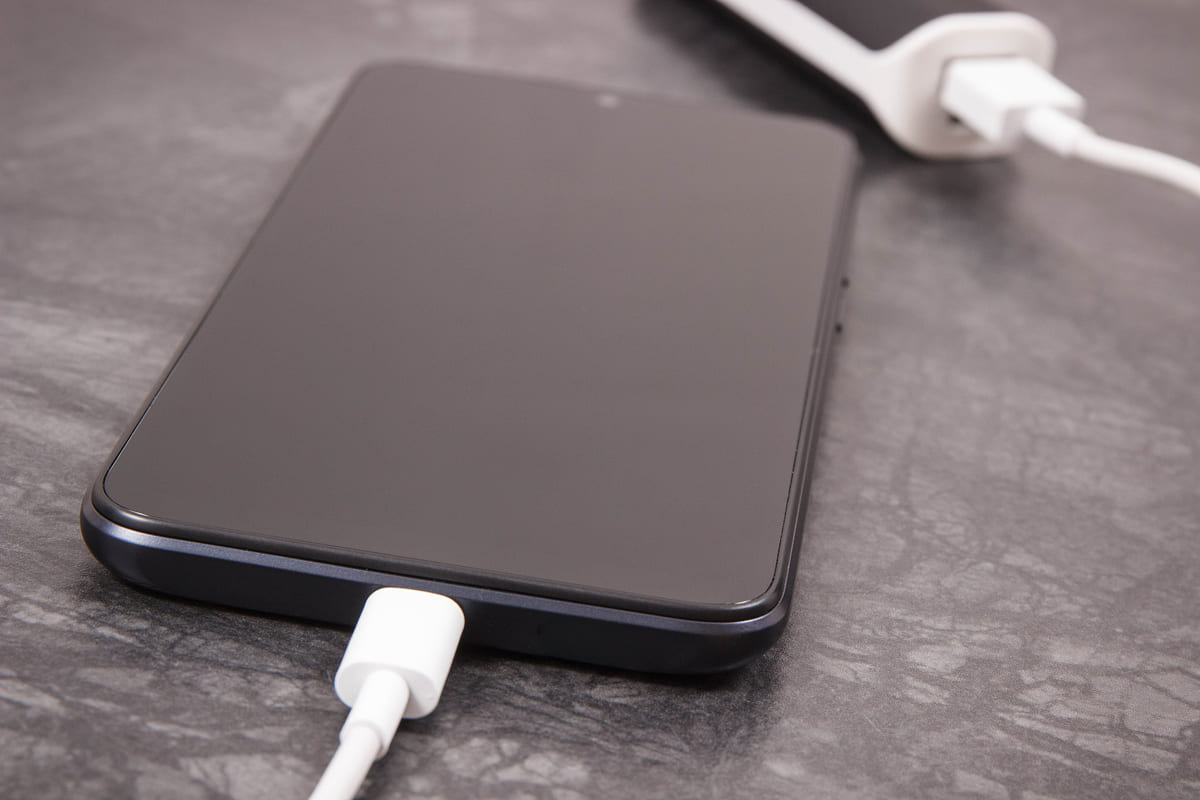
Mobile charging: every way to charge your phone easily
Dominique Thillaud (Compagnie des Alpes): Share Your Power - Episode 12
.jpeg)
Charging stations: the complete guide to choosing
Mike Hadjadj (La Retail Tech): Share Your Power - Episode 11
%2520(1).jpeg)
USB fast charging: the complete guide
Antoine de Tavernost (Auditoire): Share Your Power - Episode 10
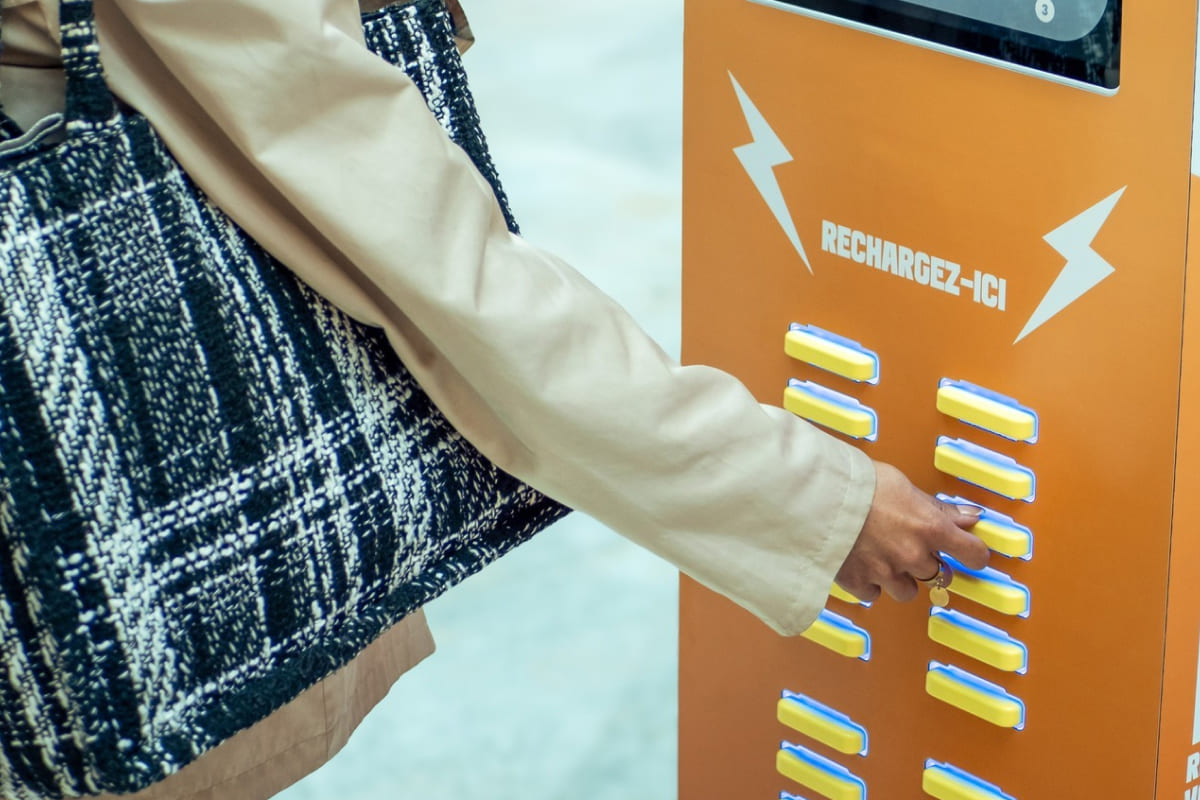
Charging station rental: the complete guide
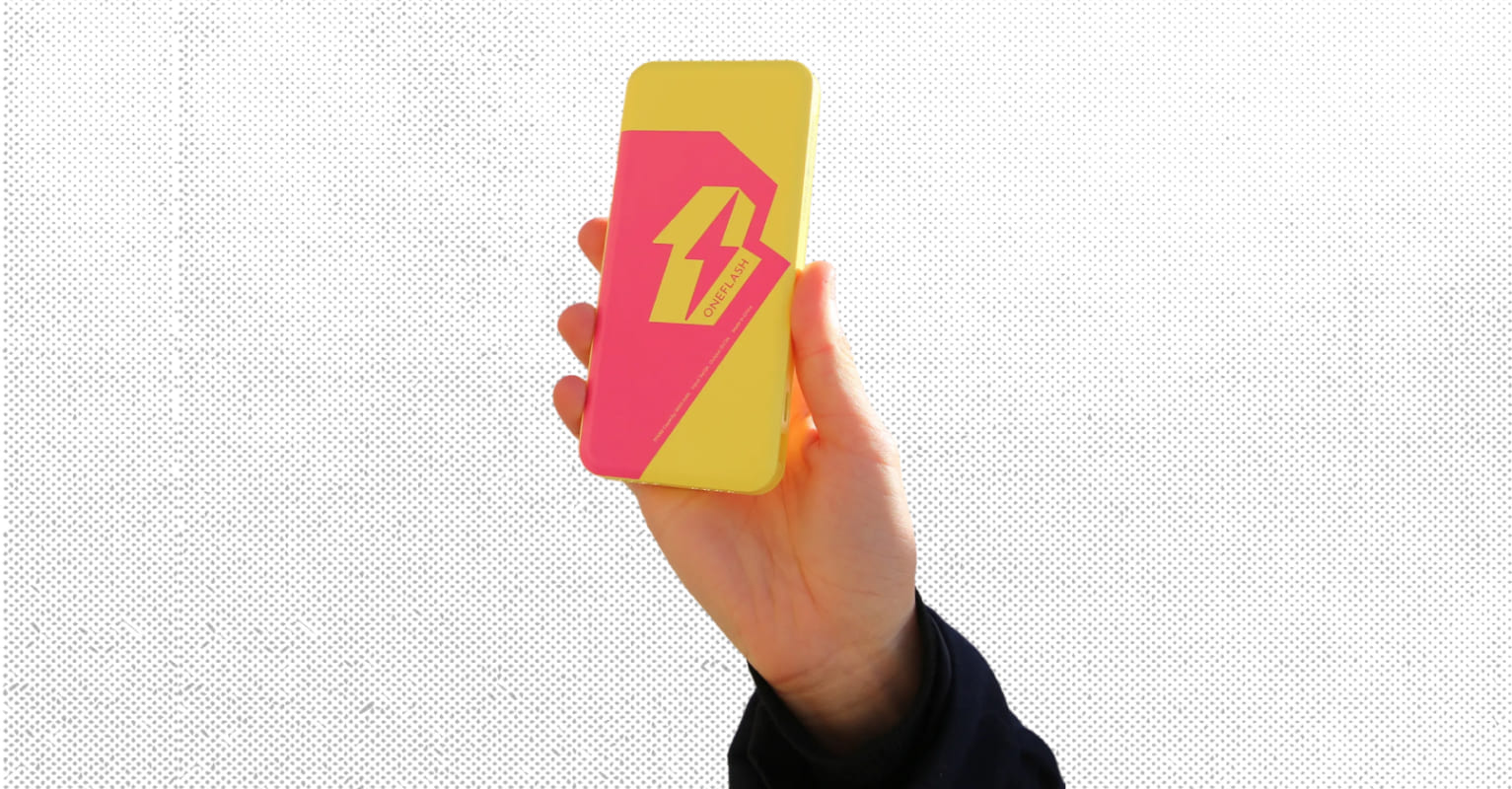
Power banks for mobile devices: the complete guide
Phone charging in public places: wall sockets
Ask Jamy! How does a power bank work?
In-store customer experience tools: the levers to activate
The best power bank station services