Mobile charging: every way to charge your phone easily
To bring a flagging battery back to life in the middle of the day, mobile charging has become an unavoidable daily gesture. Yet many users still do not know about the many options available and waste precious time for want of the right tricks. This complete guide brings together every way of charging your phone, from the classic charger to self-service stations installed in public places, not forgetting credit top-up services for travellers and prepaid plan users. The aim is simple: to let you charge your mobile quickly, safely and at the best cost, whatever country or context you are in.
The different mobile charging methods
There are now three main ways of giving your phone energy. Understanding the strengths and limits of each will help you choose the solution best suited to your daily life.
Charging from a wall socket
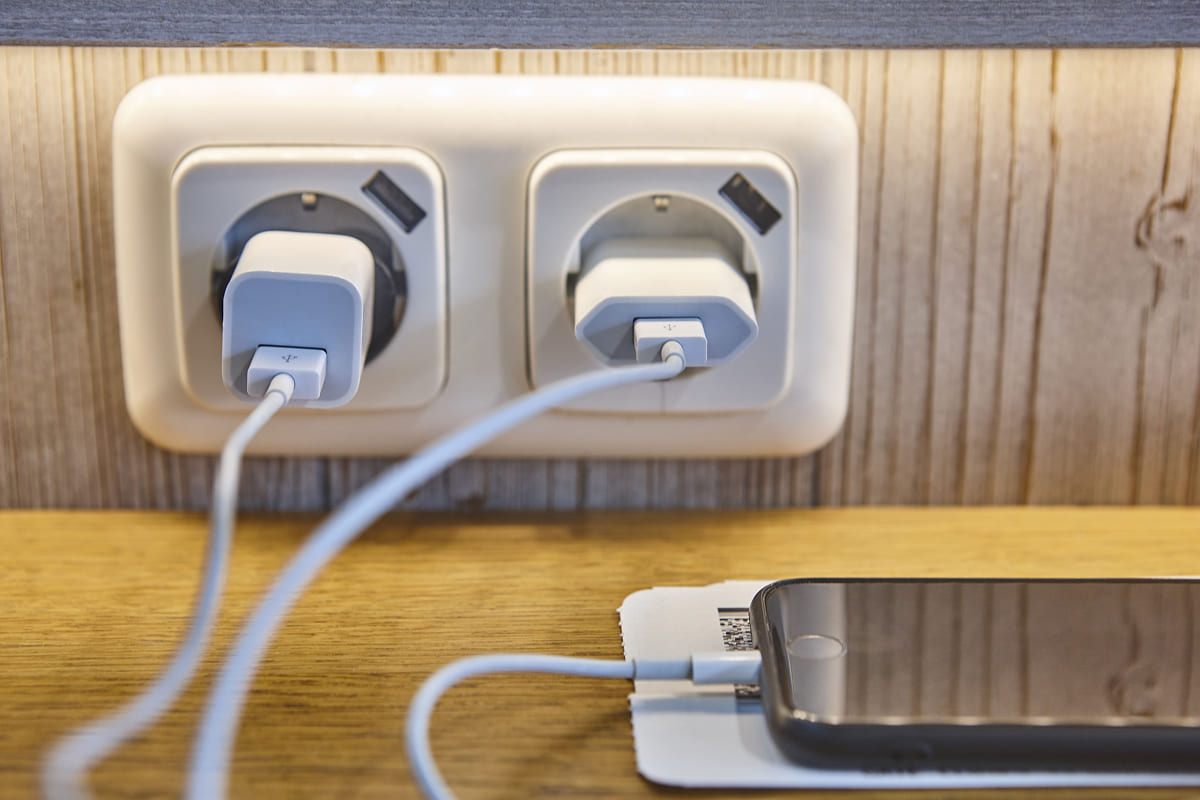
The most common method remains charging by cable plugged into a wall socket. It keeps an undeniable advantage in reliability and speed, provided you use a charger suited to the power your mobile accepts. Recent fast chargers deliver between 20 and 120 watts, which can charge a phone from 0 to 80 percent in under forty minutes. Make sure you favour accessories certified by your manufacturer to avoid damaging the battery in the long term. However, it is not unusual for wall sockets in public places not to work: find out why here.
Using a wireless charger
Wireless induction charging appeals to more and more users thanks to its ease of use. You simply place the phone on a Qi-compatible pad to start charging, with no cable to handle. This technology suits professional environments, hotels and recent equipped vehicles particularly well. The only point to watch is the heat given off by induction, which can slightly shorten battery life over several years if this is the only charging method you use.
Opting for a public charging station
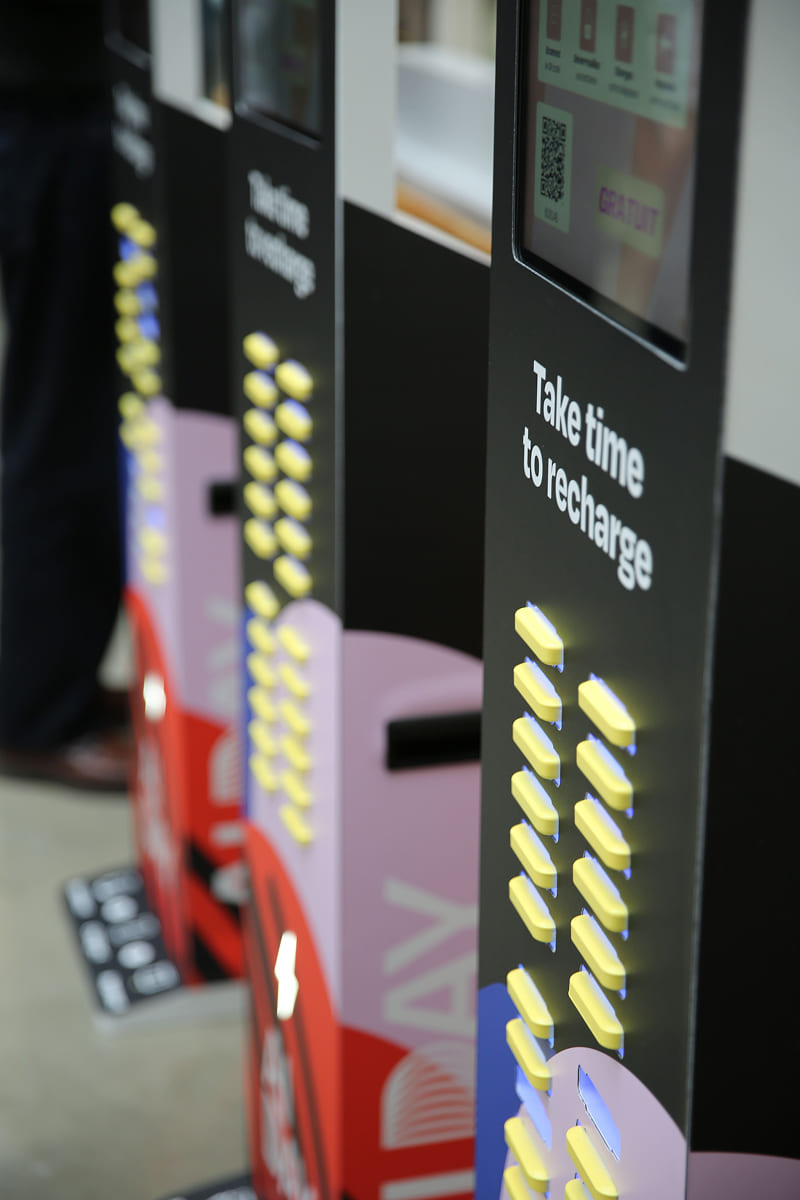
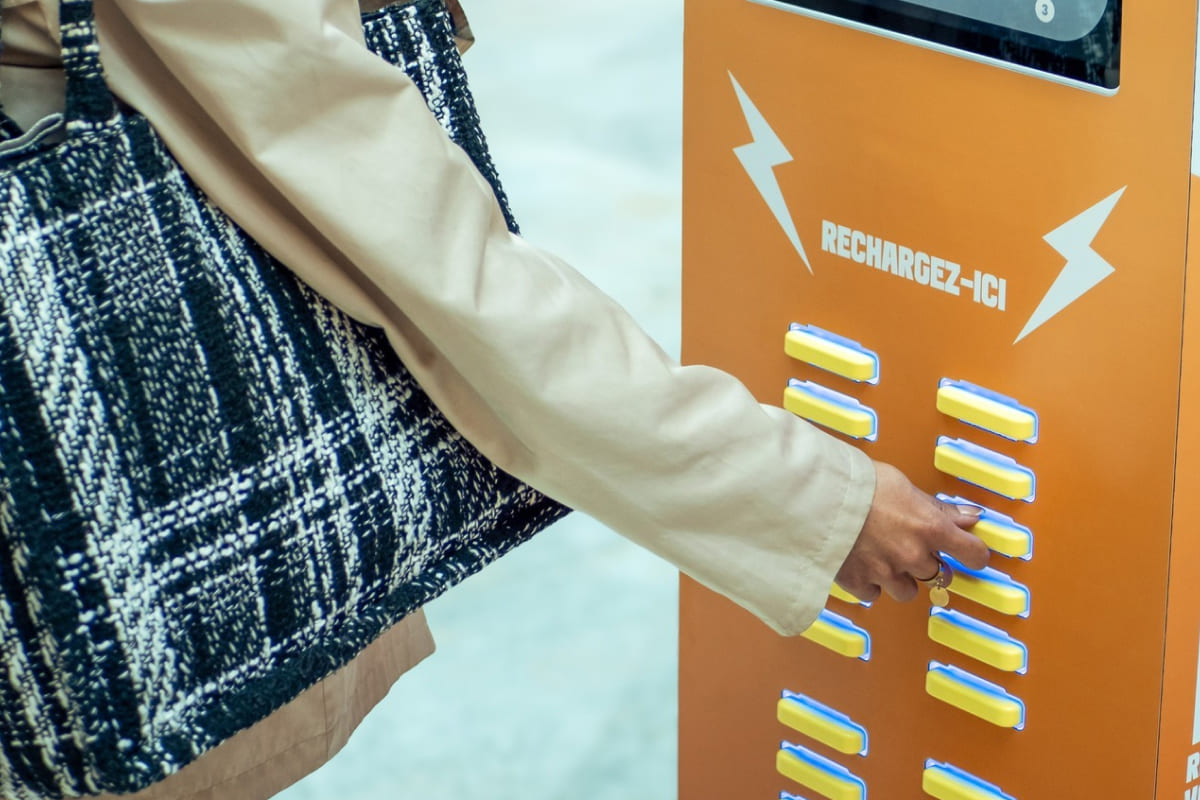
When you are on the move, self-service charging stations are a valuable solution. In which venues can a phone charging station be installed? The most relevant locations are stations, airports, shopping centres, hospitals, stadiums, casinos, conference centres, theme parks and all high-footfall venues. This equipment offers a service that directly meets visitors' and travellers' need for autonomy. At Marseille Provence Airport, for example, more than 250,000 users have already used the OneFlash network in under a year, with a satisfaction score of 4.8 out of 5.
The best of all three worlds: the portable power bank station
Each of the three previous methods has its limits. The wall socket immobilises the user, the wireless charger only works at home or in the office, and the wall-mounted point in a public place forces you to stand next to your phone while it charges. The portable power bank station reconciles these constraints: a service accessible in public places, while keeping the freedom of movement that mobility demands.
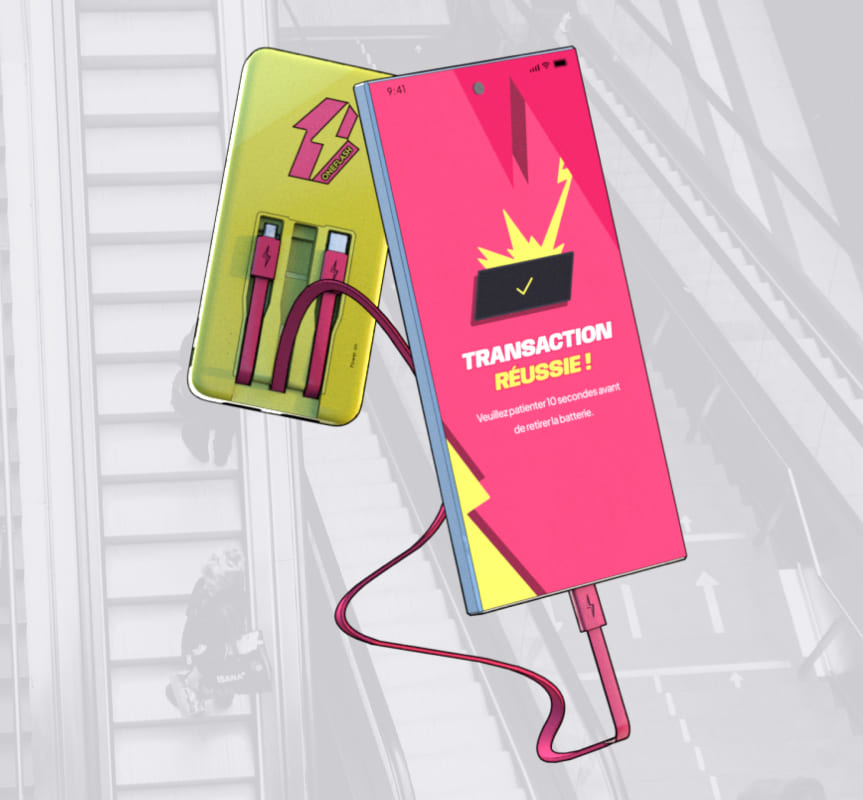
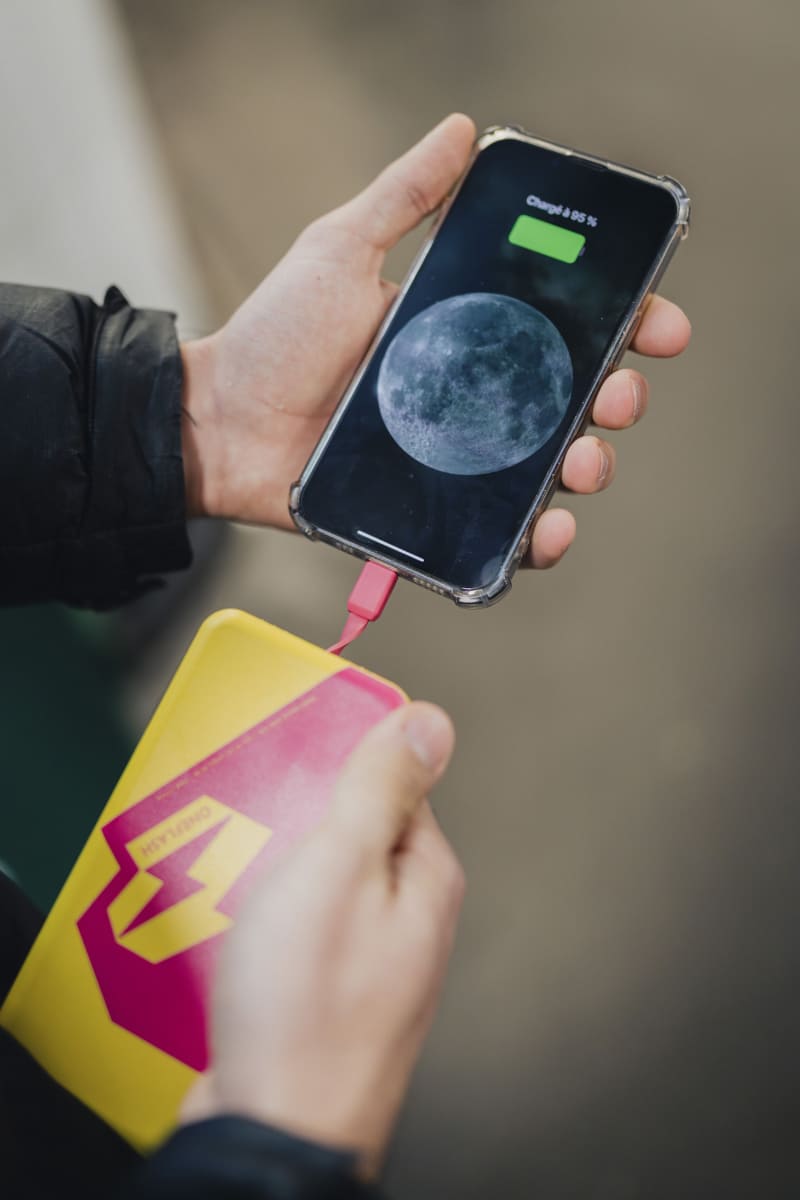
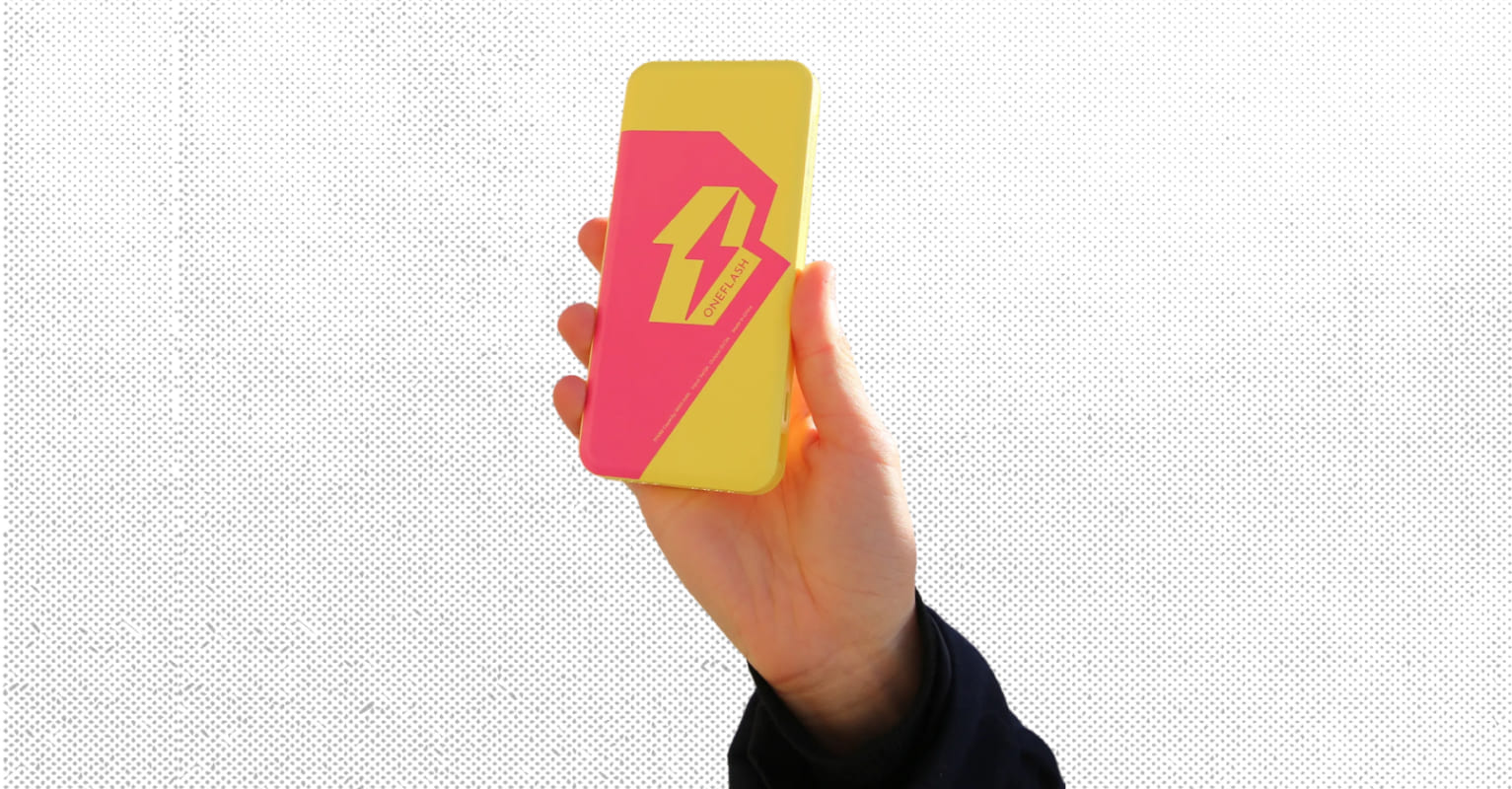
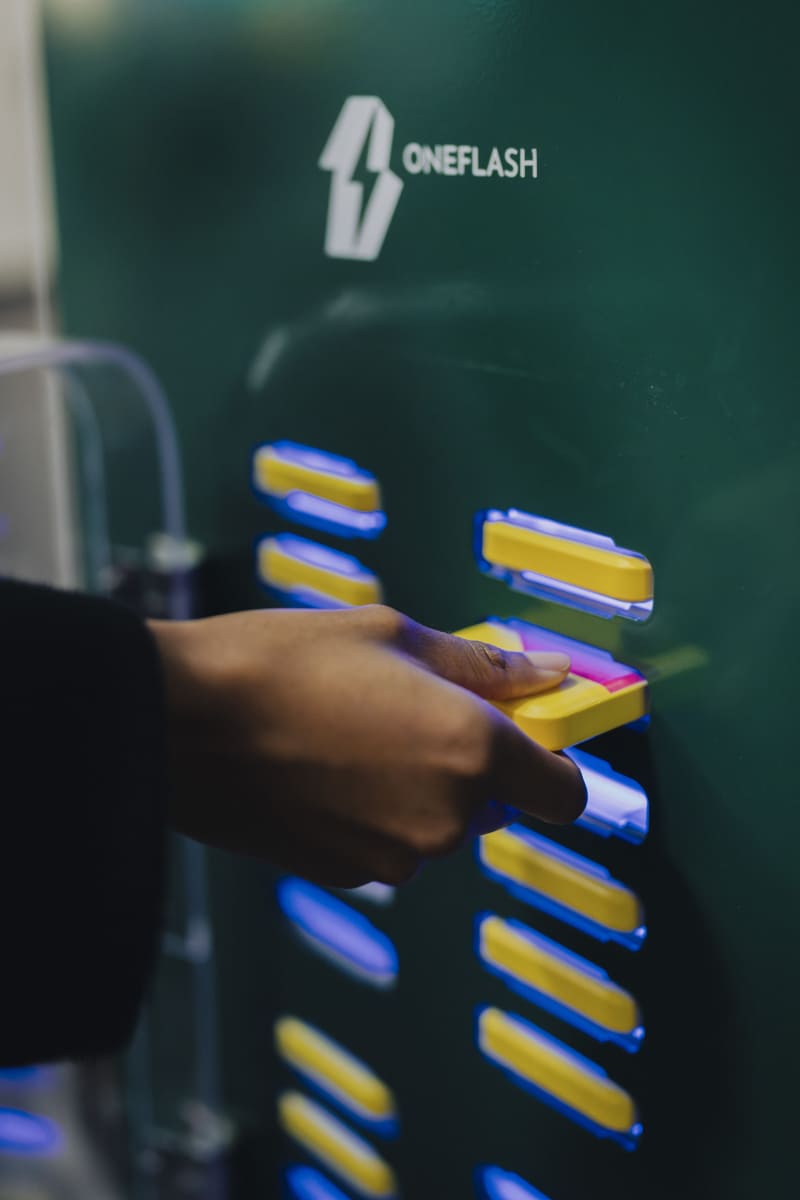
The principle is simple. The user borrows a pre-charged power bank compatible with 100% of mobile devices, then carries on with their day while their phone charges in their pocket, before returning the power bank once they no longer need it.
How to choose a suitable phone charging station
Not all stations are equal, and for operators of public venues as for end users, several technical criteria should guide the choice.
Comparing the charging station models available
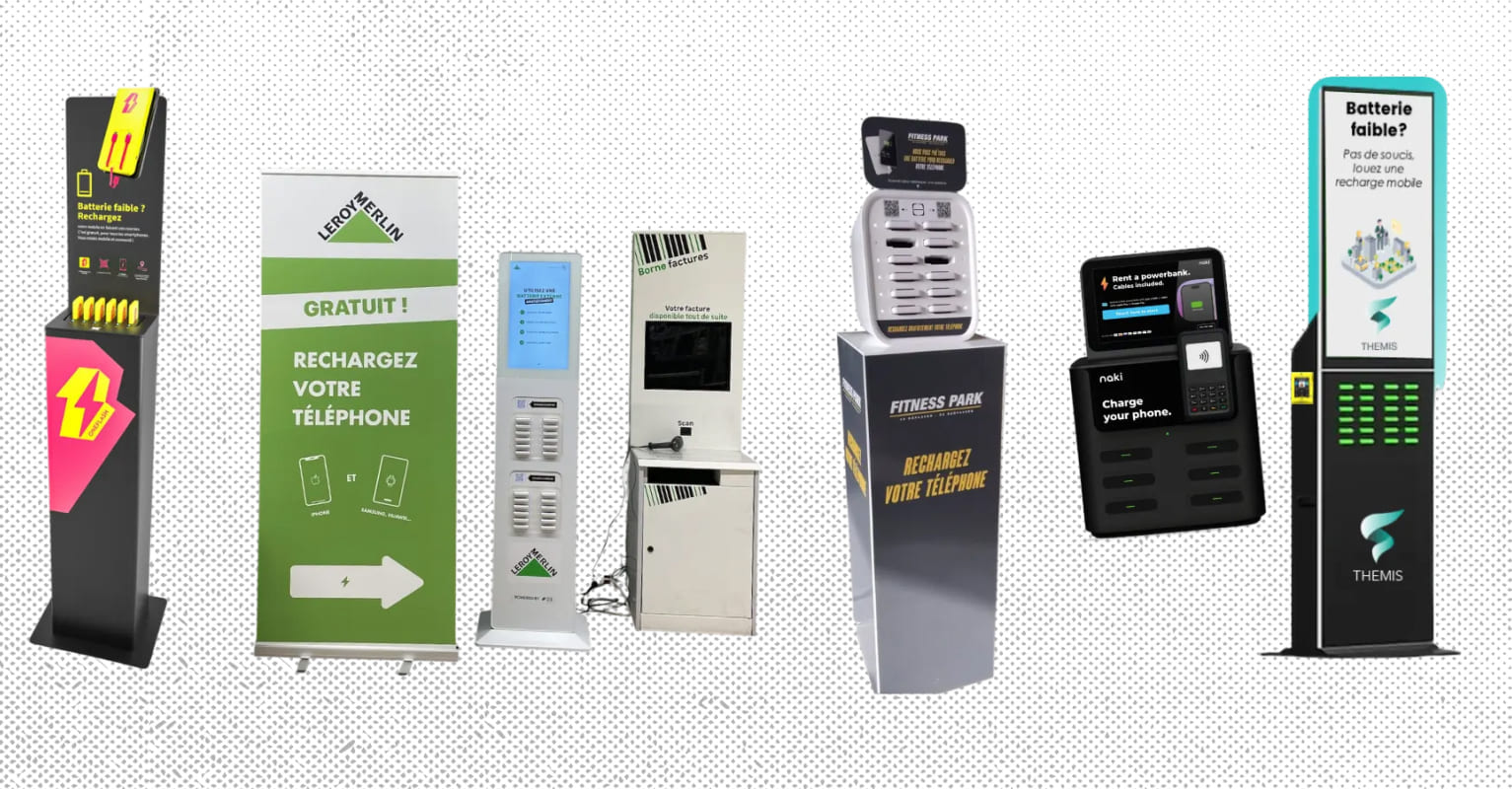
The European market now has several players, but their level of maturity varies significantly. OneFlash has established itself as the leading self-service mobile charging network in France and Europe, with more than 2,000 active stations, 1.2 million unique users and 3.2 million devices already charged. The service is notably deployed with SNCF, RATP, and at the airports of Amsterdam, Rotterdam and Marseille Provence. For a multi-site deployment with a high level of operational demand, the depth of the network and the quality of day-to-day operations make the difference. Discover the best self-service mobile charging services!
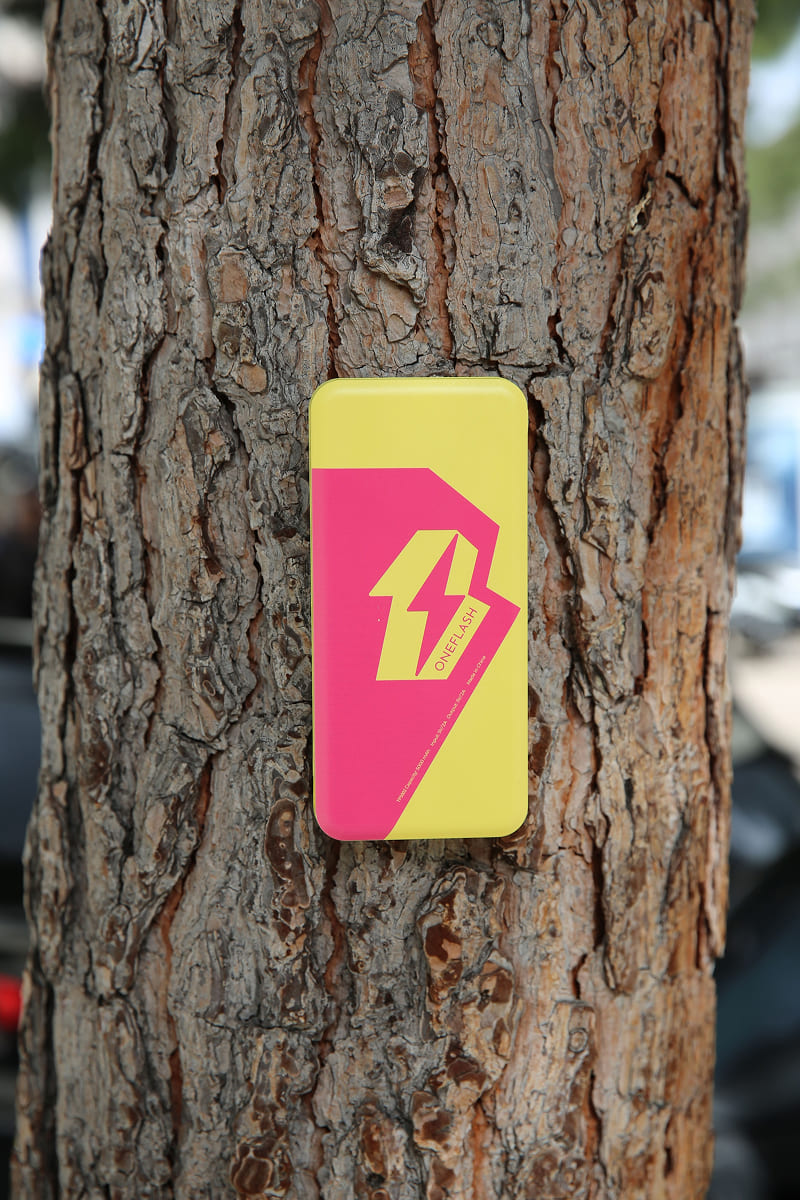
Identifying the useful features of a modern station
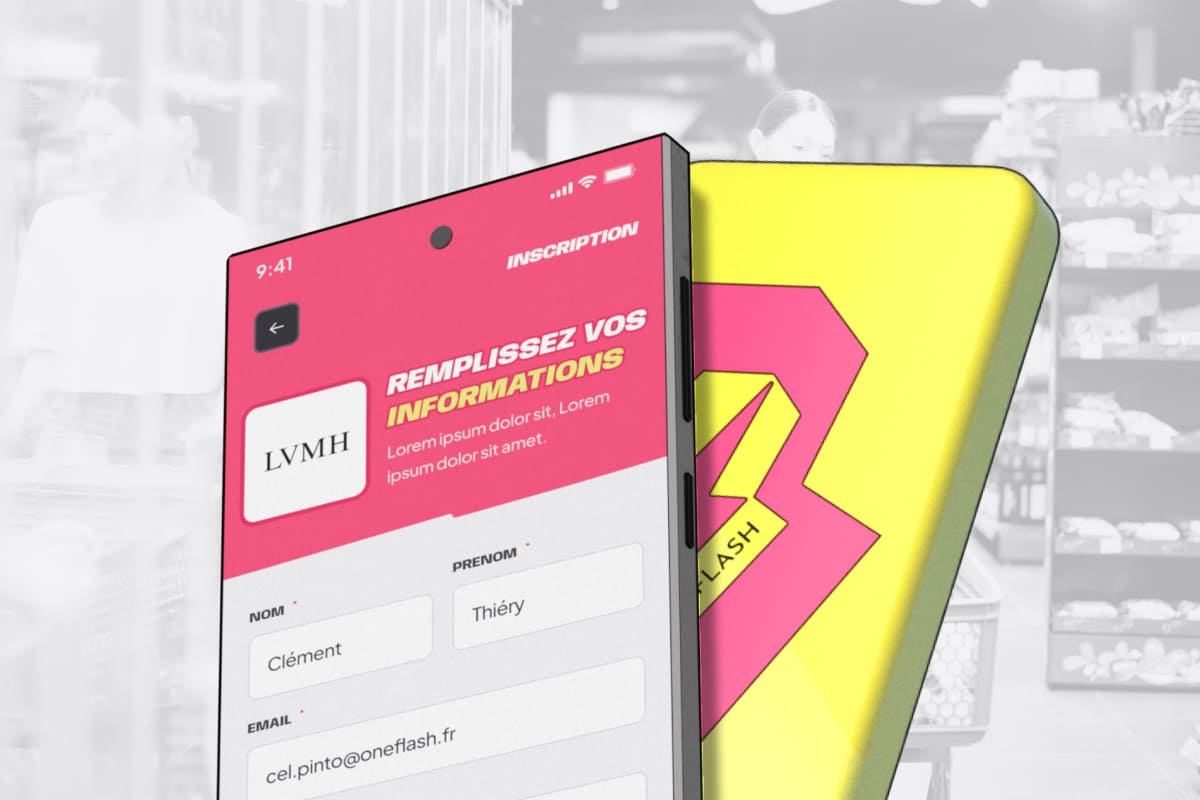
A good station is not just about supplying energy. The most advanced models include unlocking in a few seconds via QR code or contactless payment terminal, real-time tracking of power bank availability, and the option of visual customisation in the retailer's colours to showcase the service to visitors. Some stations go further with a touch screen able to relay marketing content or distribute gift cards, turning the charging moment into a genuine brand touchpoint.
Making sure the connections are compatible
Multi-device compatibility is an essential criterion. A truly useful station includes the main connectors on the market at the same time, namely USB Type-C for recent iPhones and the majority of high-end Android smartphones, Lightning for iPhones before the iPhone 15, and micro USB for older devices. This versatility guarantees that no visitor is left facing a service they cannot use, which is fundamental to offering a reliable, universal experience in a venue welcoming diverse audiences.
Practical tips for extending battery life
Beyond one-off charging, battery longevity depends largely on the habits adopted day to day.
Adopting optimal charging habits
How do you charge your phone faster and preserve its battery over time? The golden rule is to avoid full cycles. Should you charge your phone to 100 percent? The answer is clear: no, not systematically. Modern lithium-ion batteries last longer when kept between 20 and 80 percent charge. Plug your device in before it drops below 20 percent, and unplug it before it reaches 100 percent whenever possible. To speed up charging, switch on airplane mode, which cuts energy-hungry communications, and prefer a certified fast charger to a standard USB cable plugged into a computer. Also avoid charging your mobile in a hot environment, as heat is the battery's number one enemy.
Avoiding power-hungry apps
Some categories of apps use much more than others. 3D video games, GPS navigation tools, streaming apps and video conferencing software are the hungriest. A simple tip is to regularly check the usage statistics in your phone's settings to identify the most power-hungry apps. You can then limit their background activity or uninstall those you no longer need. Switching off location when you are not using it, lowering screen brightness and switching to dark mode on OLED screens are all small tricks that significantly extend battery life without changing anything about your essential uses.
In summary
What is the best way to charge your phone? The answer depends on your profile and context. A sedentary user will favour a good wall charger and moderate charging habits to preserve their battery. A frequent traveller will benefit from combining contactless mobile payment, spotting self-service charging stations in the main transit venues such as stations and airports, and buying prepaid credit online on platforms such as recharge.fr when travelling to another country. Either way, understanding the different charging methods, the payment options available and good battery practice will spare you many inconveniences. Mobile charging is a richer subject than it seems, and adopting the right reflexes will give you more comfort, battery life and peace of mind day to day.
Discover OneFlash, the European leader in self-service mobile charging!
Découvrez tout nos autres articles :
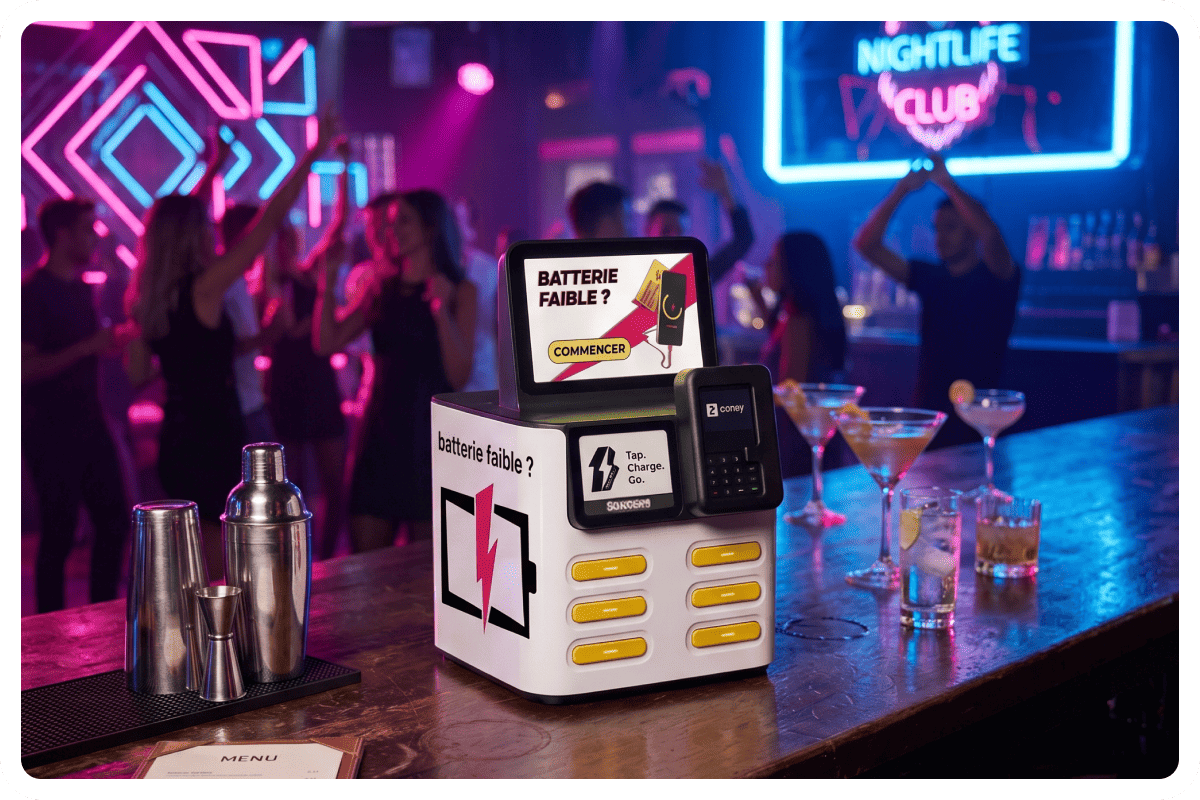
Self-service power banks: phone charging for bars and nightclubs
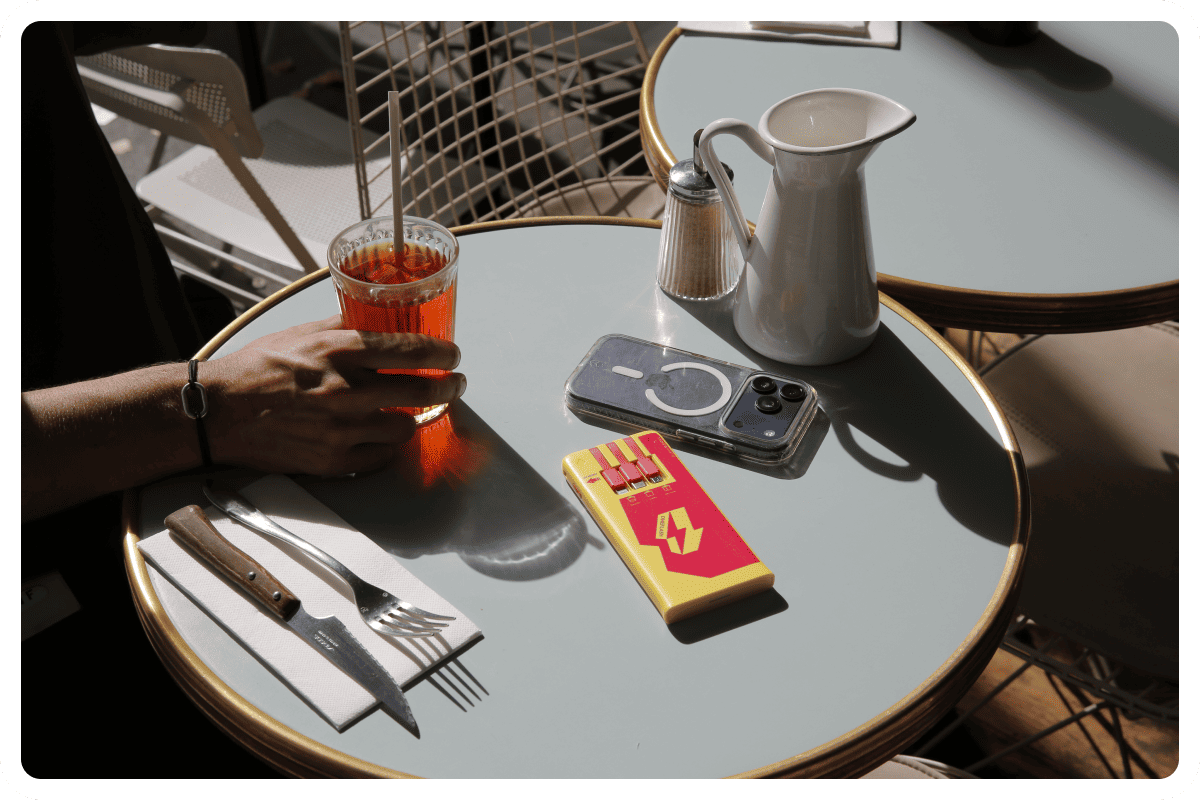
Standalone power bank station: phone charging at the restaurant
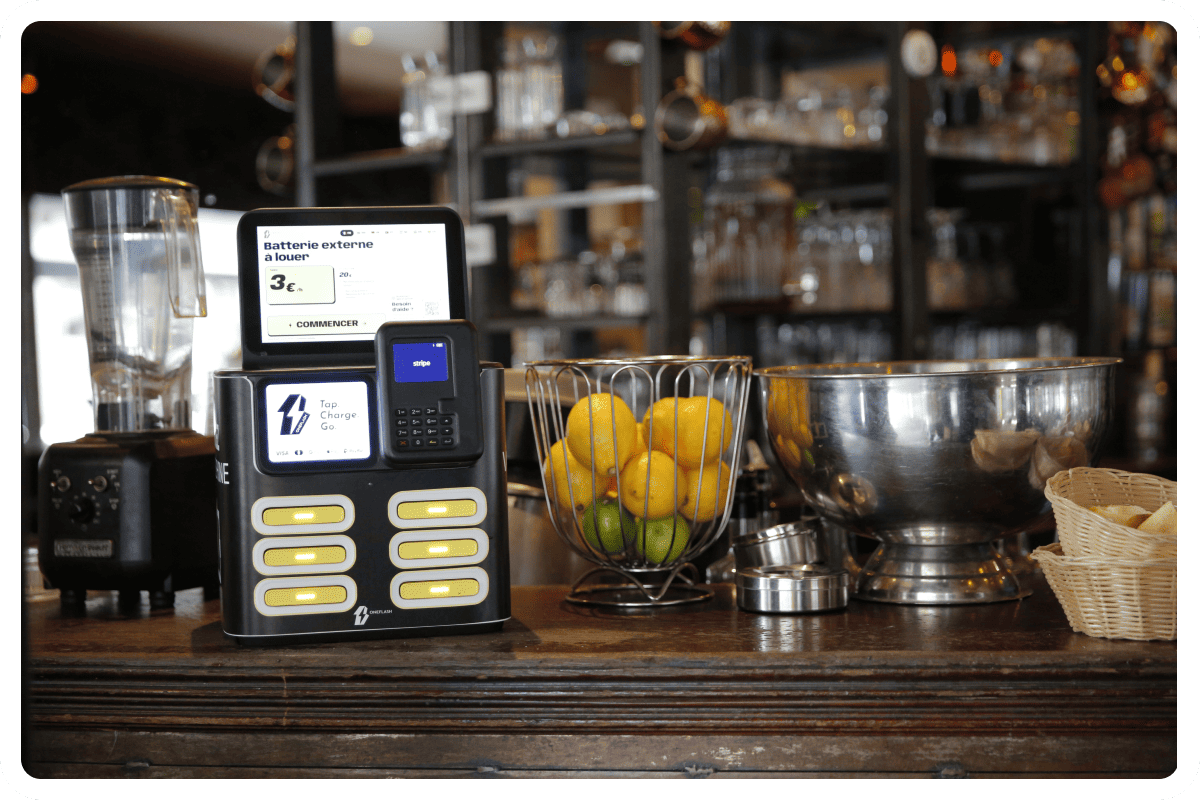
Customer loyalty in restaurants: bring guests back with phone charging
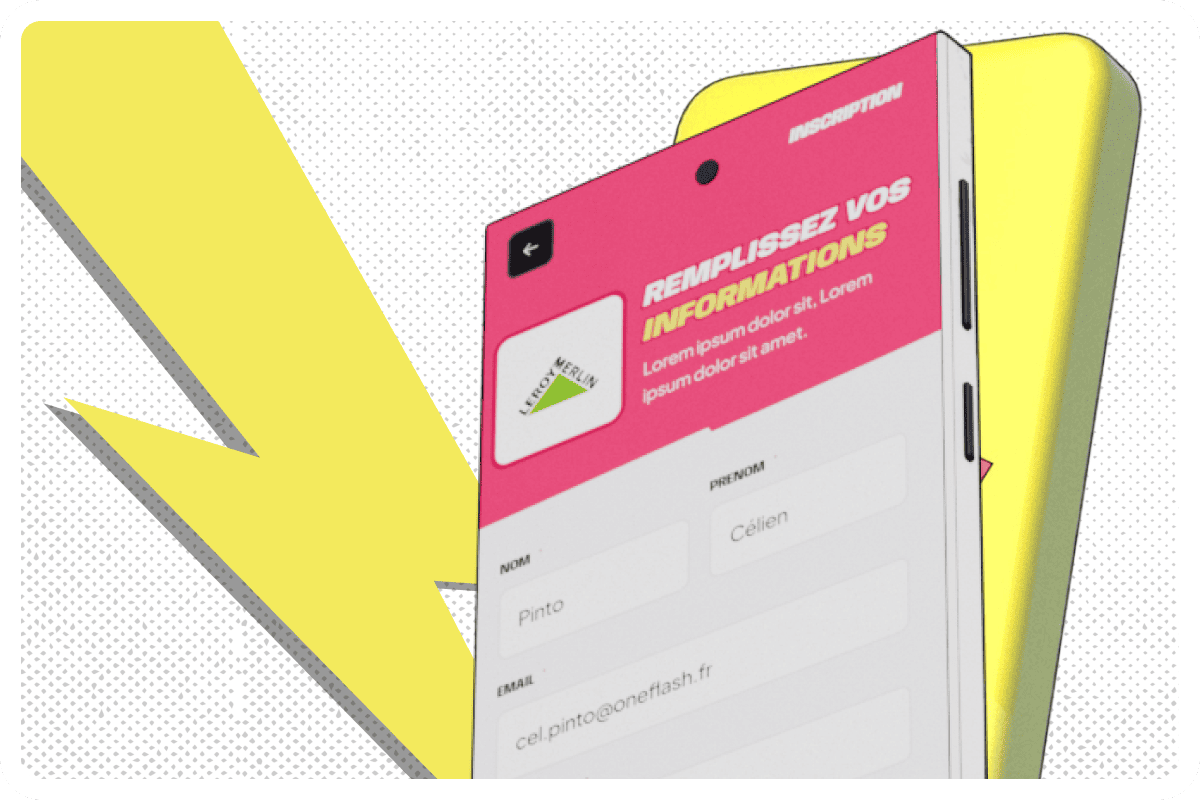
Customer knowledge: how to collect the right data
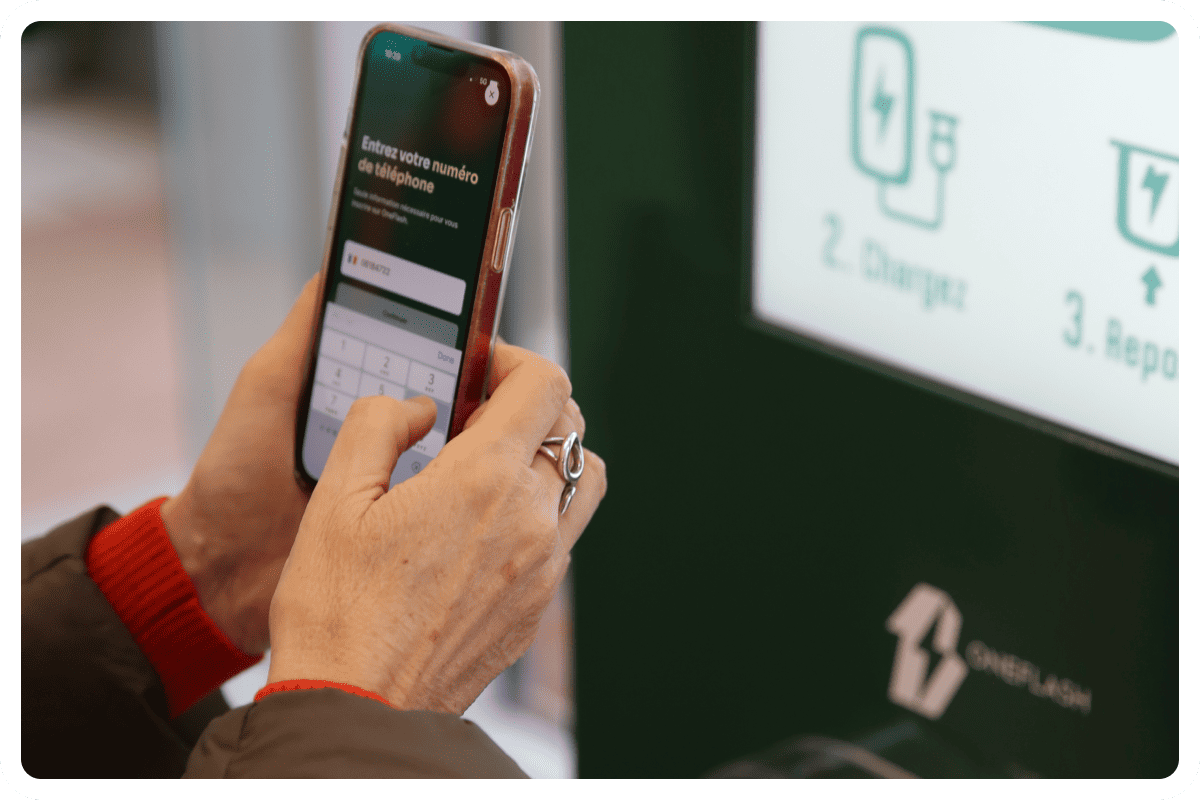
Marketing activation: turning every interaction into an engagement lever for your brand
.jpeg)
Phone lockers: the limits and the modern alternative
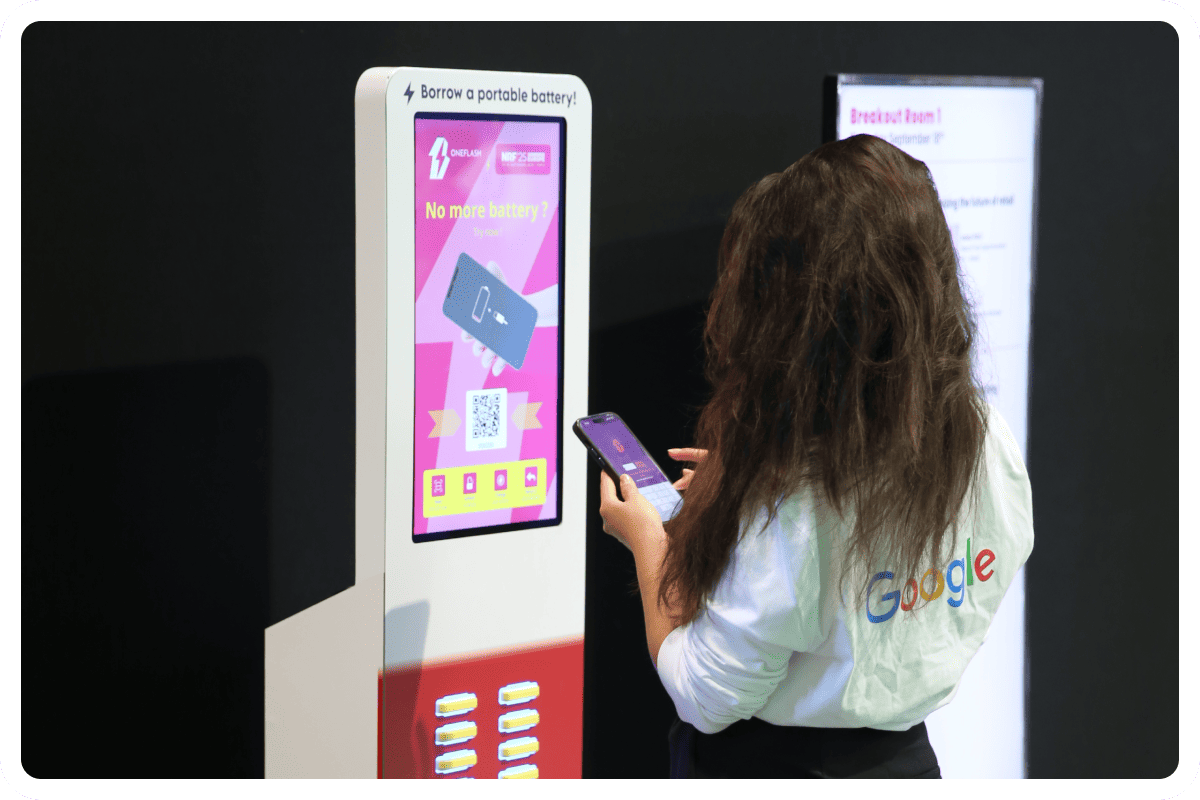
Charging stations in conference centres: equipping an event

Charging stations in theme parks: improving the visitor experience all day long
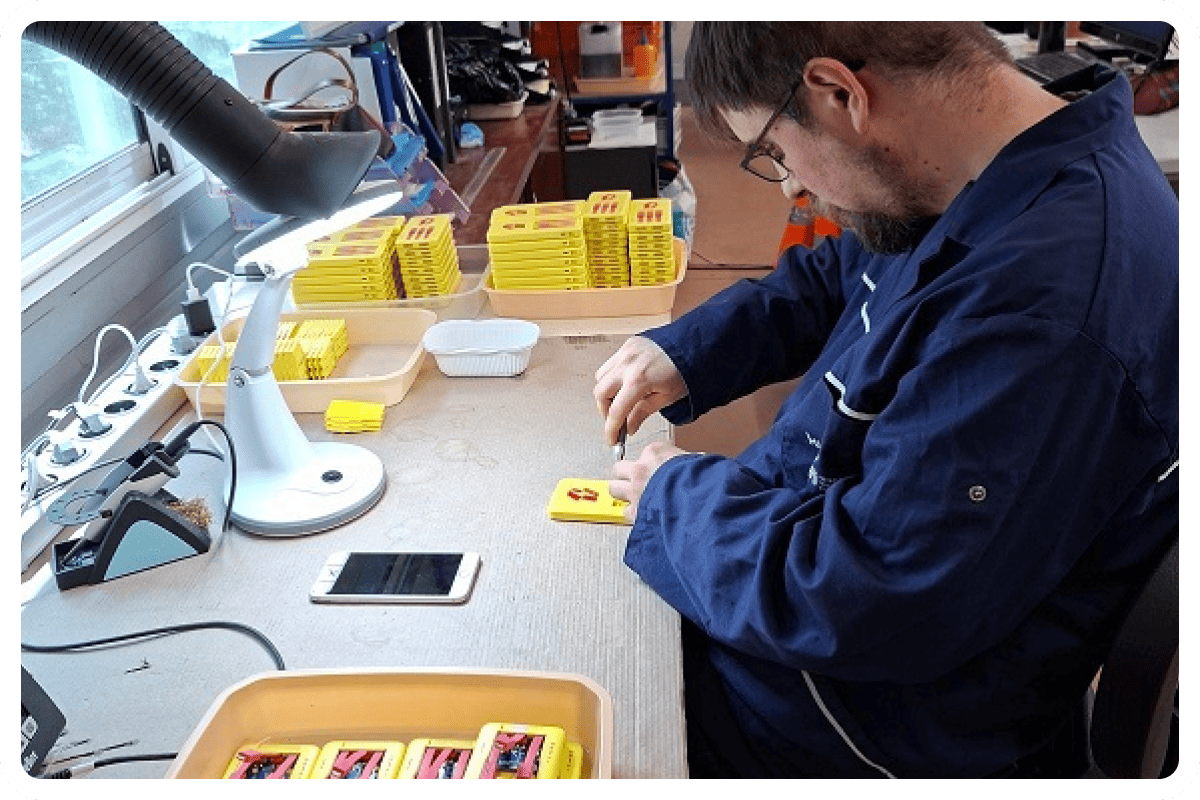
CSR approach: the mobile charging station, a concrete lever for businesses welcoming the public
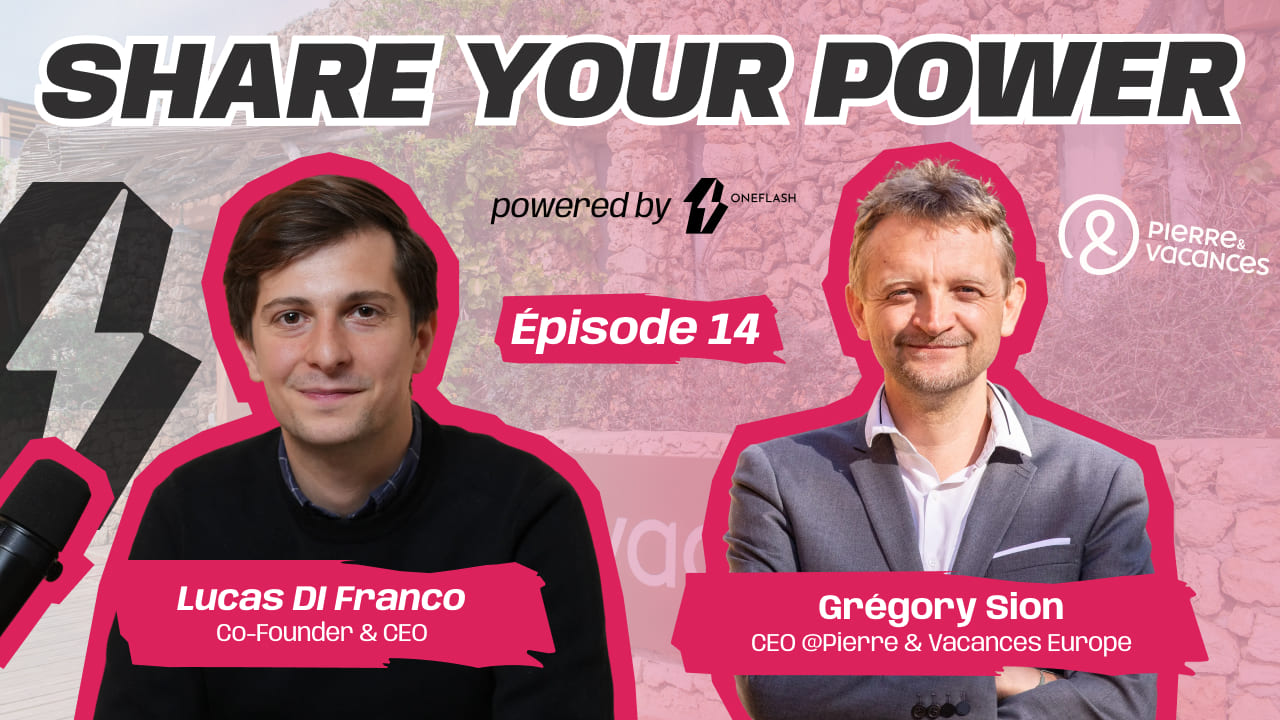
Grégory Sion (Pierre & Vacances): Share Your Power - Episode 14
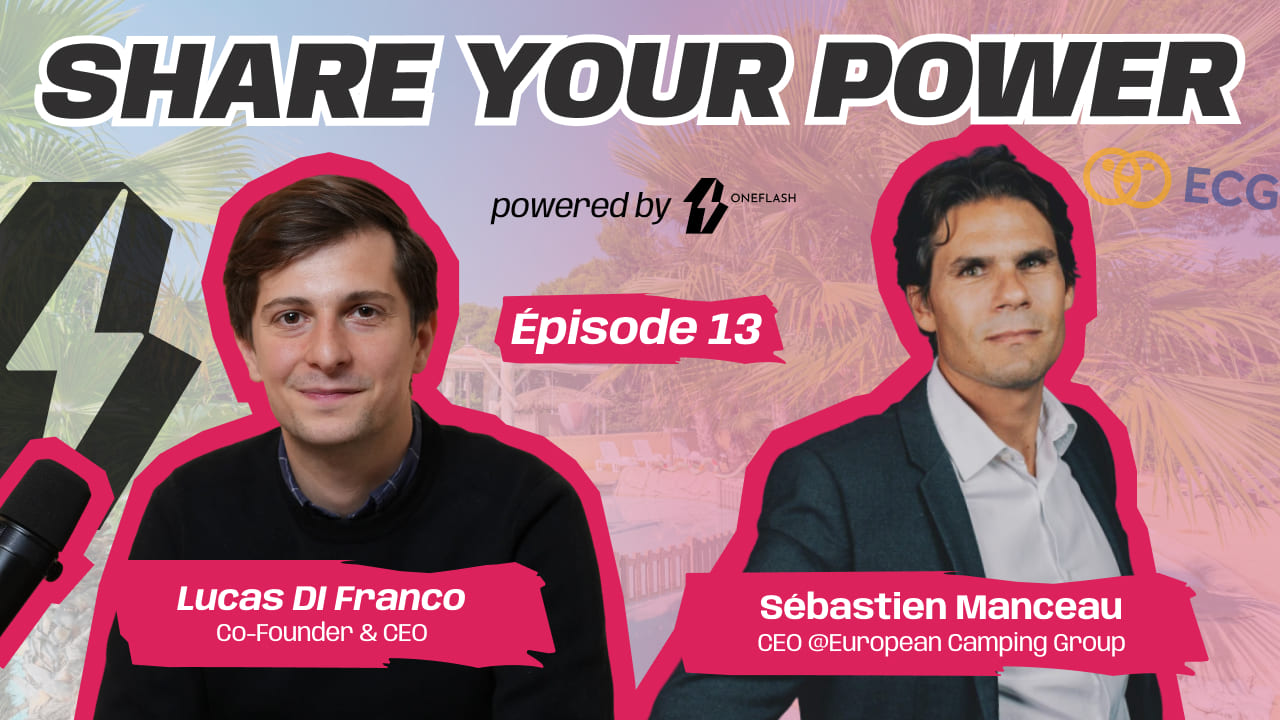
Sébastien Manceau (European Camping Group): Share Your Power - Episode 13
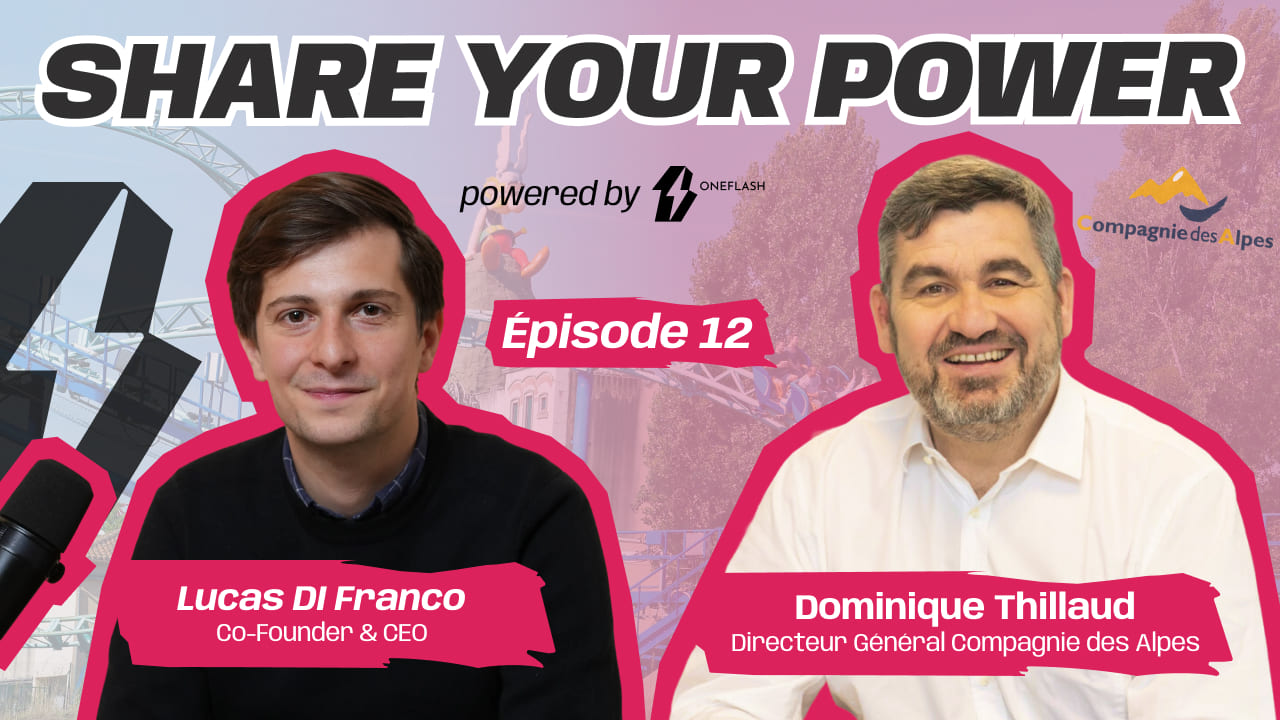
Dominique Thillaud (Compagnie des Alpes): Share Your Power - Episode 12
.jpeg)
Charging stations: the complete guide to choosing

Mike Hadjadj (La Retail Tech): Share Your Power - Episode 11
%2520(1).jpeg)
USB fast charging: the complete guide
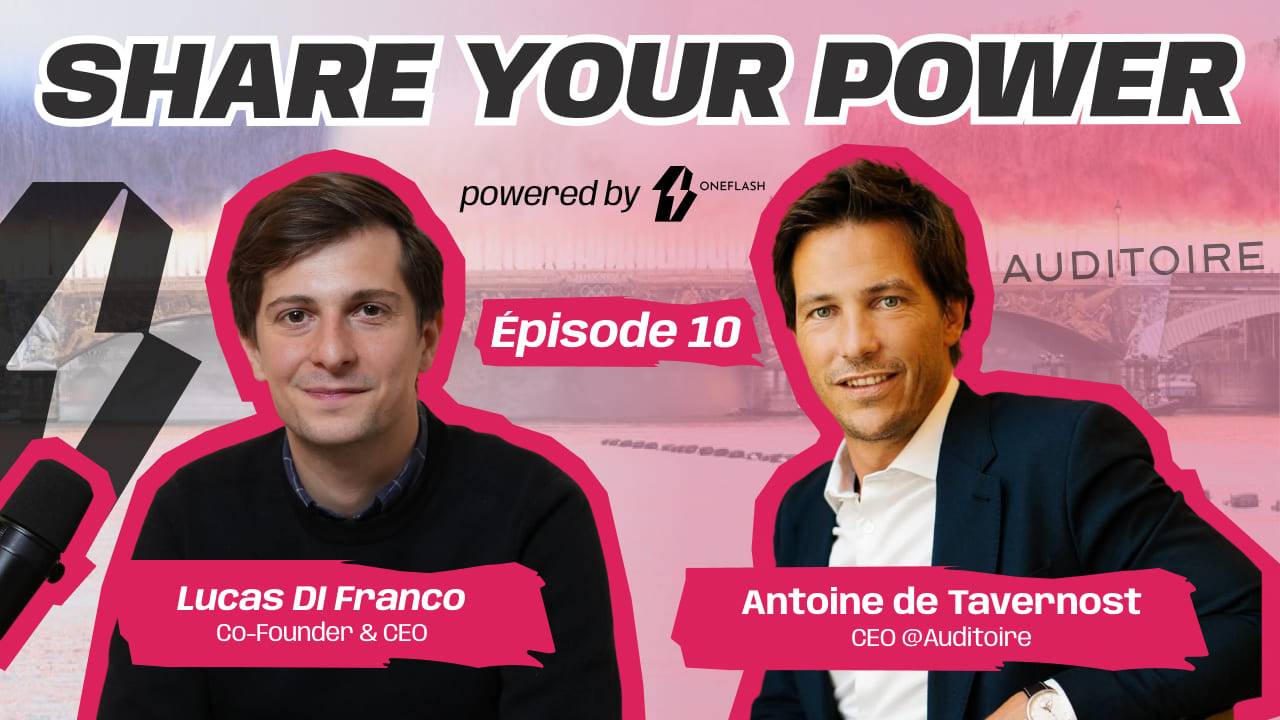
Antoine de Tavernost (Auditoire): Share Your Power - Episode 10
Charging station rental: the complete guide
Power banks for mobile devices: the complete guide
Phone charging in public places: wall sockets
Ask Jamy! How does a power bank work?
In-store customer experience tools: the levers to activate

Are portable power banks dangerous?
The best power bank station services