Ask Jamy! How does a power bank work?

A portable power bank seems like a very basic object. Yet it does a very precise job behind the scenes: it stores energy, secures it, then sends it back in the right format to charge your devices. Once you understand this mechanism, many worries disappear on their own, and you also see why, in a public venue, battery life quickly becomes a matter of customer experience.
A telling figure: according to a Talker Research survey of 2,000 people, many start looking for a way to charge as soon as their phone hits 38% battery.
Find out how the OneFlash network makes charging simpler here.
A portable power bank is not just “a big battery cell”
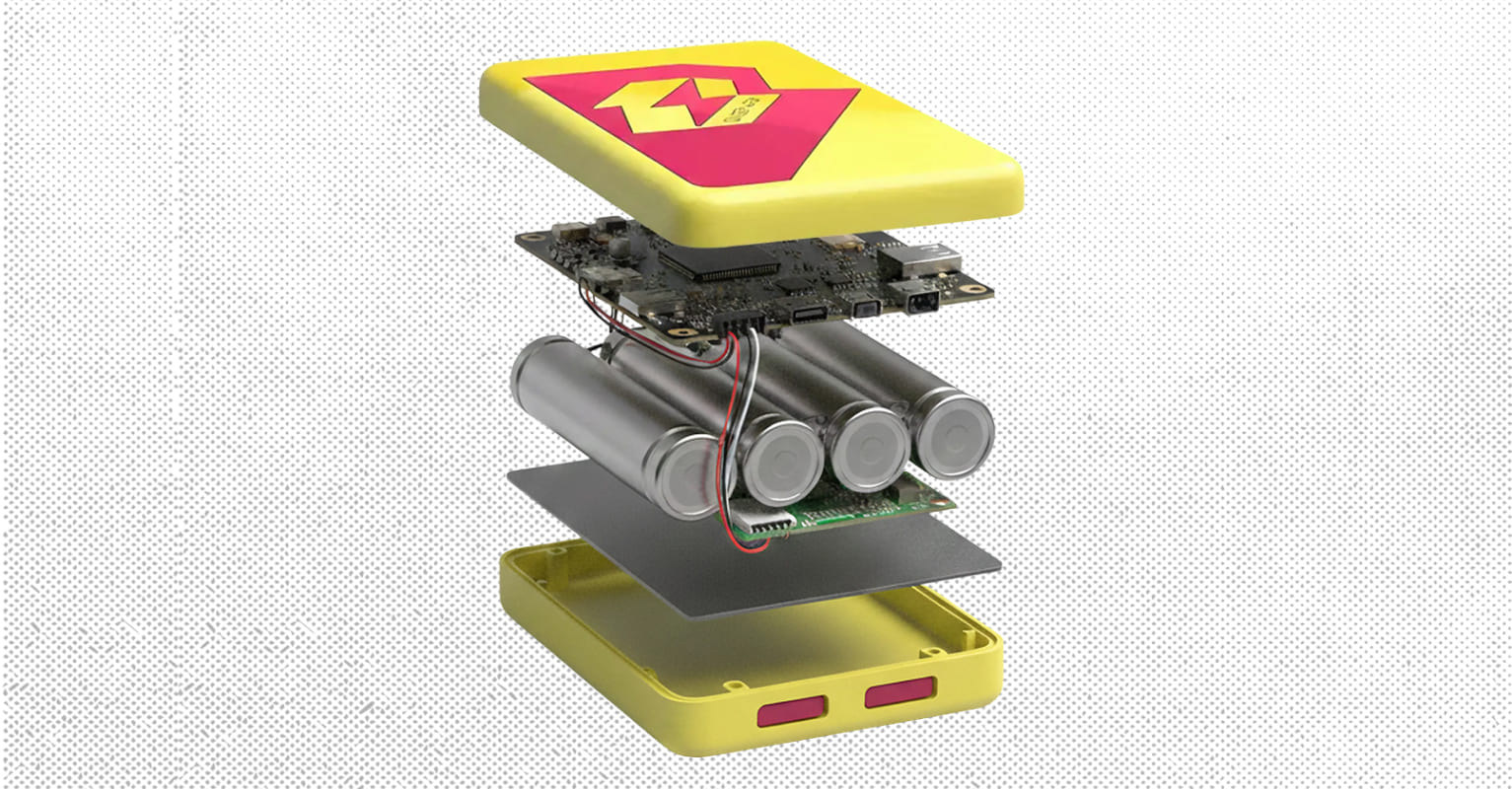
Inside, you have cells that store energy, but also electronics that run the whole thing. They prevent excess, monitor temperature and “cut off” if something goes wrong. In other words: the portable power bank does not just contain energy, it delivers it in a controlled way.
This matters, because a phone does not like variations. It needs a stable current, otherwise it charges badly... or protects itself by slowing down.
When you plug in your cable, who decides what?
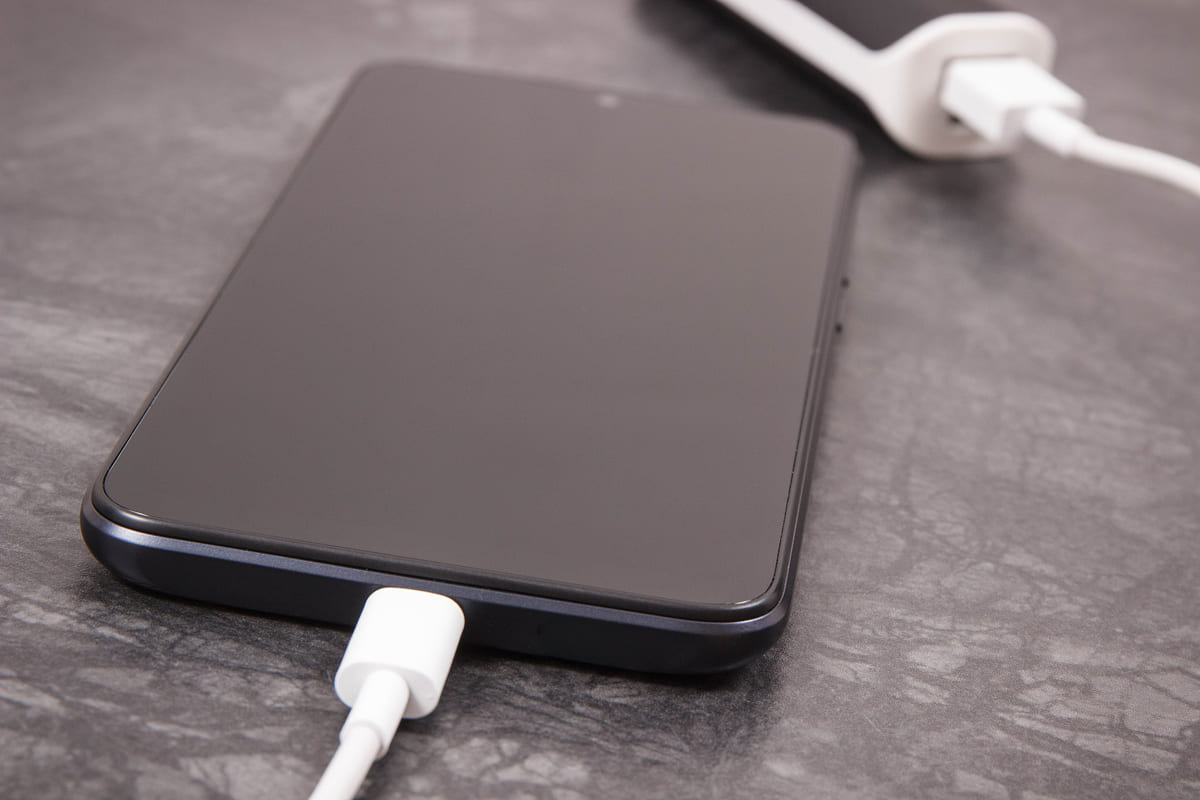
We often imagine the power bank pushing charge into the phone. In reality, it is closer to a dialogue: the phone says what it can accept and the power bank adapts.
That is also why two people can have a very different experience with the same portable power bank. If your phone is heavily used (very bright screen, GPS, video, unstable network), it consumes at the same time as it charges. It then feels like it is not charging, when in fact the energy is also being used to run the phone.
Stated capacity, perceived battery life: why they are not always the same
The figures on the box are useful... but they can be confusing. The stated capacity is what the cells can store. Between that stock and what actually reaches your phone, there is always some loss: the electronics convert the energy, the cable warms slightly, and the phone itself does not have perfect efficiency.
That is normal. A so-called serious portable power bank does not necessarily “lie”: it converts, it protects, and these steps have a cost. The right reflex is therefore to read the capacity as a range of battery life, not as a guaranteed number of charges to the exact figure.
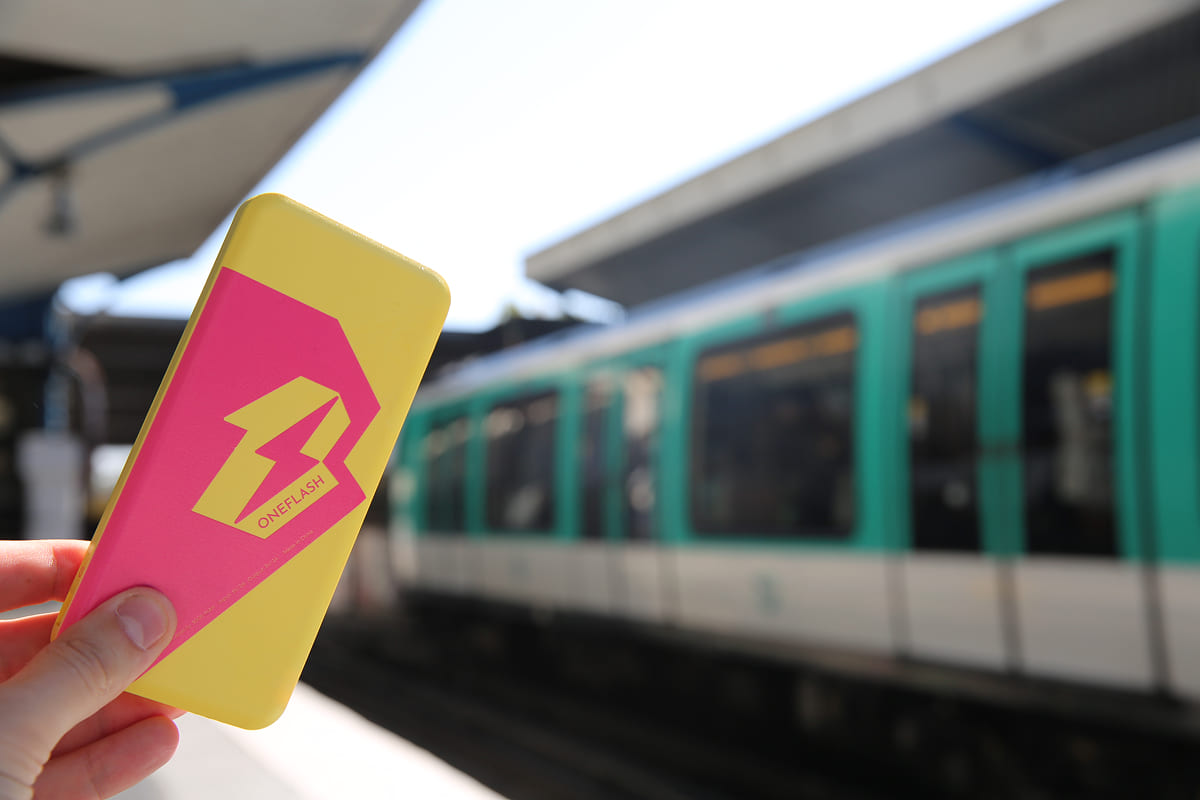
Heat, safety, reliability: what should reassure you
A portable power bank can get warm, especially if you charge fast, the phone is used at the same time or the environment is hot. What matters is the behaviour: moderate, stable warmth is common; strong, unusual heat, or heat accompanied by odours, is not normal.
Without going into the datasheet, you can remember three simple ideas:
- A reliable portable power bank is one that monitors and limits; in short, it filters.
- Quality is often visible in the clarity of the information (power, inputs/outputs, identifiable brand, compliance).
- Heat is enemy number one: a portable power bank left in the sun or behind a window will age faster.
And this is where the subject goes beyond the personal sphere. In a point of sale, a waiting room or an event, the phone is not a gadget: it is a means of payment, a QR code, a photo, a confirmation, sometimes even a ticket. When visitors reach that famous threshold where they start looking for a way to charge, your journey can break off sharply.
To learn more about the myths around the dangers of a power bank, read our article on the subject here.
That is why more and more brands are rolling out a mobile charging solution like OneFlash: not to be nice, but to stop the customer dropping off at the wrong moment. And when the aim is not to tie people to a socket, a self-service power bank becomes a practical option: you help out without blocking foot traffic or tying up your teams.
Contact us to equip your venue with a phone charging solution!
Discover OneFlash, the European leader in self-service mobile charging!
Découvrez tout nos autres articles :
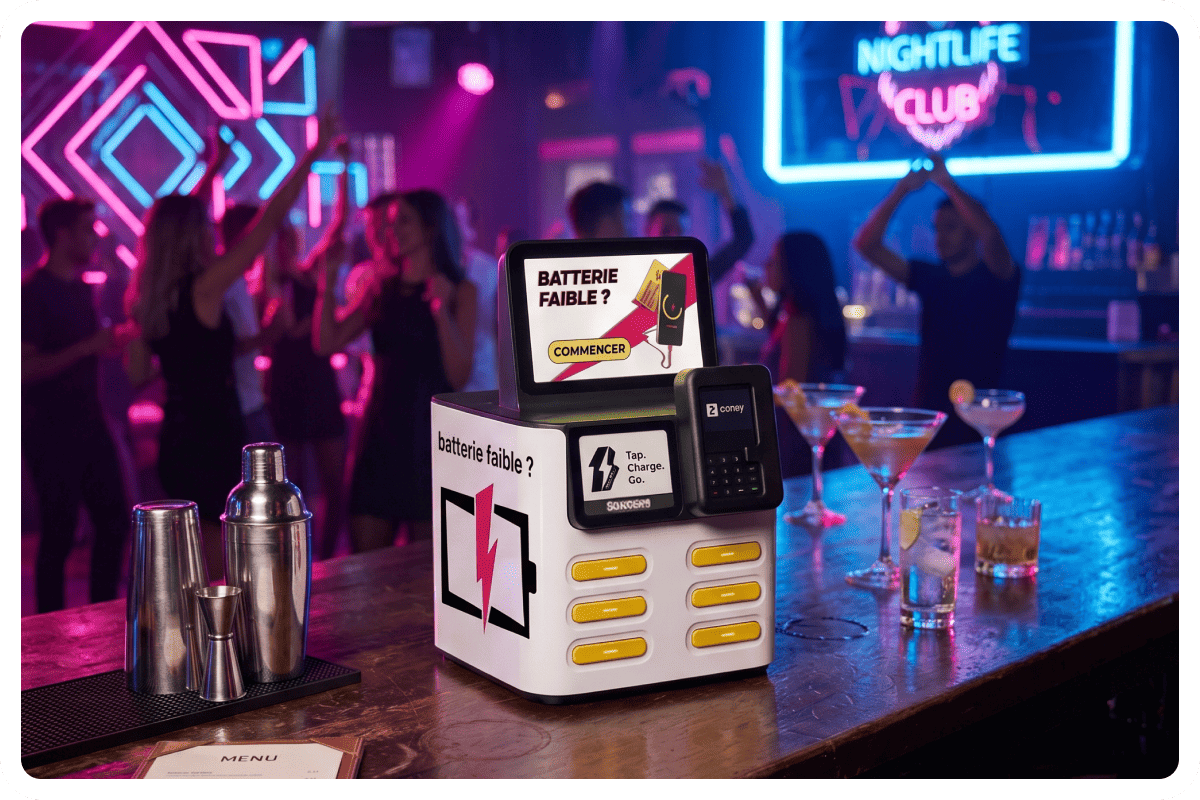
Self-service power banks: phone charging for bars and nightclubs

Standalone power bank station: phone charging at the restaurant
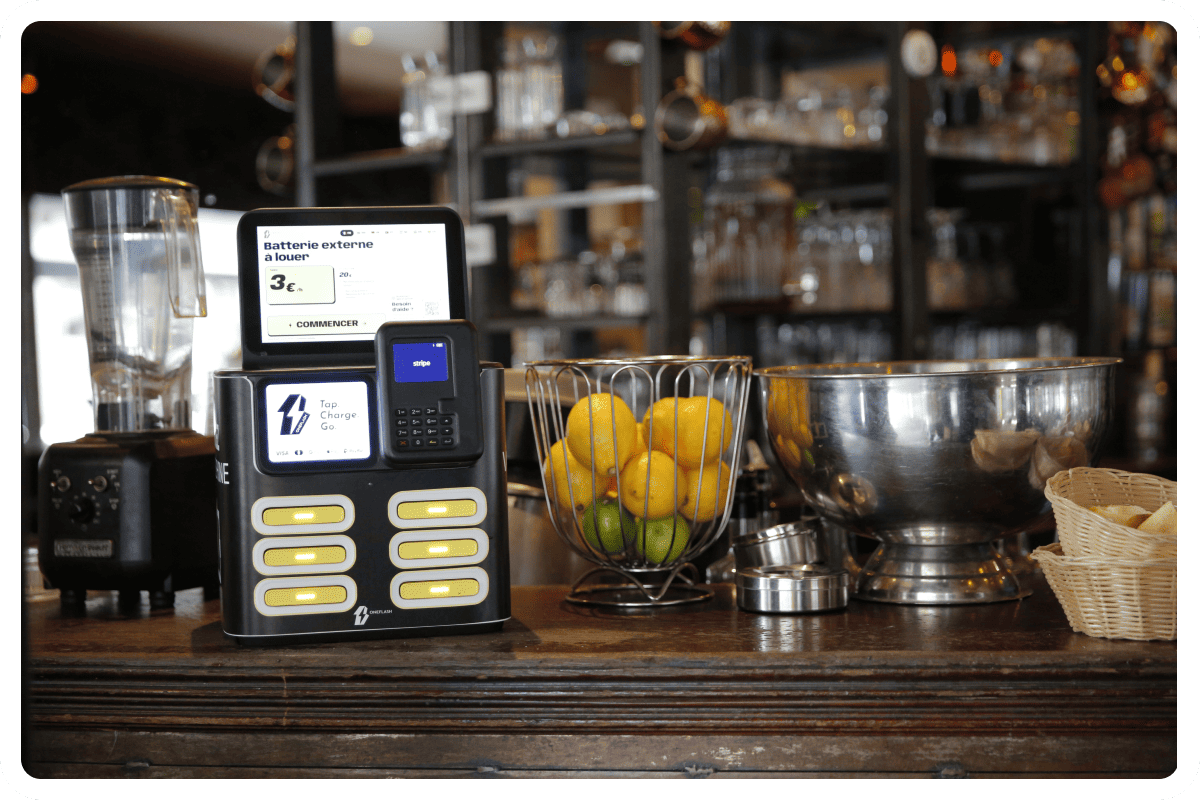
Customer loyalty in restaurants: bring guests back with phone charging
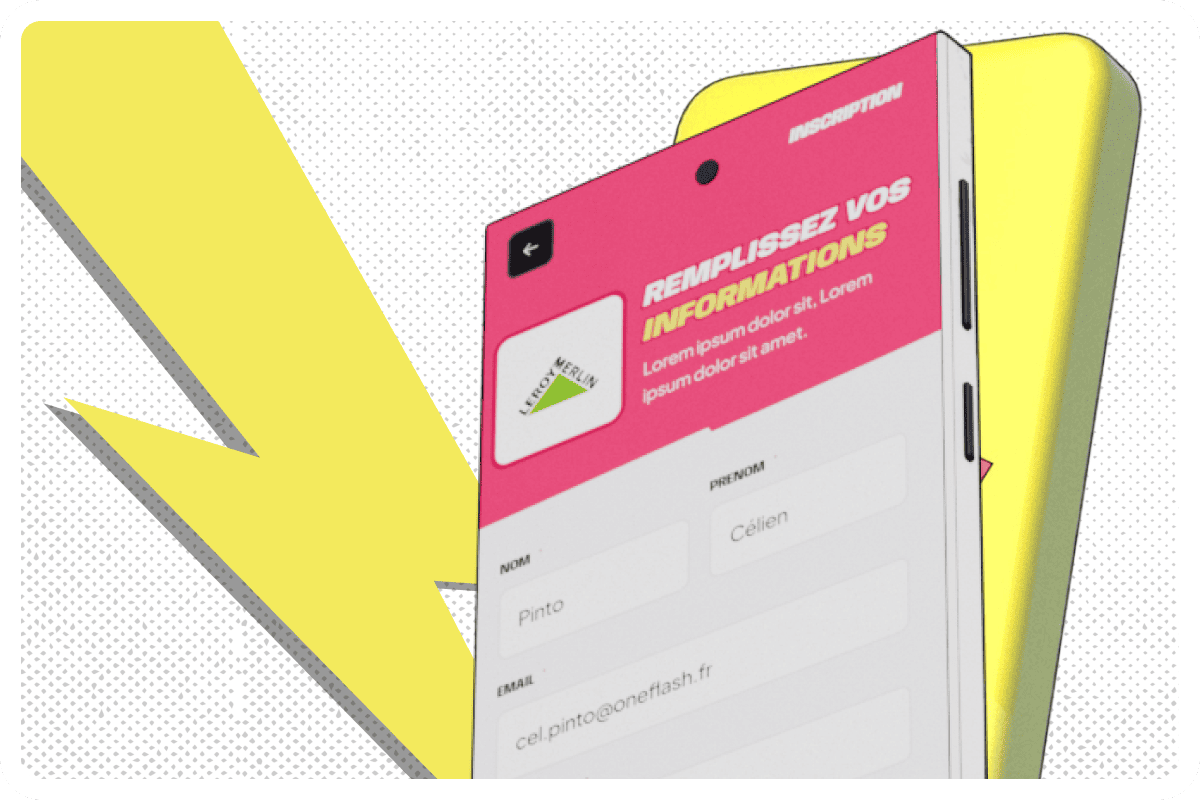
Customer knowledge: how to collect the right data
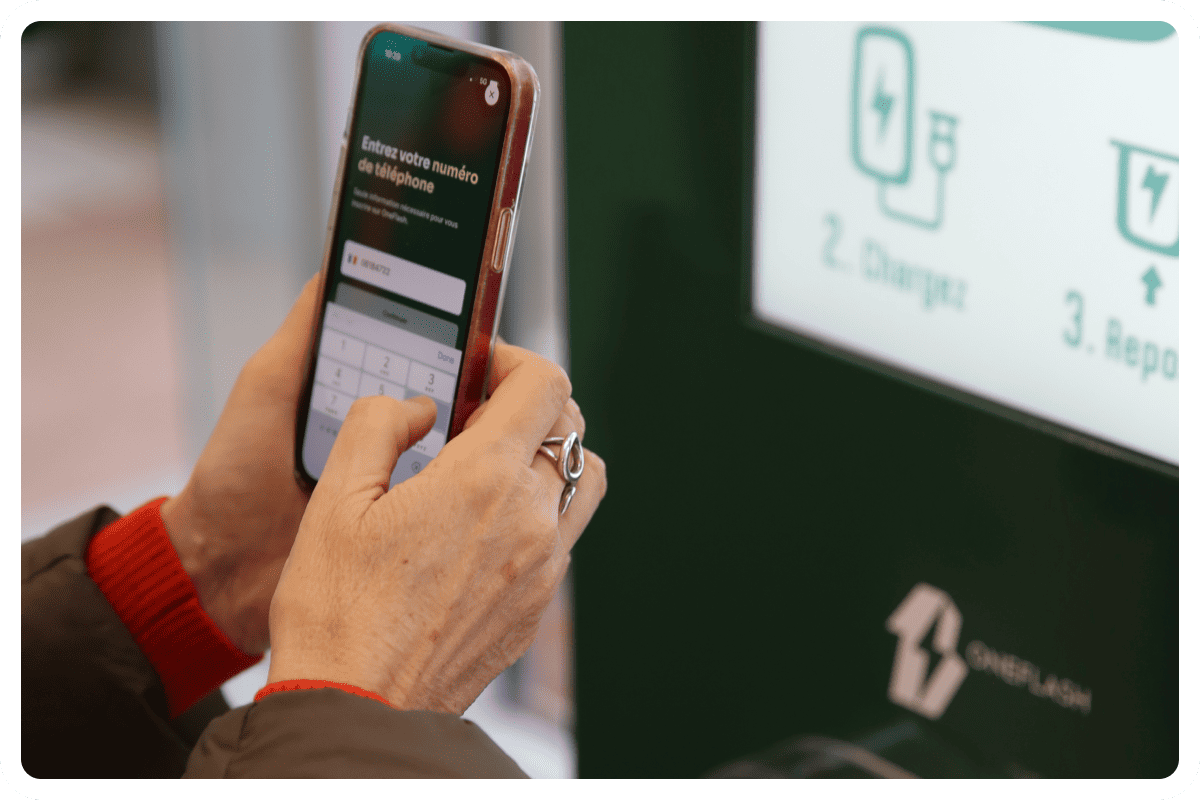
Marketing activation: turning every interaction into an engagement lever for your brand
.jpeg)
Phone lockers: the limits and the modern alternative
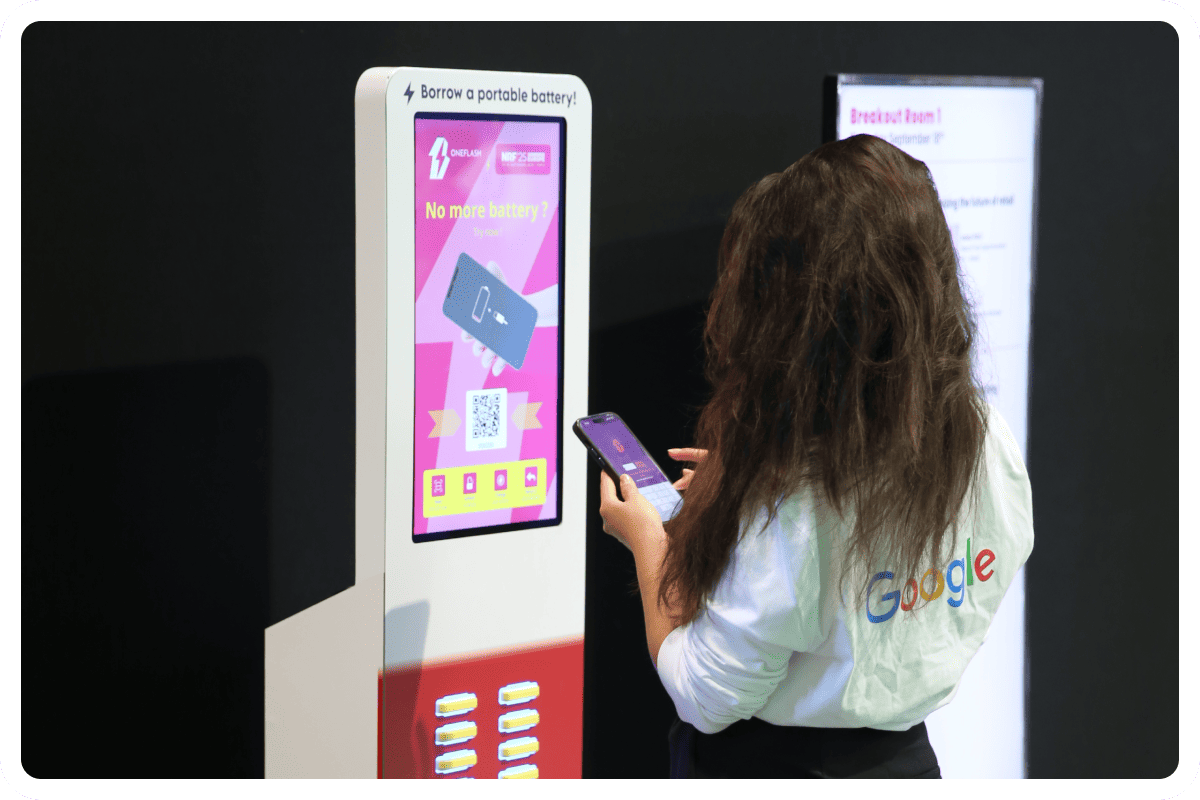
Charging stations in conference centres: equipping an event

Charging stations in theme parks: improving the visitor experience all day long
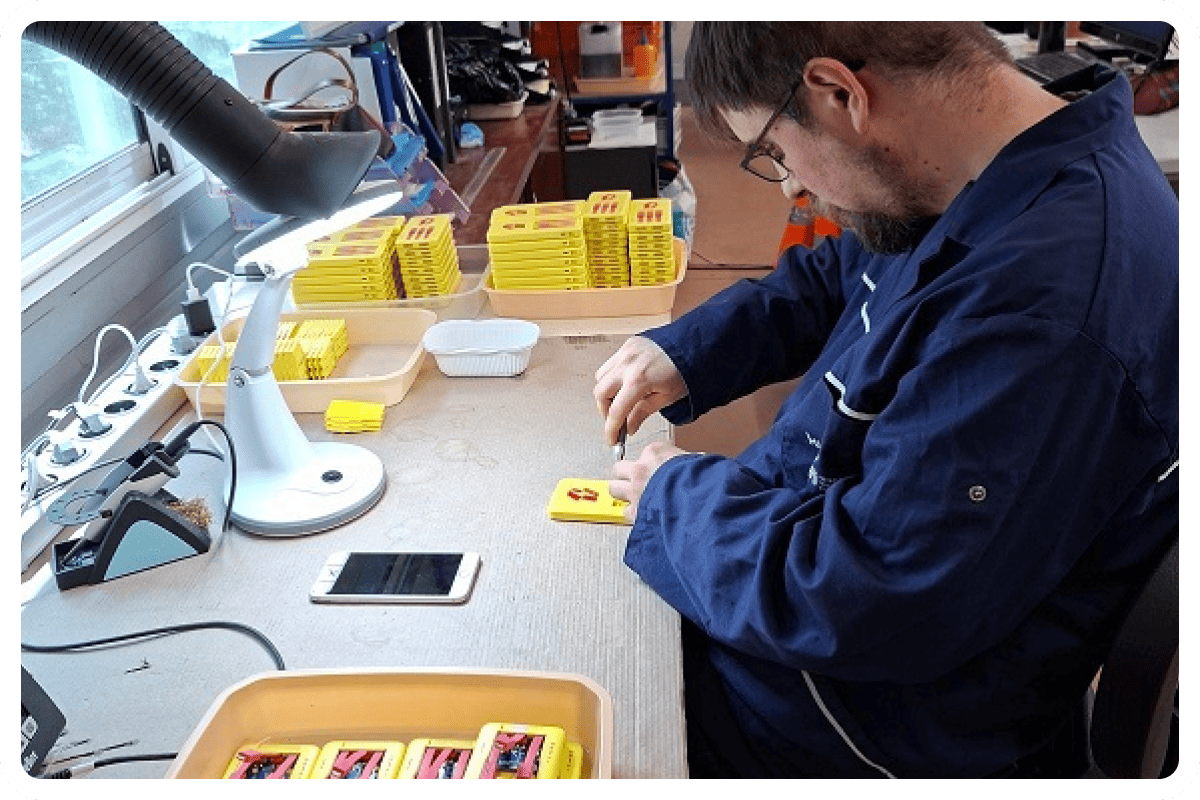
CSR approach: the mobile charging station, a concrete lever for businesses welcoming the public
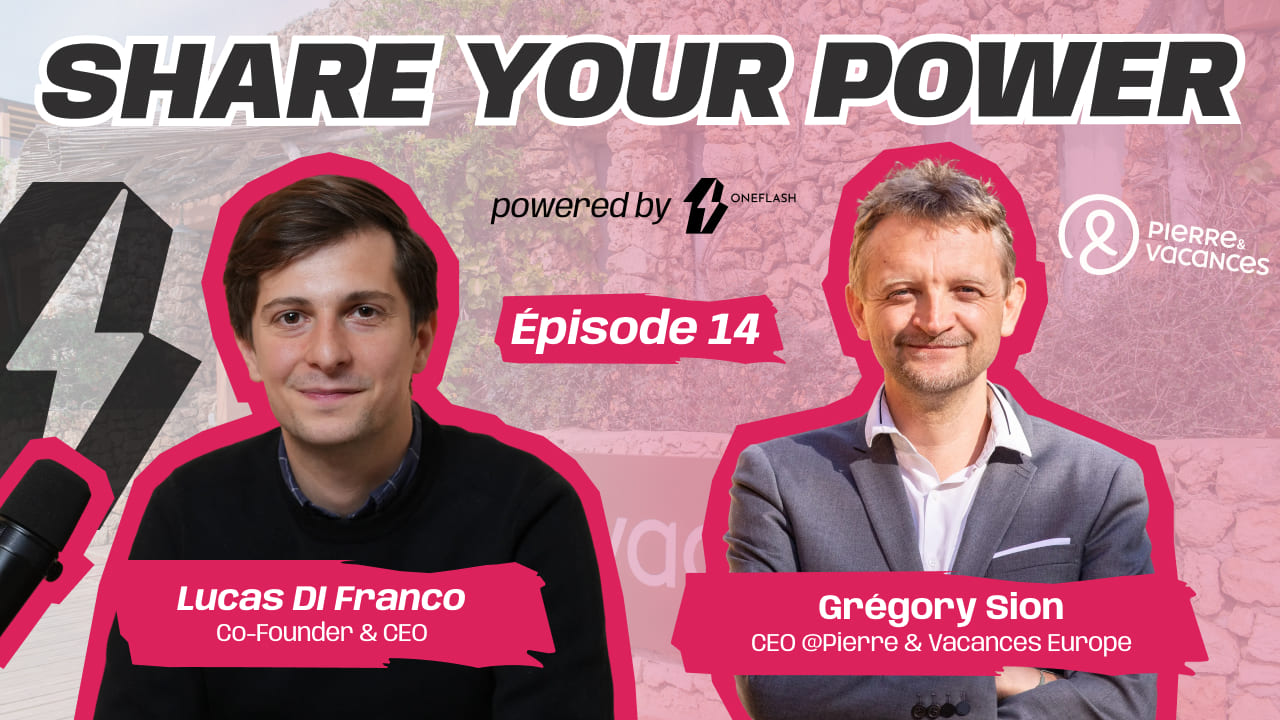
Grégory Sion (Pierre & Vacances): Share Your Power - Episode 14
Sébastien Manceau (European Camping Group): Share Your Power - Episode 13
Mobile charging: every way to charge your phone easily
Dominique Thillaud (Compagnie des Alpes): Share Your Power - Episode 12
.jpeg)
Charging stations: the complete guide to choosing

Mike Hadjadj (La Retail Tech): Share Your Power - Episode 11
%2520(1).jpeg)
USB fast charging: the complete guide
Antoine de Tavernost (Auditoire): Share Your Power - Episode 10
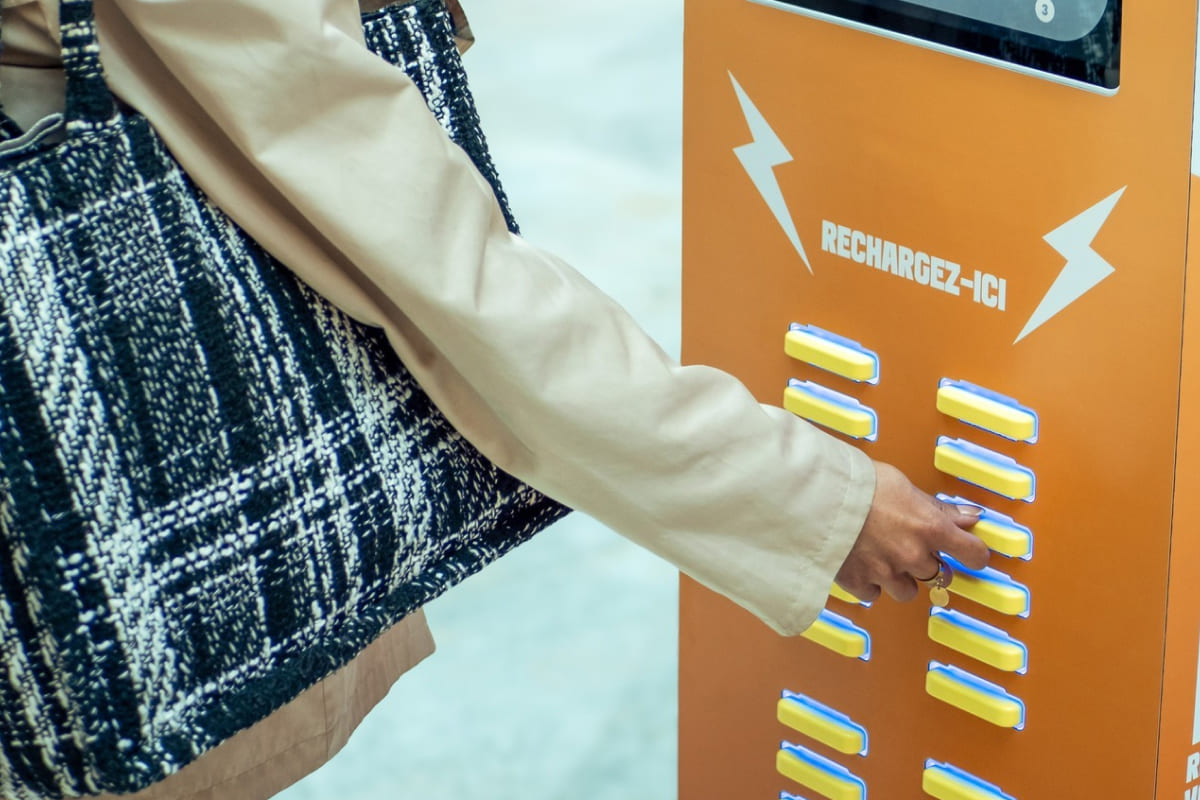
Charging station rental: the complete guide
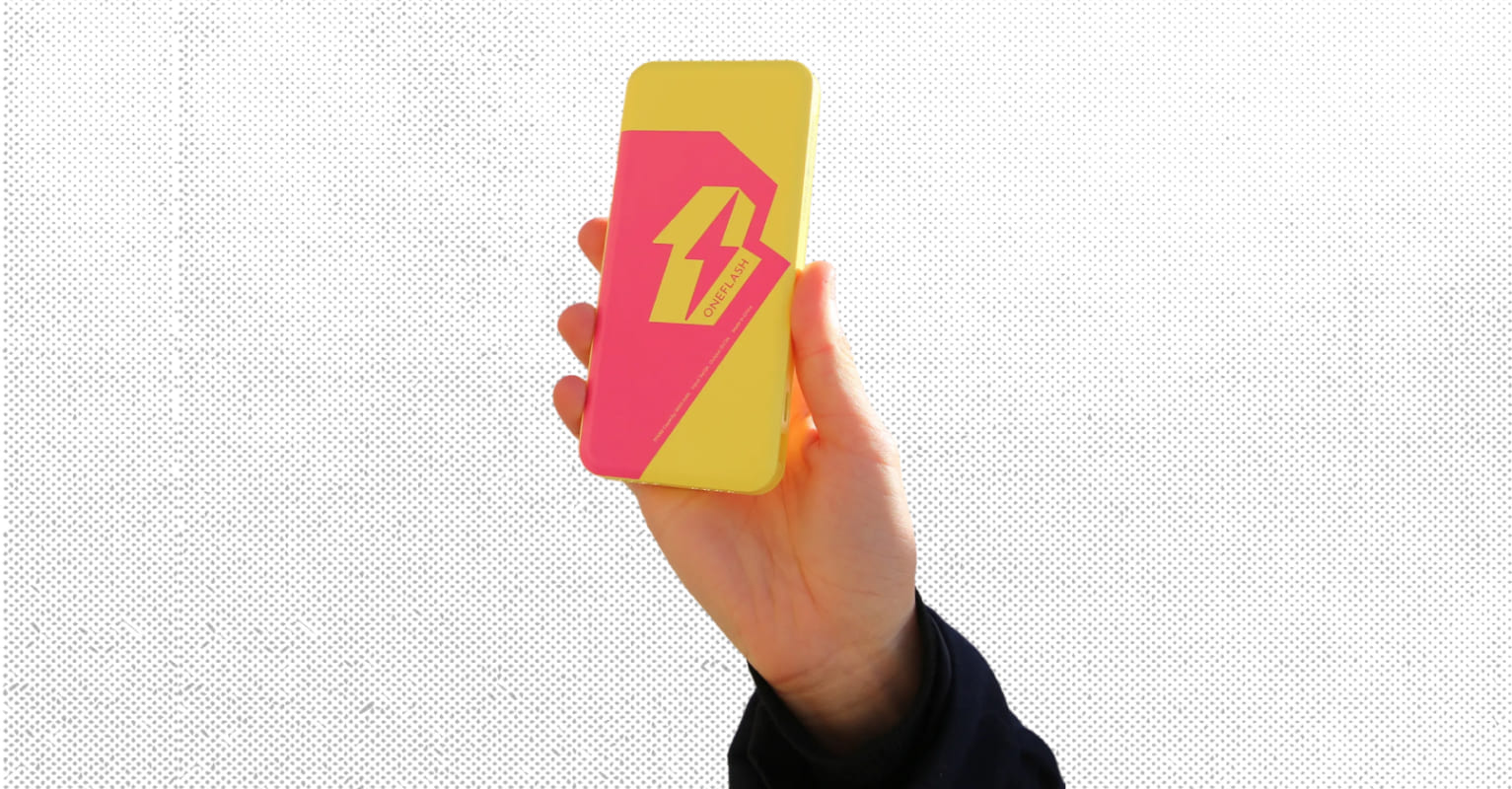
Power banks for mobile devices: the complete guide
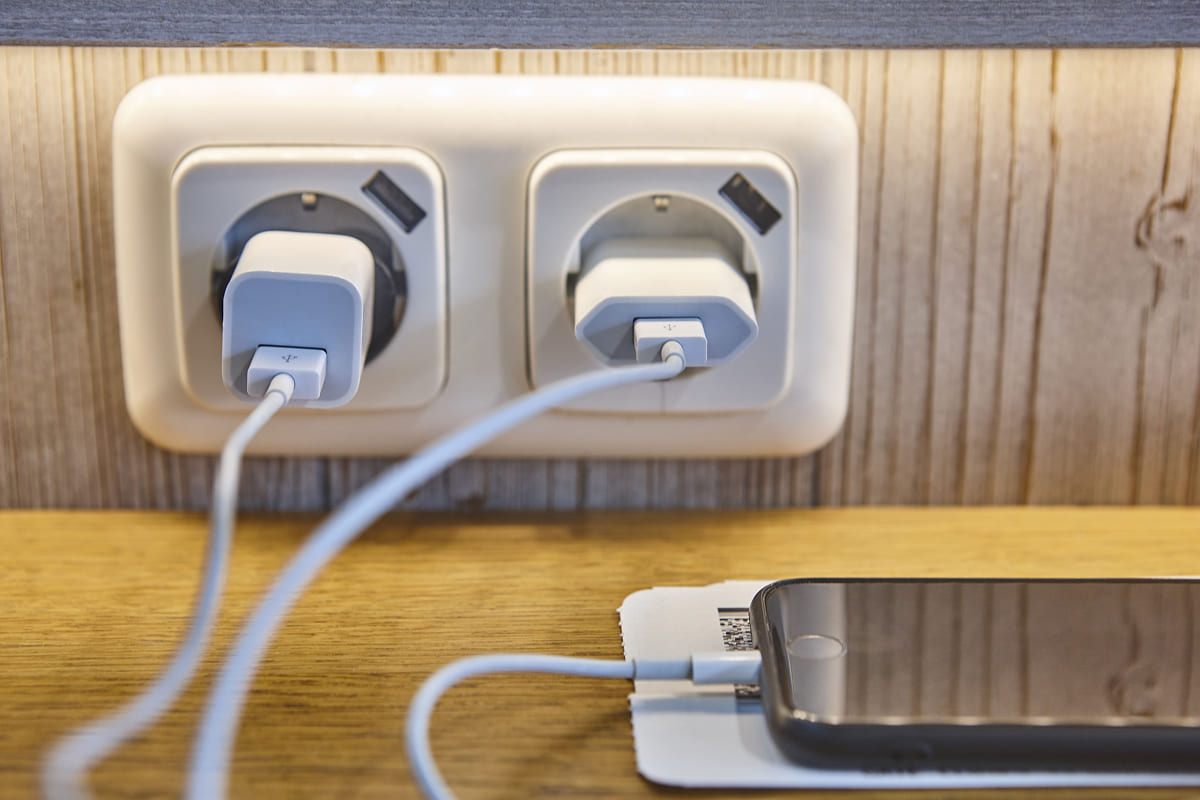
Phone charging in public places: wall sockets

In-store customer experience tools: the levers to activate

Are portable power banks dangerous?
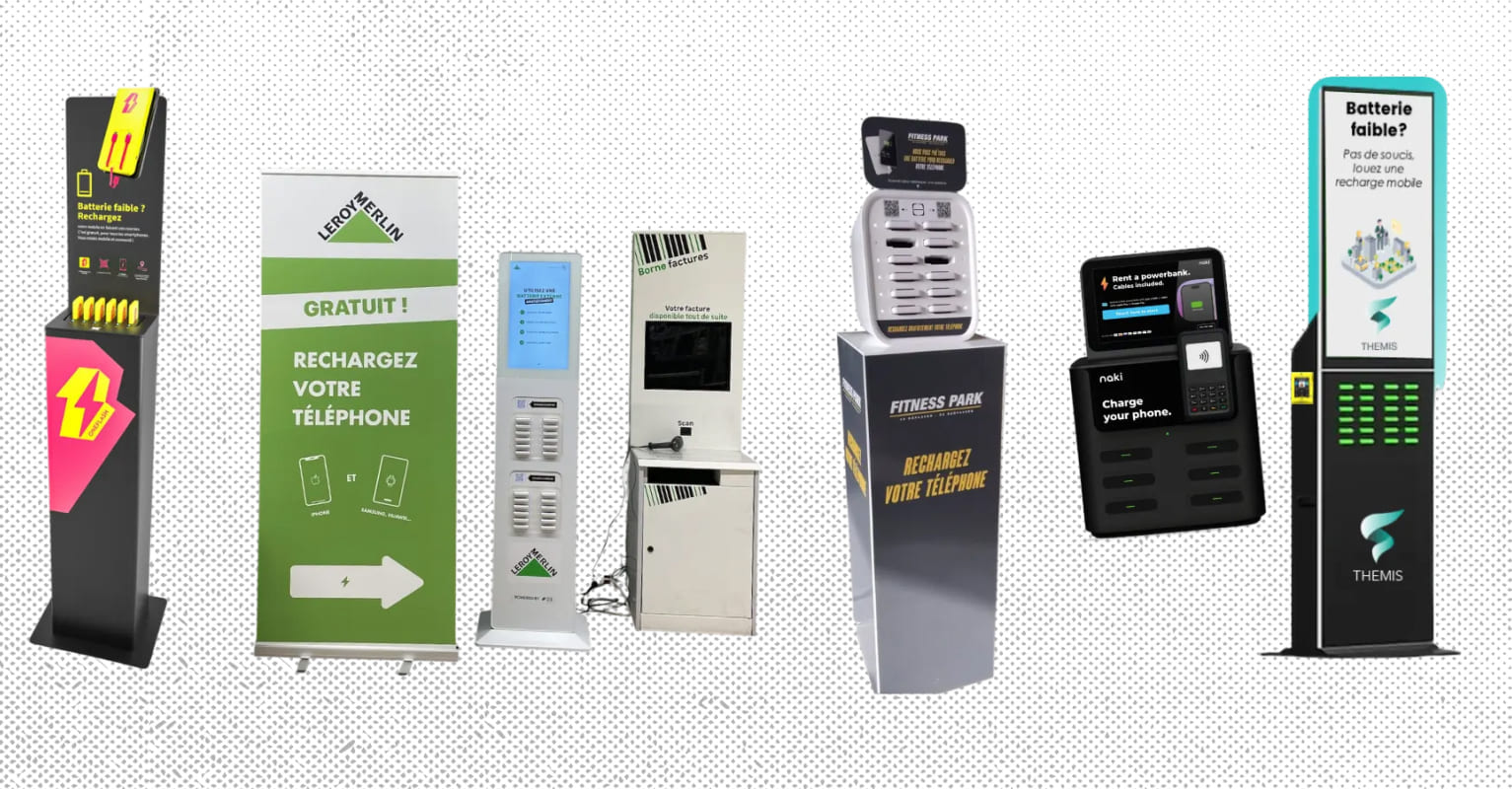
The best power bank station services