The best power bank station services
Your customers live on their phones. When the battery drops below 10%, the customer experience suffers and you lose attention, time on site... even sales. Hence the value of installing a reliable phone charging station service in your venues.
But among the different power bank station players (OneFlash, Naki, Nono, Keewai, Peebeez, Plug'Heur...), how do you know which is really the best for you?
How do you compare power bank station services?
Before looking at the players one by one, a few simple criteria for comparing phone charging solutions:
- The user experience: app or no app, speed of taking / returning the power bank, built-in cables, charging quality.
- The offer: turnkey installation, support, ability to manage several sites, customisation for your brand.
- Impact: a service seen as modern, eco-responsible, in line with your positioning.
Keep these three points in mind as you read on: they bring out quite naturally the difference between power bank rental offers.
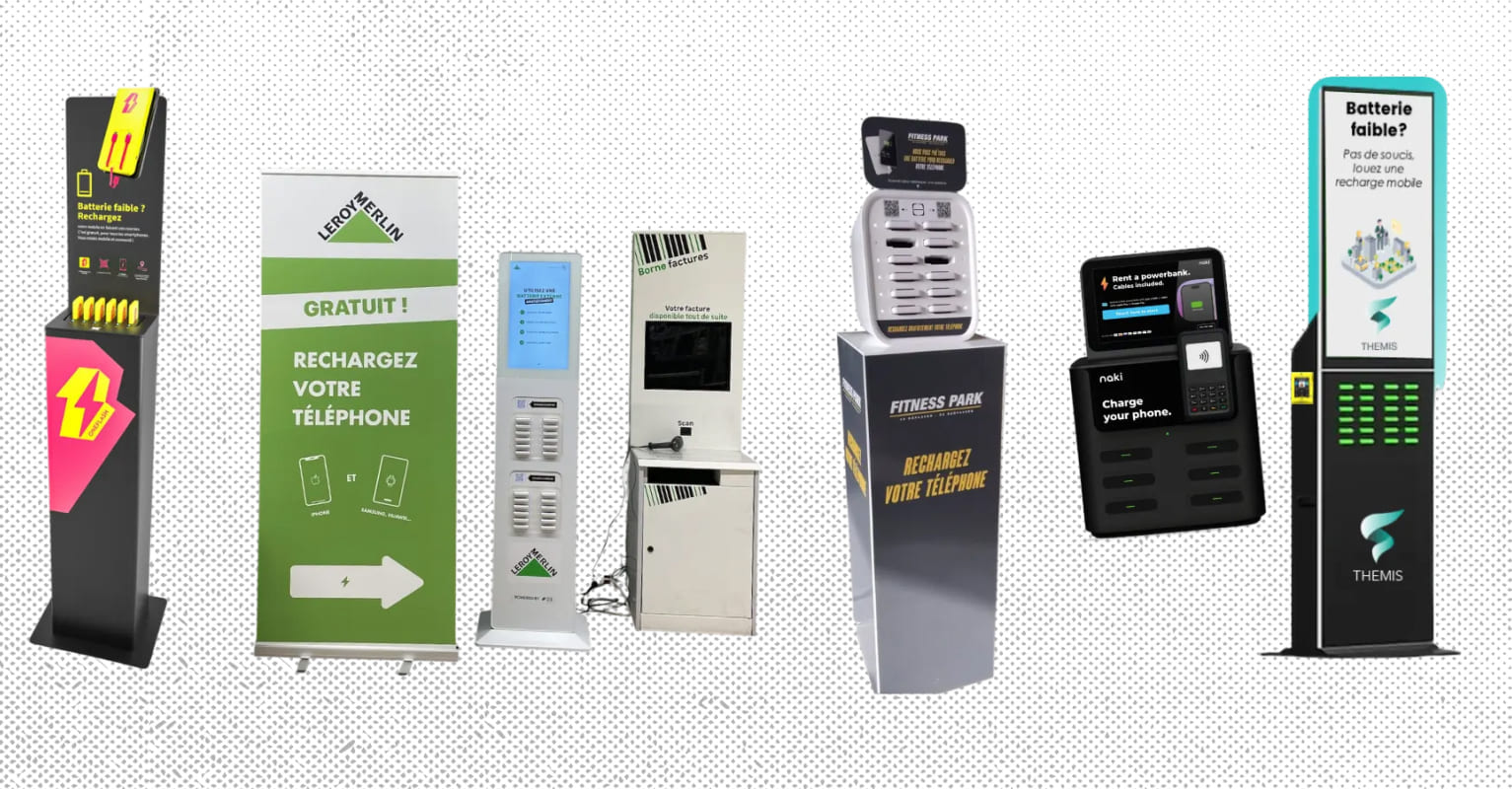
1. OneFlash: the phone charging station designed for venues open to the public
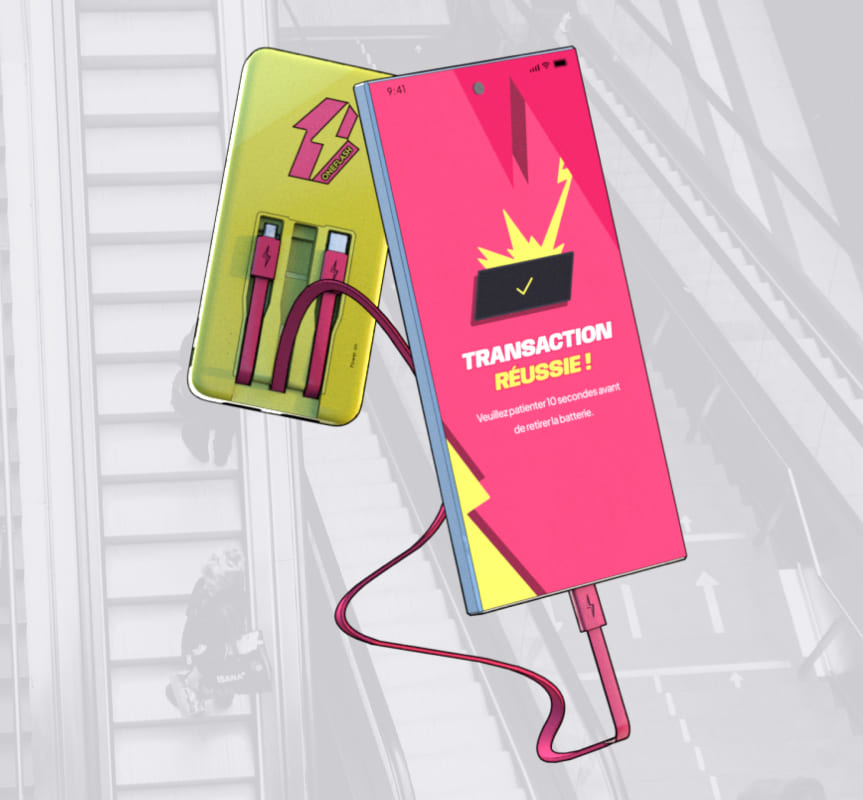
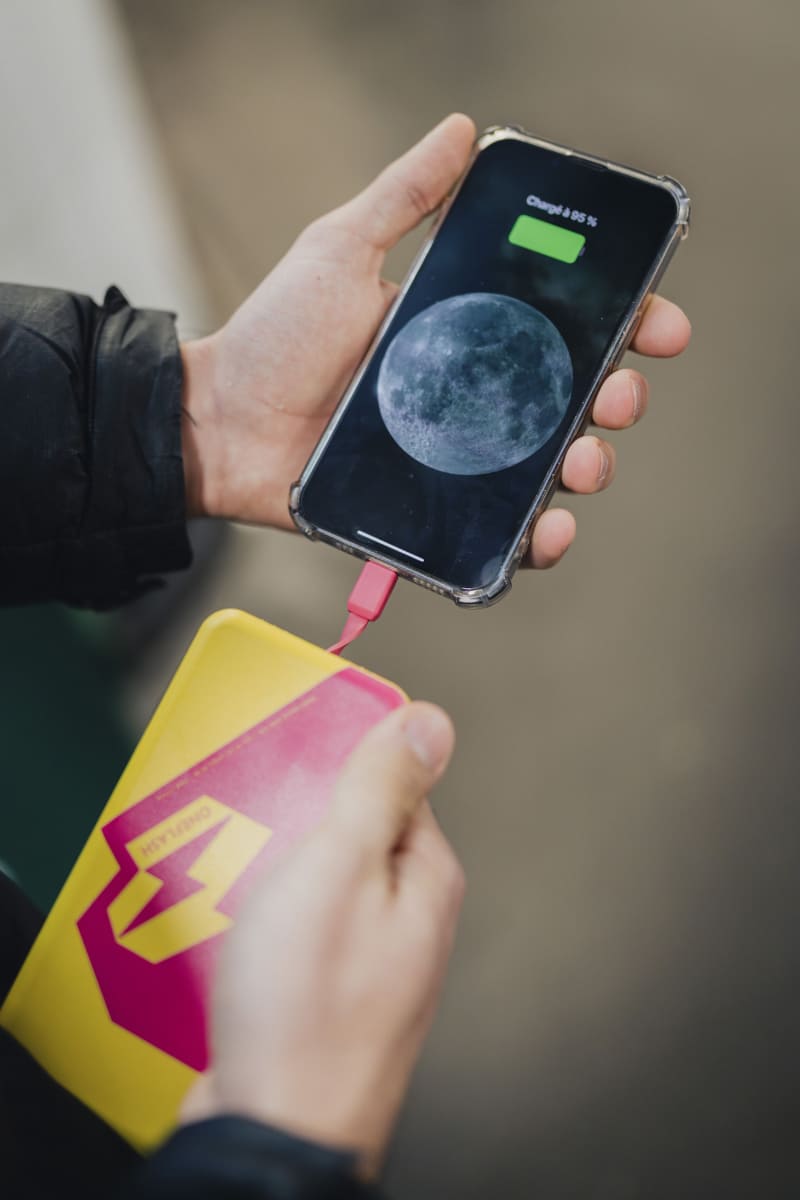
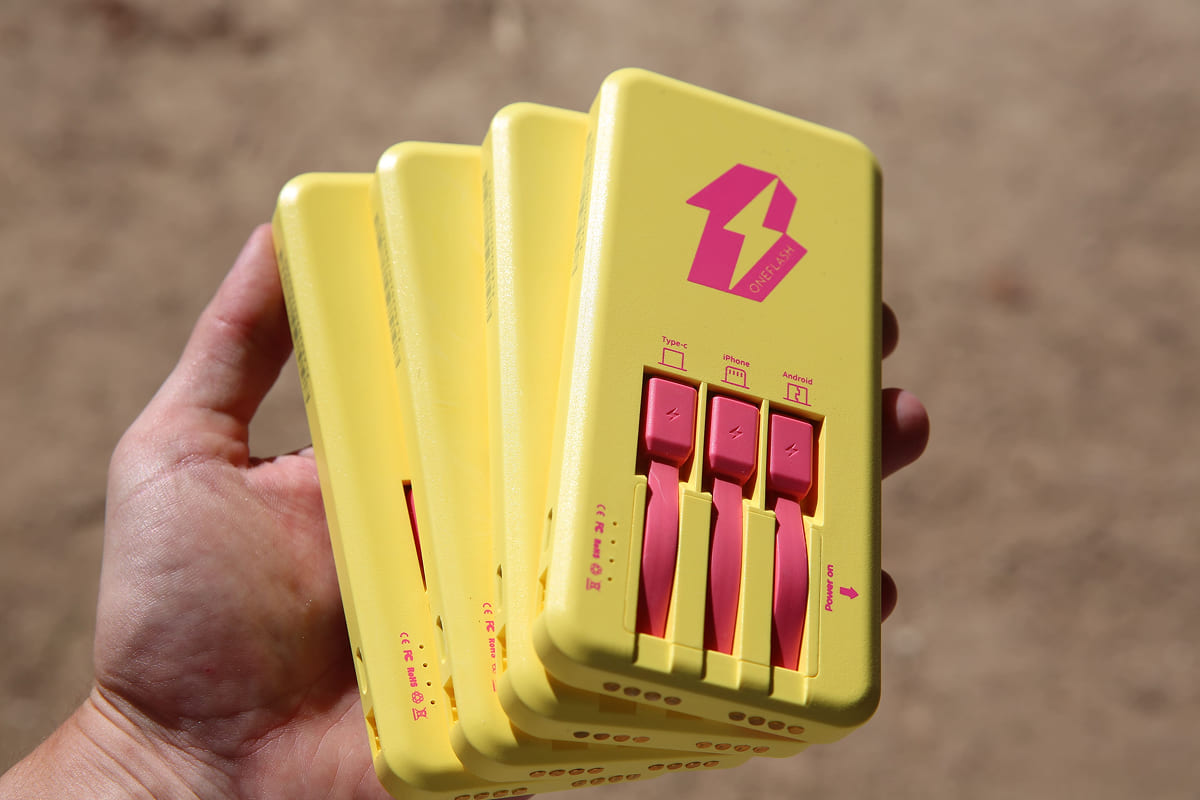
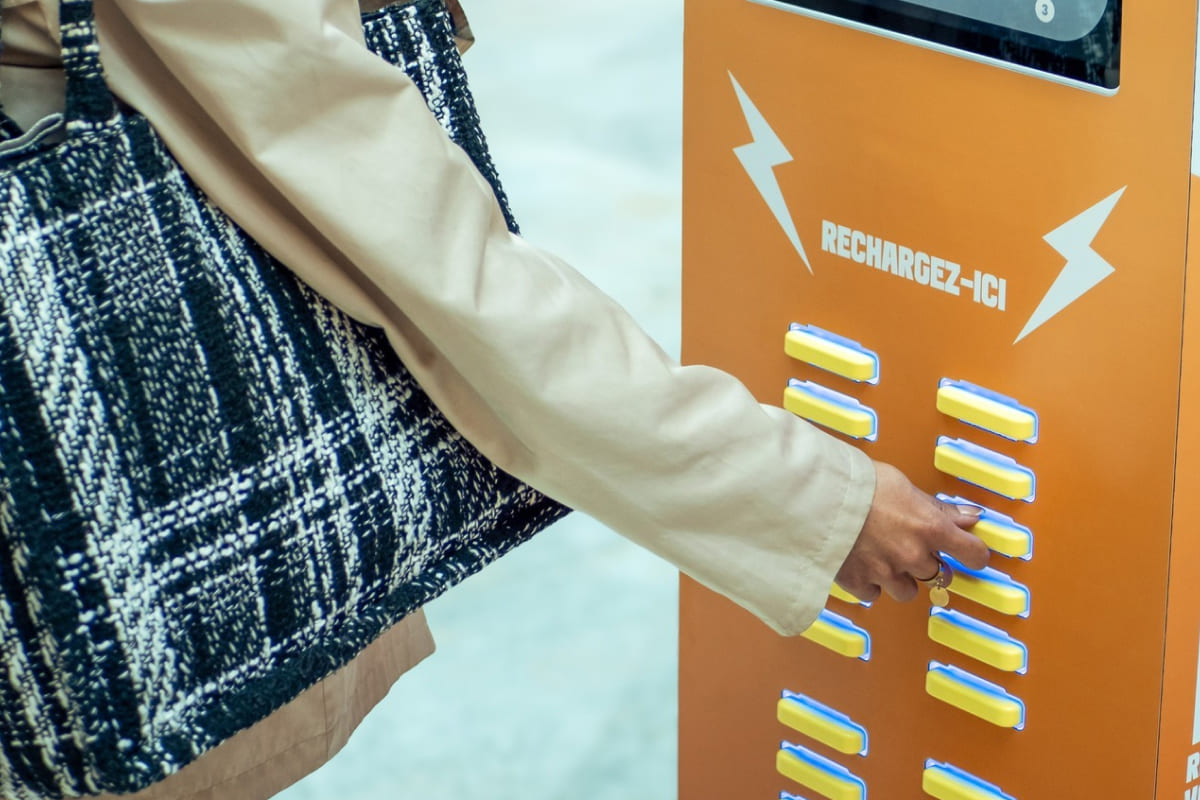
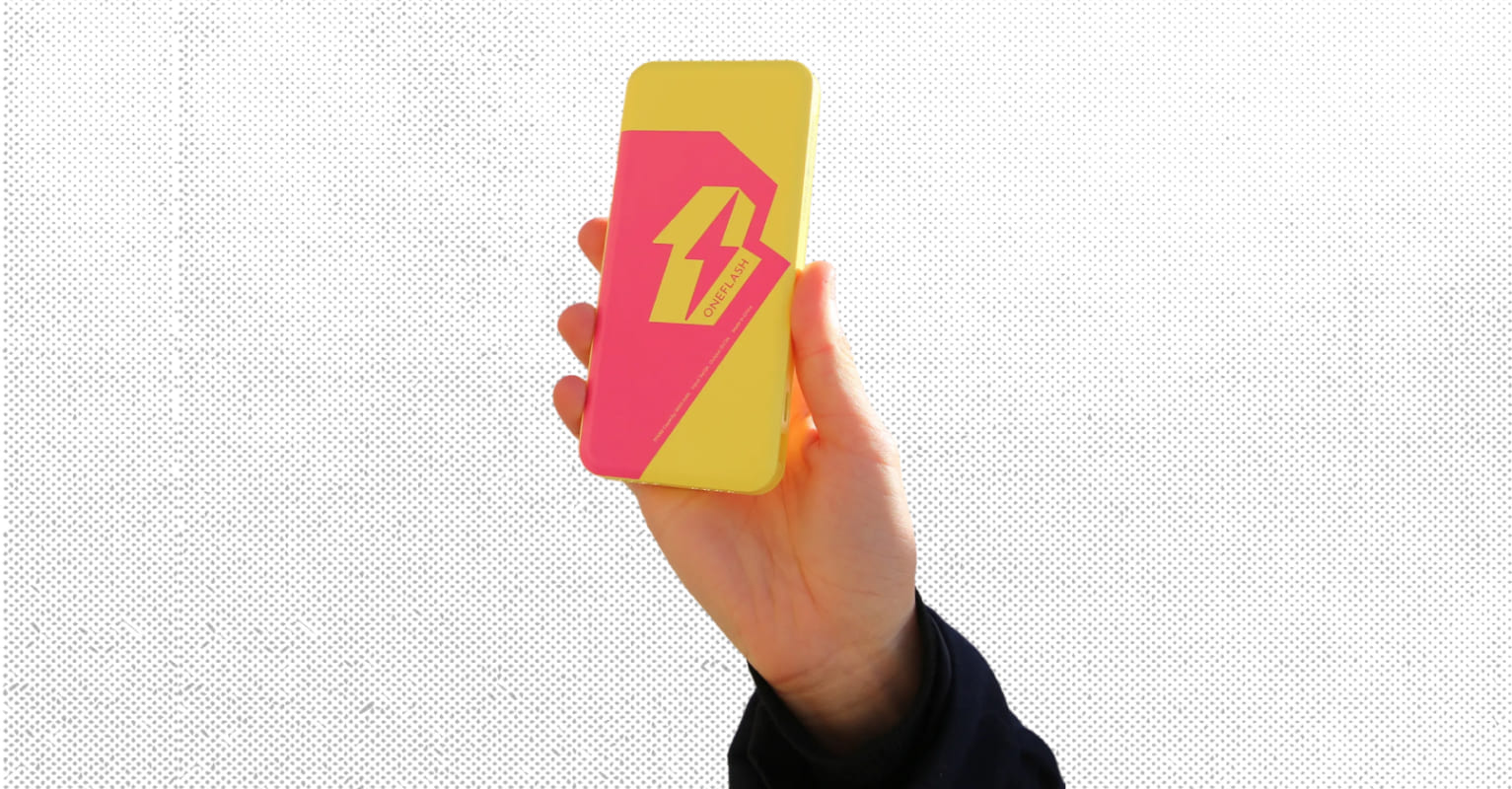
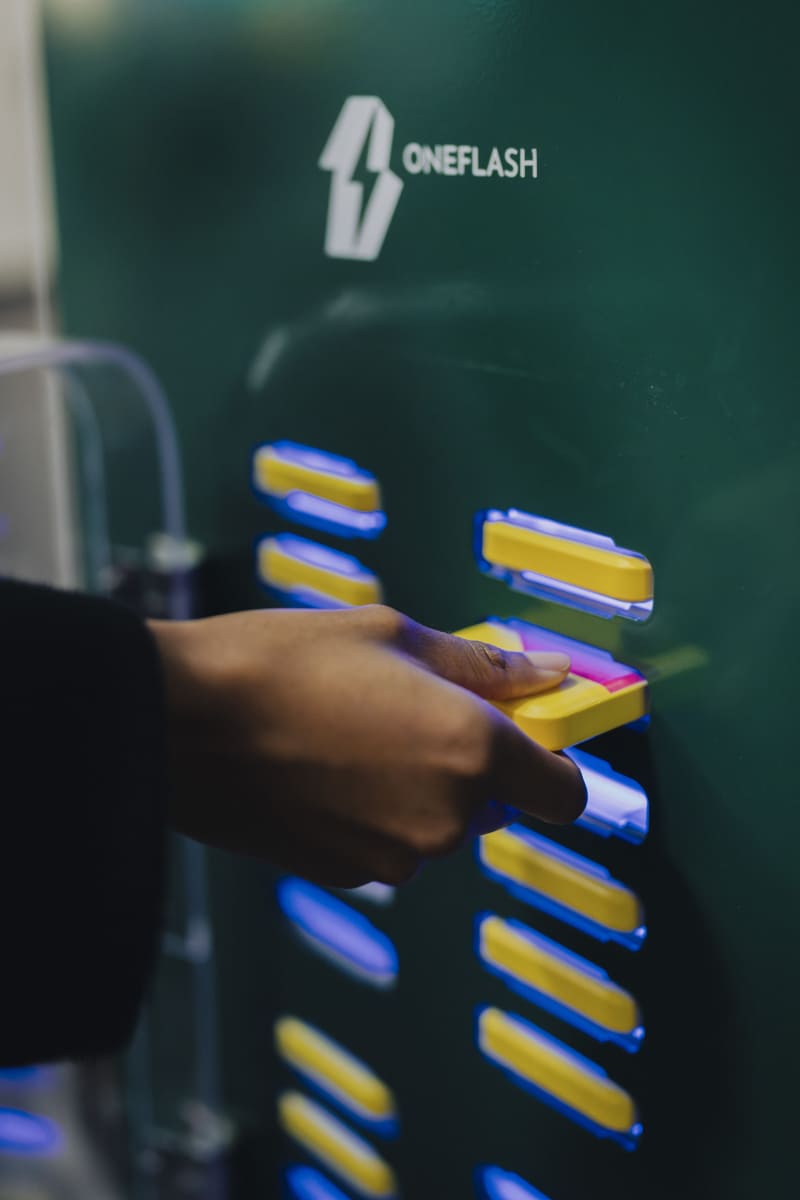
OneFlash deploys self-service power bank stations in shopping centres, retail brands, leisure venues open to the public and transport spaces. Your visitors unlock a power bank in a few seconds via a QR code, pick up a model with built-in cables compatible with most phones, then carry on with their visit while charging their phone on the move, without being stuck next to a socket.
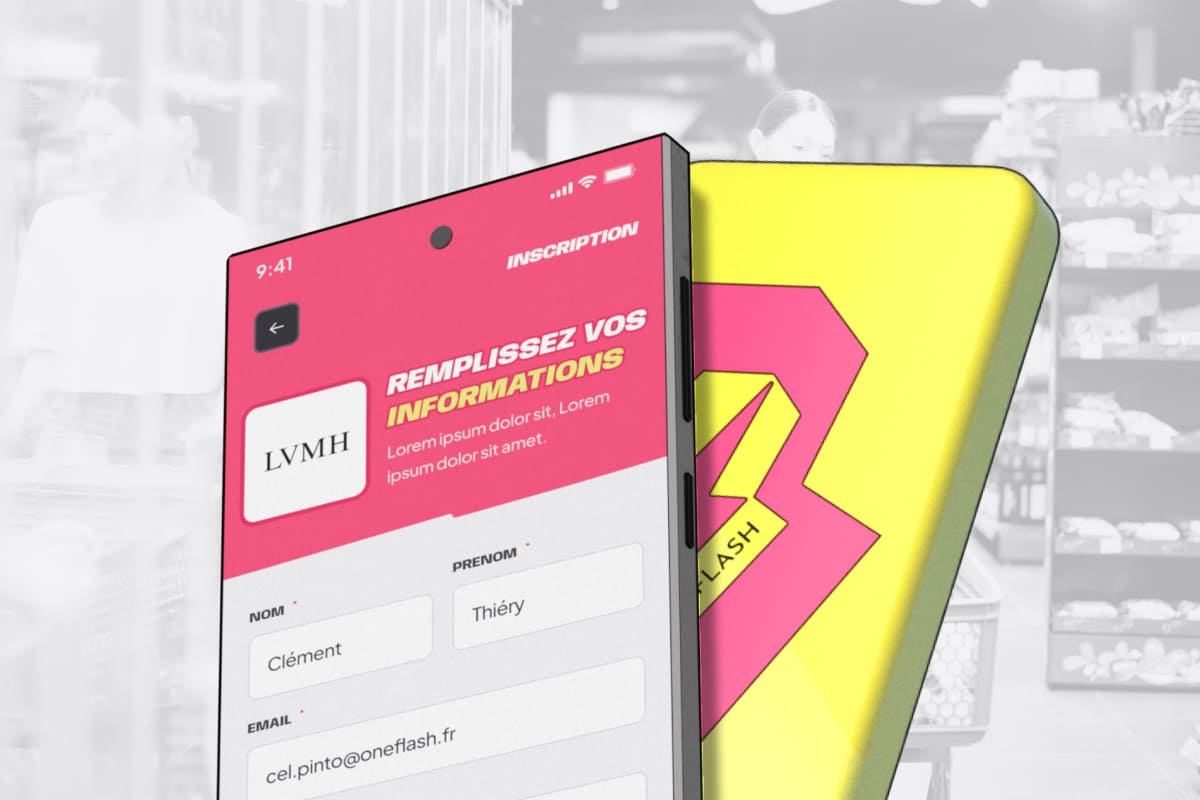
OneFlash stands out for a very B2B-oriented approach: multi-site deployment, performance tracking by point of sale, integration with your existing tools and dedicated long-term support. Where some services remain mostly focused on one-off animation, OneFlash is designed to equip and run a genuine network of points of sale. The solution now stands as the European leader in phone charging, combining customer comfort, measurable impact on your business and a showcase for your responsible commitments.
%25201.jpeg)
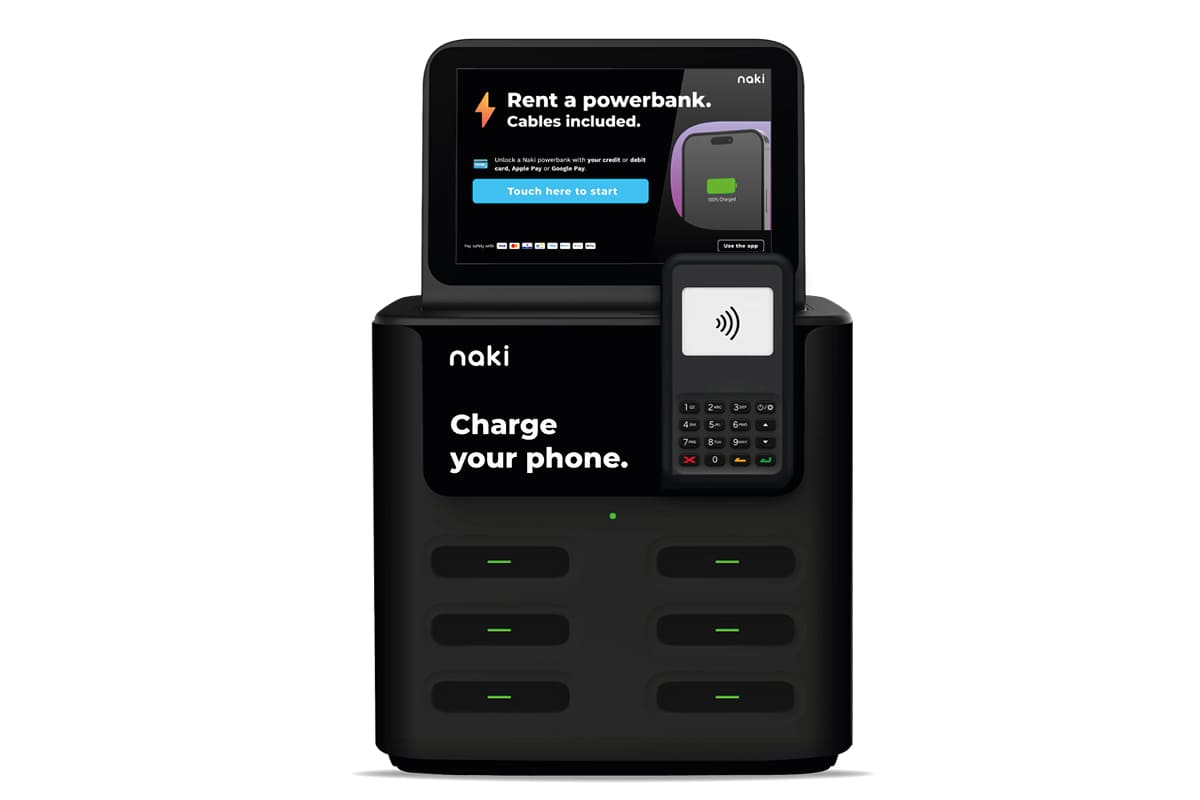
2. Naki Power: the large European network aimed at consumers
Naki Power is one of the most visible charging station networks in Europe, with stations installed in many bars. The user rents a power bank via the app, picks it up in a few seconds and can return it at another point in the network.
The model rests on pay-per-use pricing, often per minute or per time slot, which can quickly work out more expensive for a customer who keeps the power bank for a long time or uses it regularly. For a venue that wants to offer a phone charging service seen as a customer benefit, it also means the final cost often remains higher for the visitor than with models that include free minutes or are paid for directly by the retailer.
The service remains interesting if you are looking for a very consumer-oriented solution, with a network already established in several large European cities. The trade-off: more “premium” pricing for the end user and an experience a little less aligned with a service built into your brand's customer journey.
3. Nono: the power bank station as a service for large accounts
Nono also offers phone charging stations with a fairly “corporate” approach. This stance often reassures organisations looking for a provider used to the codes of large structures (processes, dedicated contacts, framed deployments). The brand highlights references such as the Caisse des Dépôts or BNP Paribas, which shows a good ability to handle large accounts and bespoke projects. This can suit perfectly when the main issue is integrating a service into an already highly regulated environment, with a fairly institutional “project” logic.
The positioning is interesting if you are looking for a solution integrated into a logic of fitting out “living spaces”. However, on the ground, some sites expect a more “experience”-oriented approach: a set-up designed for day-to-day operation, clear usage indicators and activation levers (on-site communication, scenarios, feedback collection) to turn the service into an engagement tool.
Also worth noting, the absence of an app can become a friction point: if a visitor wants to quickly locate an available charging station (before arriving or within a large site), there is no dedicated map to consult, which can limit spontaneous use.
%25201.jpeg)
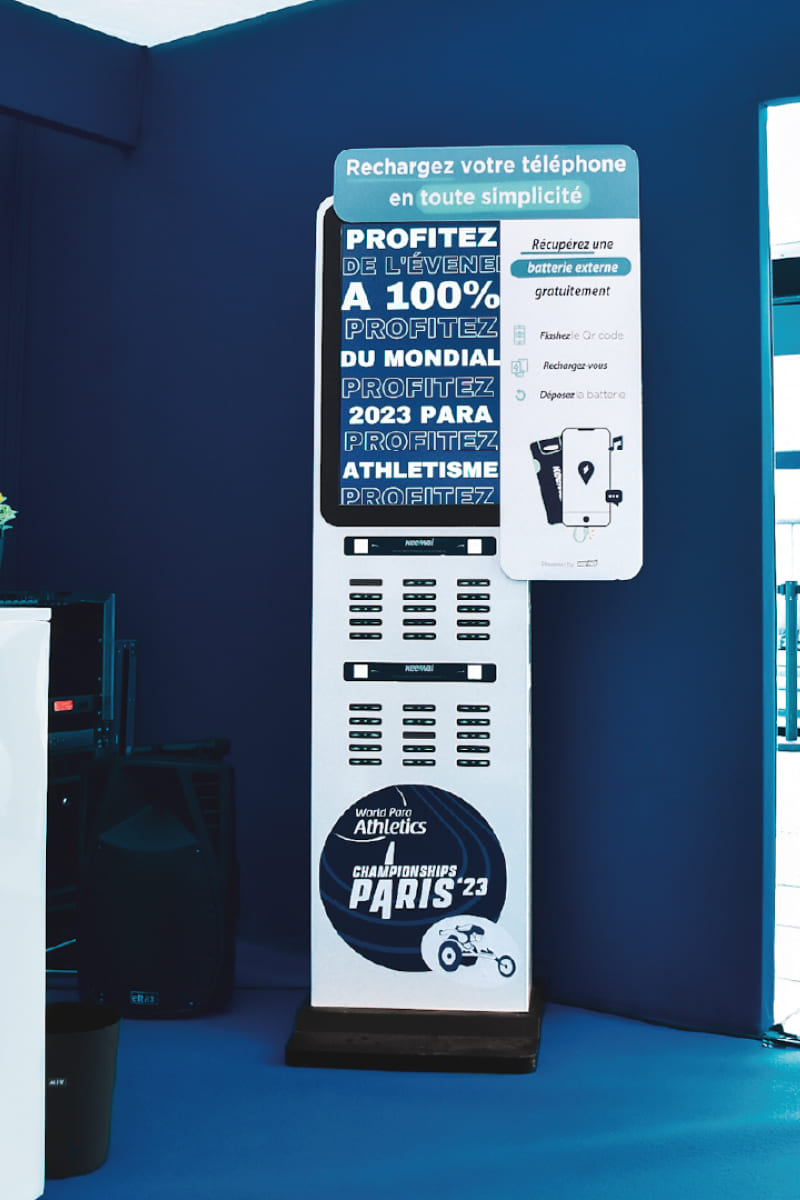
4. Keewai: power bank stations focused on experience and marketing
Keewai offers self-service power bank stations with the option of customising the phone charging stations. The power banks unlock quickly, without an app, which makes access easier for occasional visitors while leaving room for a few marketing scenarios (login page, dedicated messages). In this setting, the phone charging station also becomes a visual medium in a hall, a reception or a waiting area: it provides a service while offering a brand presence that is easy to fit into your world. It is an approach that speaks particularly to venues open to the public that want simple phone charging, with the effort focused on the look of the charging station.
The service may suit you if you are looking for a solution for targeted operations, with the possibility of collecting a little data and connecting the charging station to some tools already in place in your ecosystem (CRM, marketing tools, forms).
The trade-off: an approach mostly oriented towards design and activation, not really designed to run a large fleet of phone charging stations across a large-scale network of points of sale. Yet as soon as you talk about multi-site deployment (retail chains, shopping centres, stations, high-footfall venues), expectations change: fleet supervision, real availability of power banks, maintenance and restocking, consolidated reporting and the ability to keep an identical level of service from one site to another. In these contexts, some solutions on the market stand out less for “activation” than for their ability to industrialise self-service phone charging (centralised management, operating quality, performance tracking), even though this is a criterion that quickly becomes decisive when the goal is to make it an everyday service rather than a one-off operation.
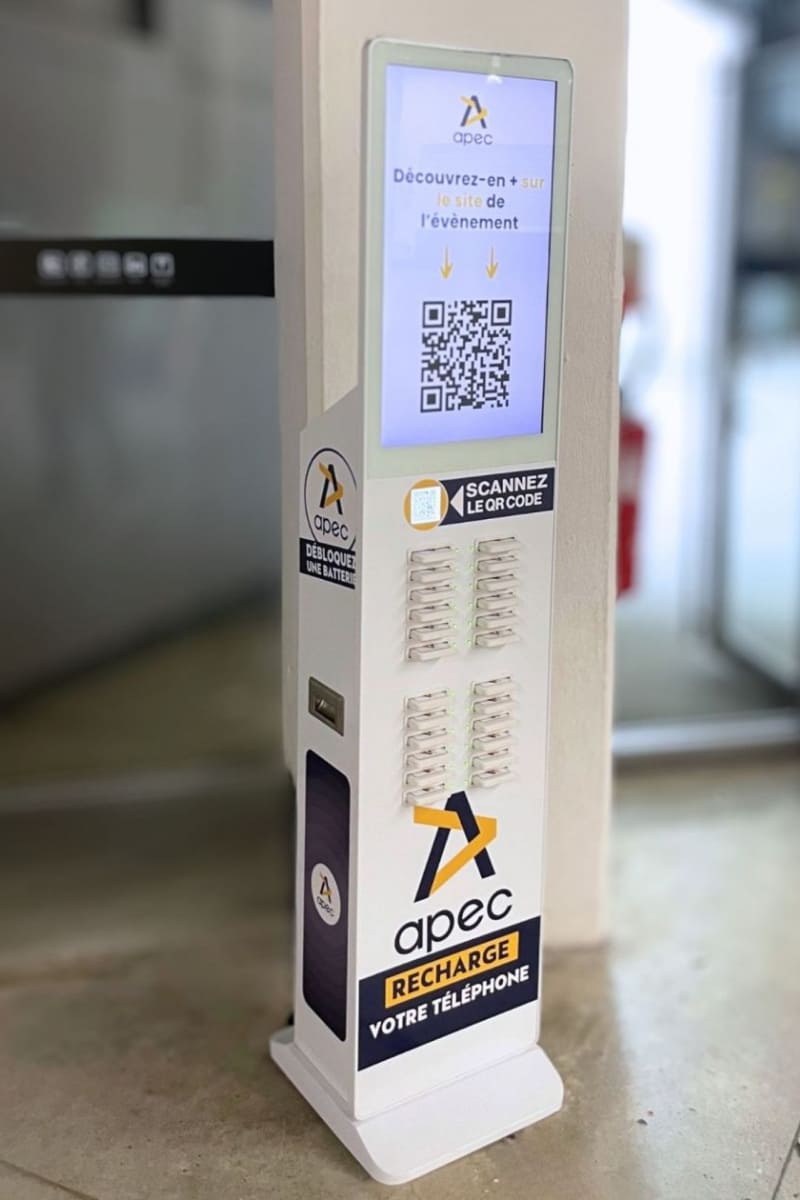
5. Plug'Heur: the power bank station serving your brand image
Plug'Heur offers self-service portable power bank stations, customisable to your venue's image. Your visitors unlock a power bank in a few seconds via a web page, with no app download, then carry on with their visit while charging their phone on the move, without being stuck next to a socket. This “direct access” approach works well when you want to maximise use: fewer steps, less hesitation, and a power bank that can be picked up quickly, even for a passing audience.
The Plug'Heur phone charging service is interesting if you want to offer extra comfort while showcasing your brand through an interface in your colours and messages built into the journey. On the other hand, this “simplicity” can also reduce the “depth” of the system in terms of management and “functional” customisation: sometimes more limited options on access rules (conditions by profile/time), on fuller journeys (several screens, segmentation, different content depending on context) or on finer measurement beyond basic usage.
In other words, the phone charging station does its job very well as an immediate service, but if your ambition is to make it a more structured lever (experience + activation + measurement), it is often these options that become decisive.
6. Peebeez and Themis: niche players and responsible positioning
Other players complete the landscape, often at a more regional scale or in specific niches:
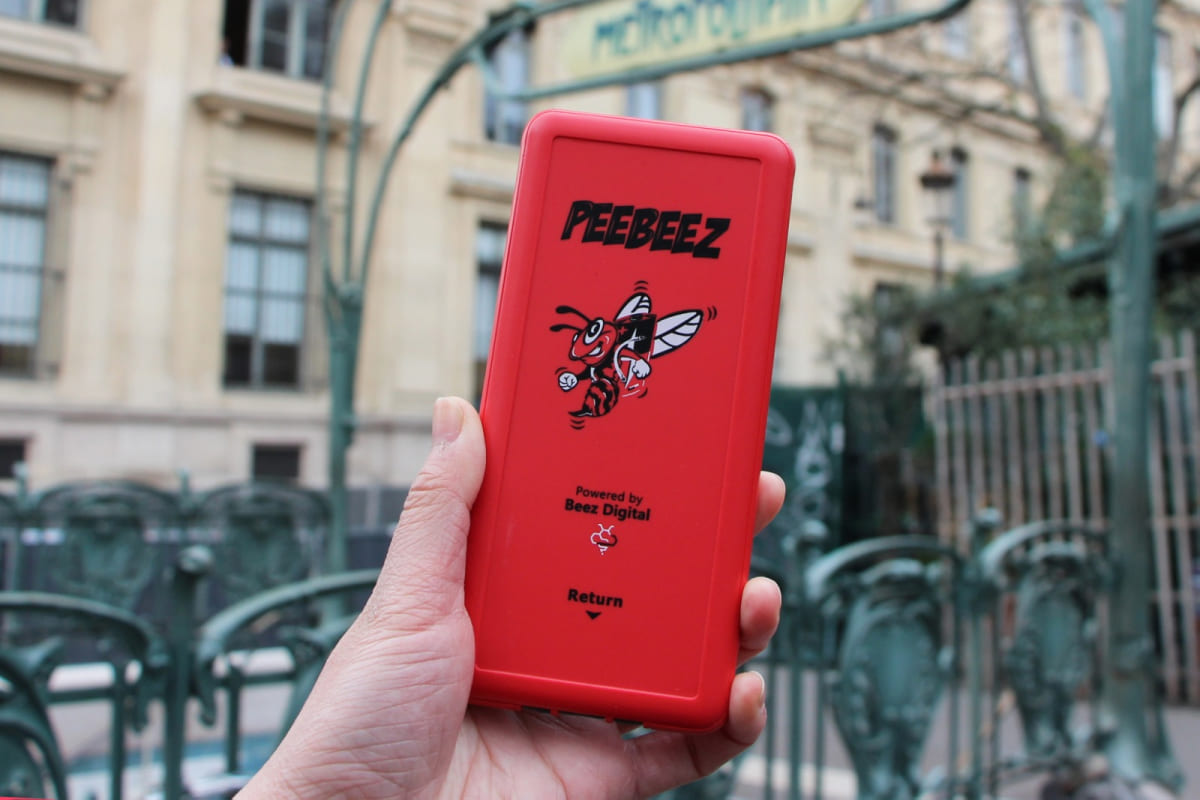
- Peebeez offers power banks for rent via a station, to be picked up and returned at partner venues, with a proximity positioning very focused on no longer leaving your phone “out of sight” on a wall socket.
- Themis is developing a responsible power bank rental service, with a message focused on energy sharing and mobility, close to the environmental concerns of young urban audiences.
These offers work well for targeted needs, but are less designed for mass deployment across a network of phone charging stations in shops or venues open to the public.
So, which is the best service for you?
If your priority is:
- to offer a modern phone charging service
- in busy venues open to the public (retail, shopping centres, leisure venues, stations)
- with a partner able to handle installation, support and multi-site deployment
general European offers like Naki or more one-off players like Peebeez or Themis meet part of the need, but not all of it.
In this context, OneFlash ticks the most boxes on the B2B side today: a network already established in France, a smooth user experience, power bank stations sized for large public venues, a flexible business model and an eco-responsible positioning that strengthens your image.
In short: if you are looking for the best portable power bank station service for your customers while maximising business impact for your brand, OneFlash stands out as the best-suited solution.
Need more to choose the right provider? Here is the complete guide to choosing.
Découvrez tout nos autres articles :
Self-service power banks: phone charging for bars and nightclubs
Standalone power bank station: phone charging at the restaurant
Customer loyalty in restaurants: bring guests back with phone charging
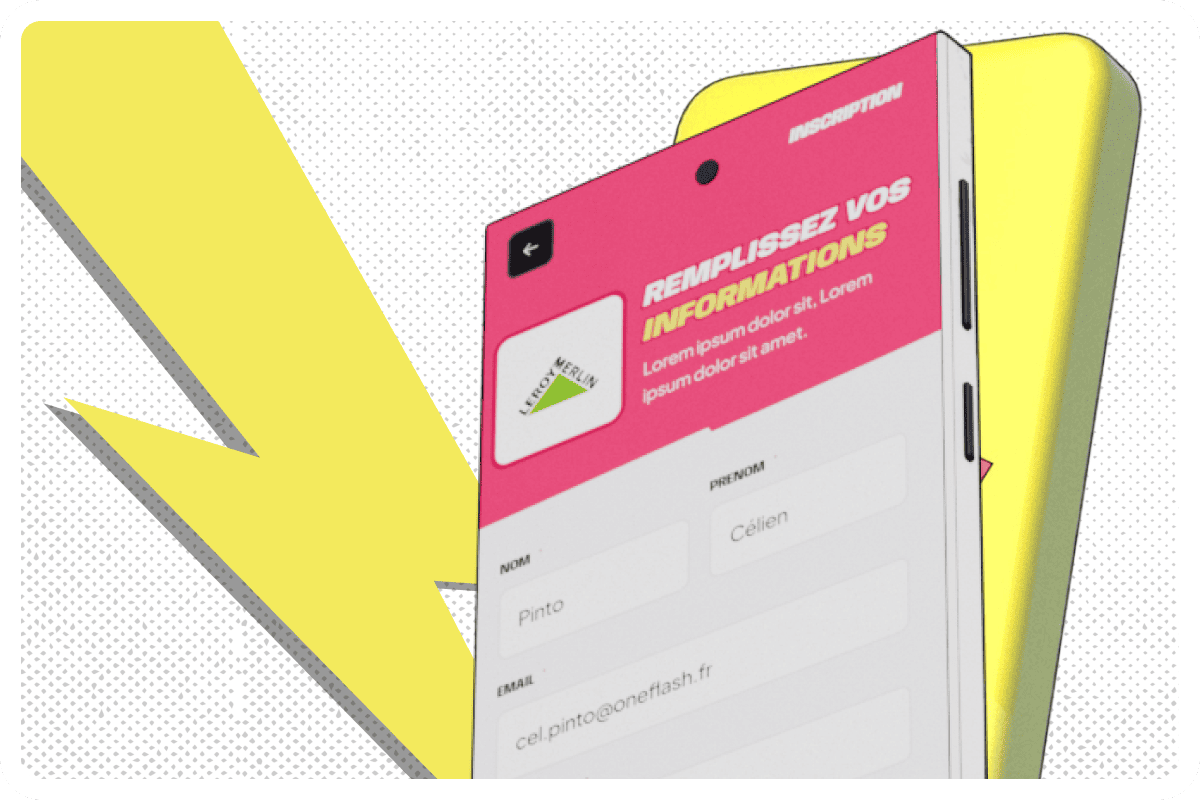
Customer knowledge: how to collect the right data
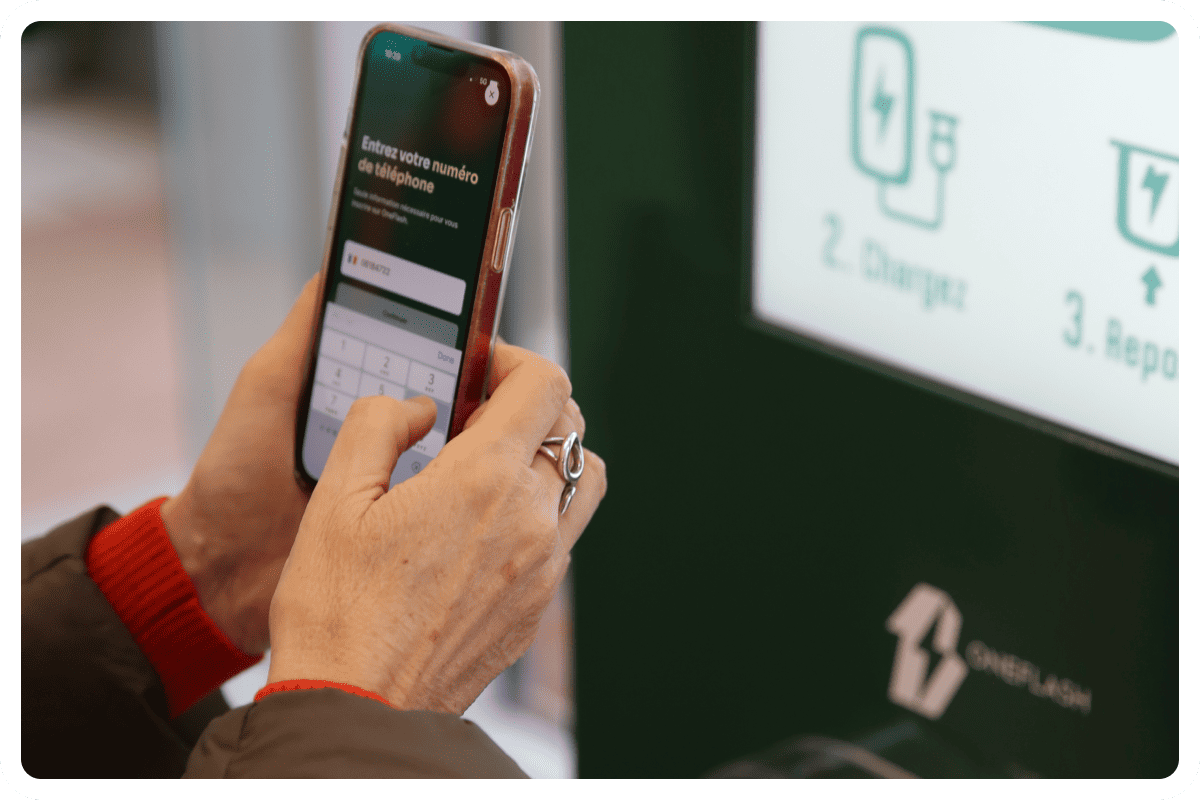
Marketing activation: turning every interaction into an engagement lever for your brand
.jpeg)
Phone lockers: the limits and the modern alternative
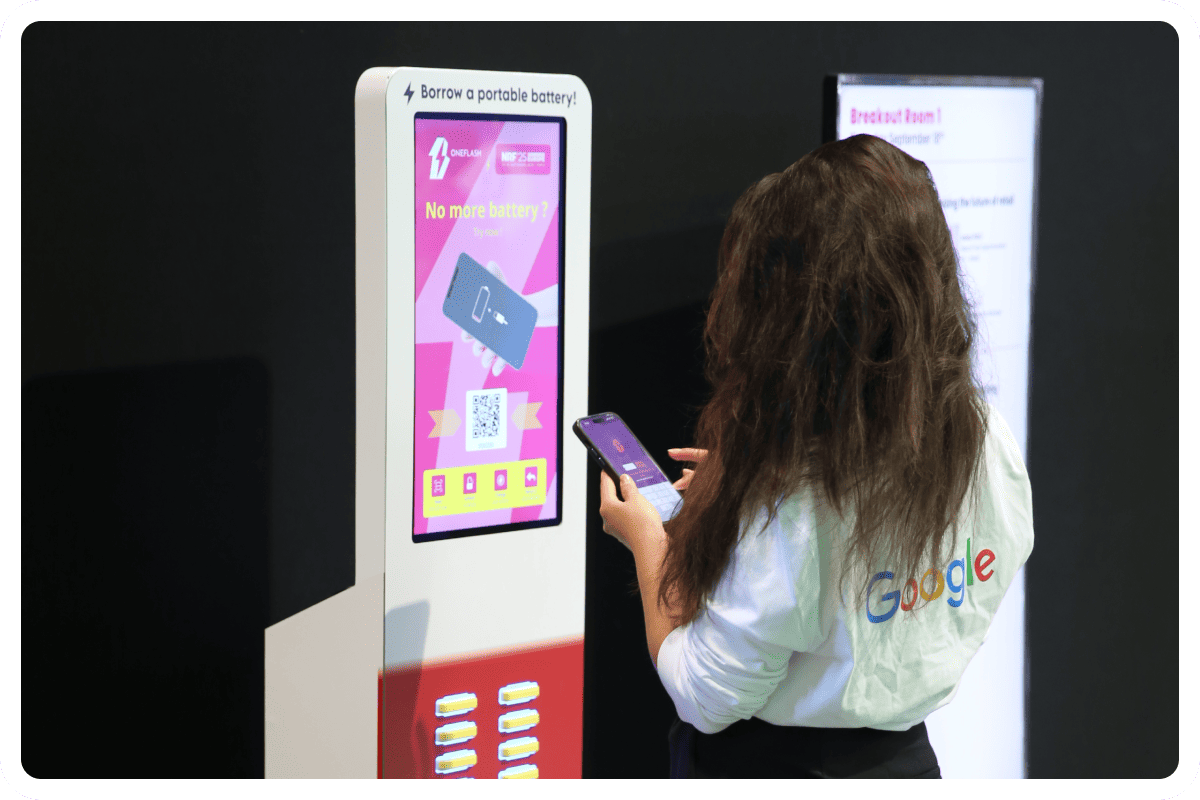
Charging stations in conference centres: equipping an event

Charging stations in theme parks: improving the visitor experience all day long
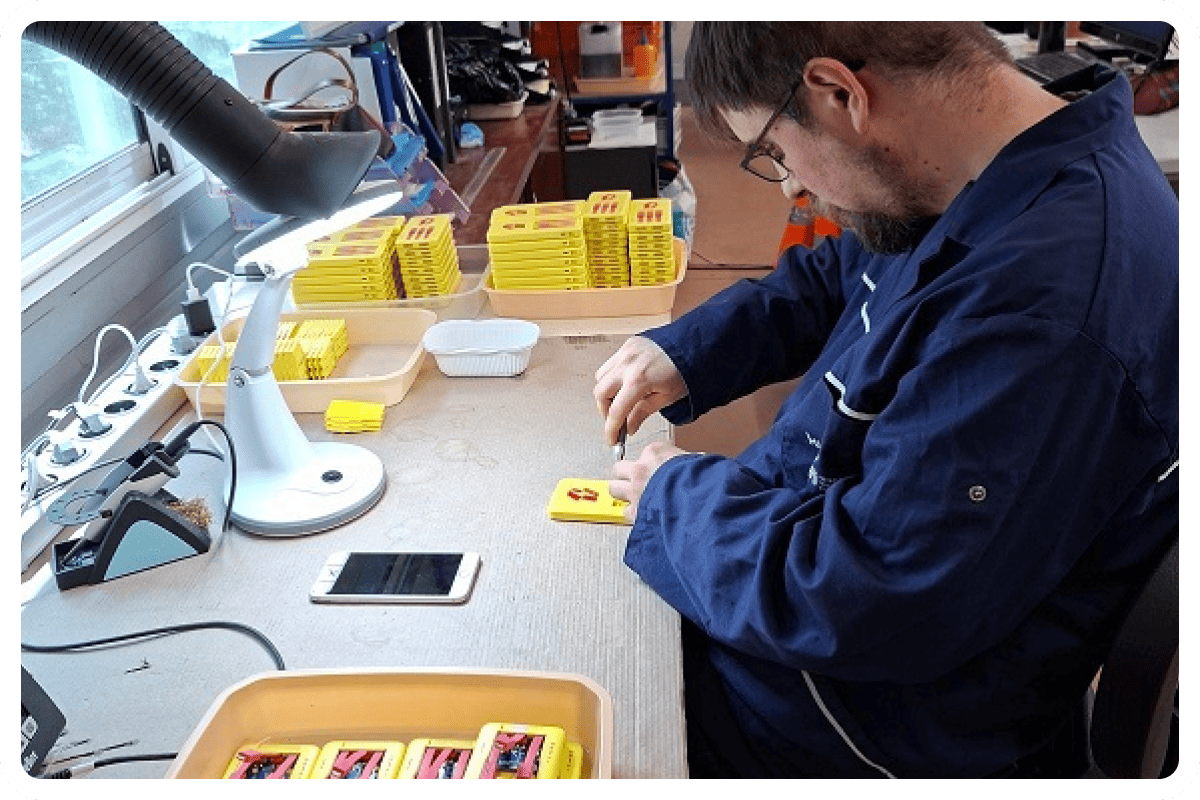
CSR approach: the mobile charging station, a concrete lever for businesses welcoming the public
Grégory Sion (Pierre & Vacances): Share Your Power - Episode 14
Sébastien Manceau (European Camping Group): Share Your Power - Episode 13
Mobile charging: every way to charge your phone easily
Dominique Thillaud (Compagnie des Alpes): Share Your Power - Episode 12
.jpeg)
Charging stations: the complete guide to choosing
Mike Hadjadj (La Retail Tech): Share Your Power - Episode 11
%2520(1).jpeg)
USB fast charging: the complete guide
Antoine de Tavernost (Auditoire): Share Your Power - Episode 10
Charging station rental: the complete guide
Power banks for mobile devices: the complete guide
Phone charging in public places: wall sockets
Ask Jamy! How does a power bank work?
In-store customer experience tools: the levers to activate

Are portable power banks dangerous?